
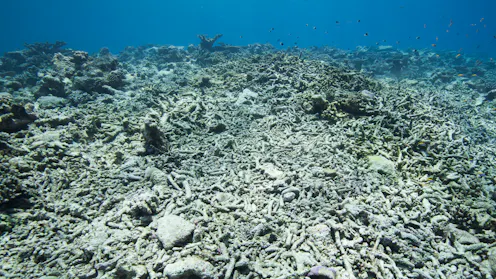
Dangerous climate tipping points will threaten food, water and coastlines. They’re irreversible and only radically accelerated climate action can stop them now.
- Associate professor, Global Change Institute, University of the Witwatersrand
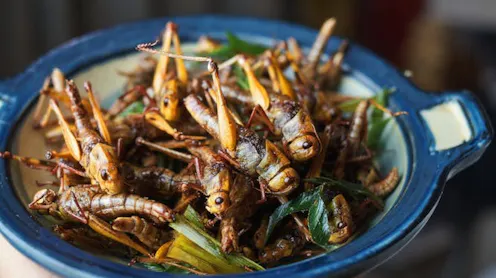
Les aliments traditionnels d’Afrique pourraient détenir la clé d’un avenir plus sain et plus durable si nous faisons le choix de les valoriser.
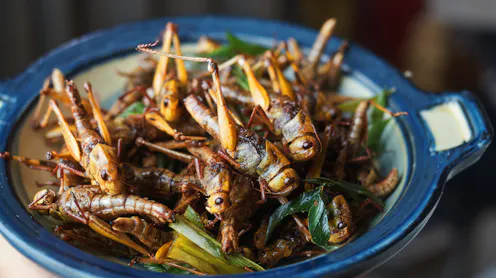
Africa’s indigenous foods may hold the key to a healthier, more sustainable future – if we choose to value them.
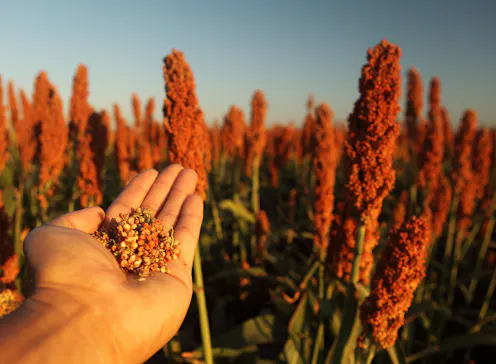
Known as ting or amazimba, indigenous sorghum is resilient and rich in cultural and health benefits – yet crops are declining.
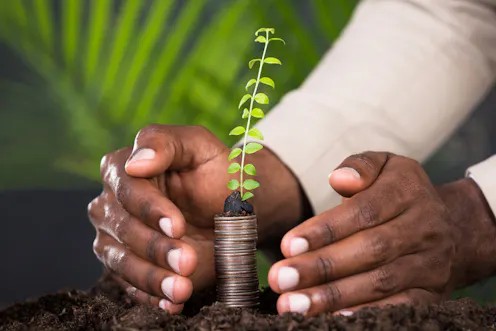
What are the visions that reflect the diverse values that nature holds for people?
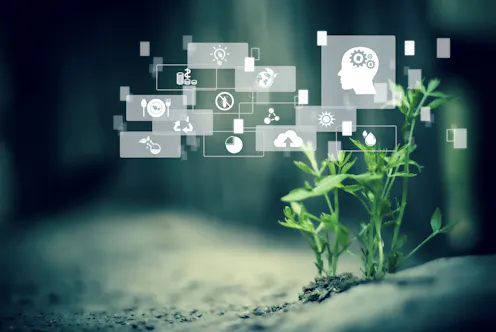
Achieving a radically different tomorrow will require more than a purely technocratic approach. So now, imagine you are in the year 2050 …
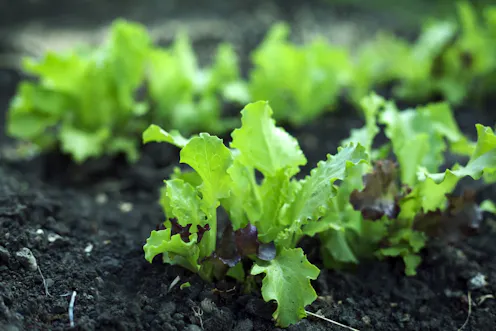
CC BY-NC-ND6.4 MB (download)
Developing countries present an opportunity for agroecological innovations to help small-scale farmers.
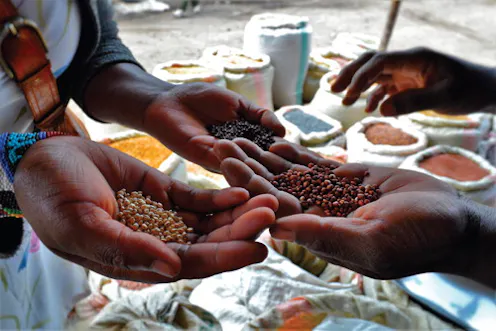
Developing countries could leapfrog industrial agriculture systems by moving to agroecology.

A synthesis centre in Africa would massively improve the ability of researchers to understand complex scientific problems.
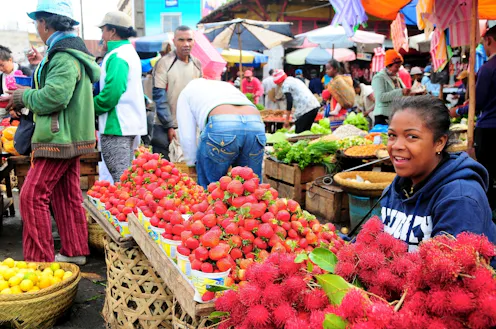
Global food system issues can be traced to colonial history. It’s time food production became more sustainable so that it meets the needs of people - equally.
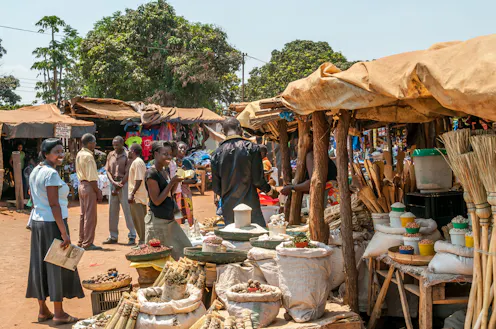
The Anthropocene is often associated with problems such as climate change and inequality. But there is also hope that it can come with positive change for the benefit of people.
Contact Laura for
- General
- Media request
- Speaking request
- Consulting / Advising
- Research collaboration
- Research supervision
- Location: Johannesburg, South Africa
- Website
- X (formerly Twitter): @laurap18
- Article Feed
- ORCID
- Joined
