

hMPV tends to hit hardest in young children, older adults and people with weakened immune systems. A virologist explains.
- Associate Professor and Research Leader in Virology and Infectious Disease, Griffith University
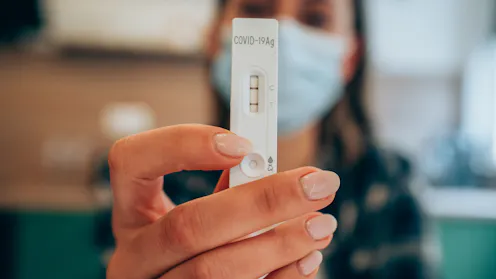
Early signs suggest NB.1.8.1 may be more transmissible than earlier variants, likely due to mutations in the spike protein. But there’s no evidence it’s more severe.
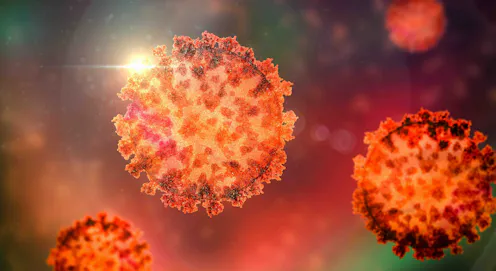
XEC is a recombinant variant, meaning it’s a hybrid of two previously existing variants. Genomic data suggests it’s making up around 5% of cases in Australia – but it may grow.
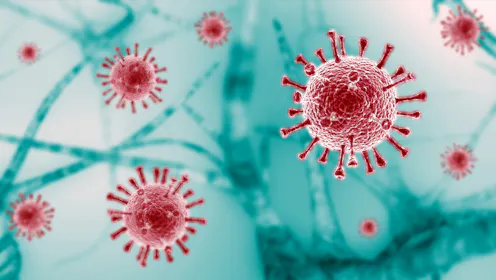
The so-called ‘FLiRT’ variants are dominant in the US and appear to be gaining traction in Australia. Here’s the information we have so far.

While some lucky people believe they’ve never had COVID, many are facing their second, third or even fourth infection. Here’s what the evidence shows.

It can be difficult to an appointment to see your GP. So when should you make the effort to see a GP for a prescription for influenza antivirals? And how effective are they?
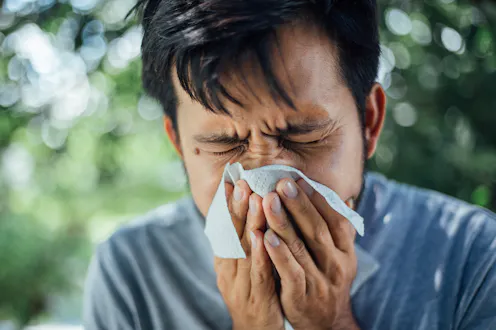
COVID, the flu and RSV spread from person to person through respiratory droplets when someone coughs, sneezes or talks. Here’s how our body fights them off.

Here’s why it’s taken so long to develop a vaccine for respiratory syncytial virus and what we can expect next.

Researchers are revisiting old drugs and designing new ones to prevent and treat COVID.

New research adds to scientists’ understanding of how invading pathogens can change the way our genes switch on and off.

Evidence is growing there are changes to your immune system that may put you at risk of other infectious diseases.

After taking Paxlovid for COVID and appearing to recover, some people – including US President Joe Biden – continue to test positive. What’s going on?

You know the symptoms because you’ve already had COVID once. So what can you expect when you’re reinfected? And why does it happen?
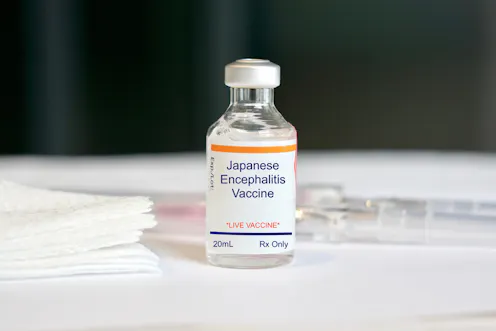
Until now, access to the vaccines has been limited. But that’s expected to change.

Delta is more contagious and appears to be more deadly. And it’s more likely to land those infected in hospital and intensive care. Here’s what the latest evidence says about the dominant variant.

At the beginning of 2020, most people hadn’t used the word ‘pandemic’ before. Now it’s time to understand the term ‘endemic’ and find out what to expect when COVID changes shape.
People who are vaccinated and still contract COVID-19 are less likely to develop severe symptoms, be hospitalised, or die from it.

Data from the UK, where the Delta variant is dominant, suggest many people with COVID-19 are experiencing cold-like symptoms such as a runny nose and a sore throat.
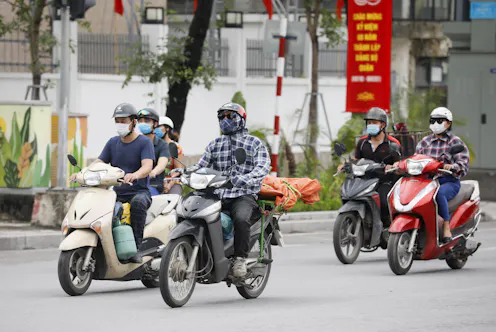
We recently heard reports of a new and dangerous ‘hybrid’ variant circulating in Vietnam. There is such as a thing as a hybrid viral variant — but this doesn’t appear to be it.
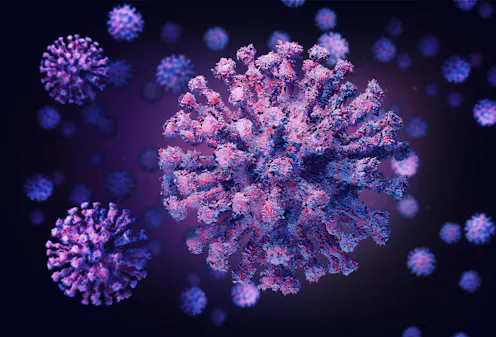
In the context of COVID-19, we’re hearing about new mutations, strains and variants all the time. It’s no wonder it can all get a bit confusing.

It’s not only shedding and reinfection which are different — there are actually two types of viral shedding.

The loss of the simple act of hugging has taken a big emotional toll for many people during the pandemic.

The evidence about how COVID spreads, taken with the lack of transmission in Victoria, is cause for a rethink. A sensible approach may be to keep masks mandatory indoors – but to relax the rules outside.
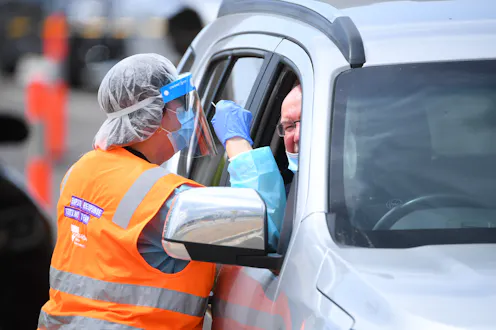
A new test developed in Australia will reportedly be able to tell us whether someone has a high ‘viral load’. But that doesn’t automatically make them a ‘superspreader’.

We still don’t know how long the coronavirus lasts on surfaces in real-world conditions, such as on objects in the home, at work or in the supermarket.
Contact Lara for
- General
- Media request
- Speaking request
- Consulting / Advising
- Research collaboration
- Research supervision
- Article Feed
- ORCID
- Joined
