
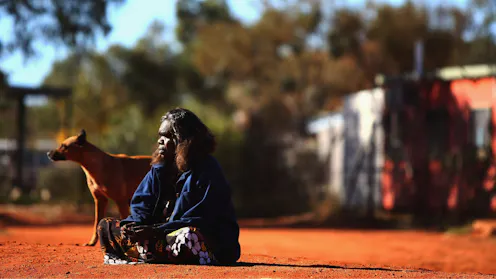
In inquiries and reviews, governments endlessly ask Indigenous communities what should be done, but rarely act on it. It’s time that changed.
- Director of Monash Indigenous Studies Centre, Chief Investigator for the Australian Research Council Centre of Excellence for the Elimination of Violence against Women (CEVAW), School of Philosophical, Historical & International Studies, School of Social Sciences (SOSS), Monash University

Latest data show First Nations women are much more likely to be killed than non-Indigenous women. It demands action.
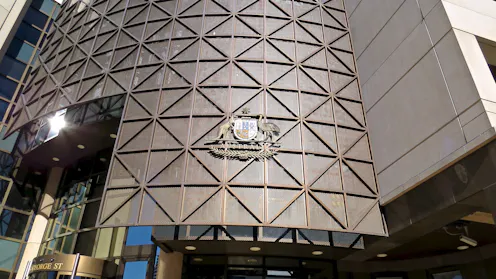
Distrust, systemic racism and fear all drive First Nations families away from using the court.
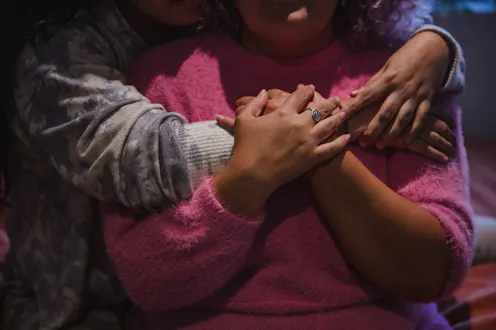
Two inquiries of recent times came with myriad recommendations to save Indigenous lives from domestic violence, but few have been acted upon.
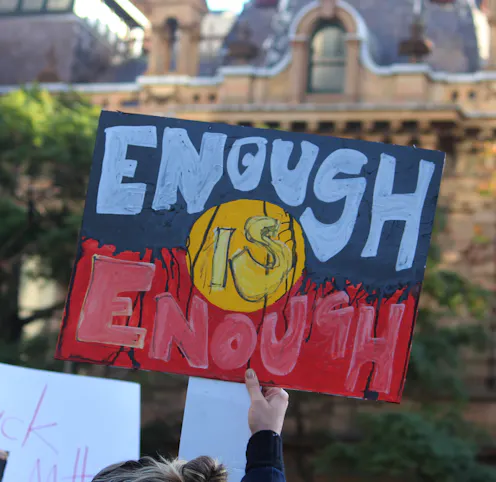
First Nations women are 32 times more likely to be hospitalised as a result of domestic violence than non-Indigenous women. We need to put Indigenous women at the centre of the discussion.

A royal commission into sexual abuse in Aboriginal communities is not the way to address abuse against Aboriginal children. Indigenous-led solutions are needed.
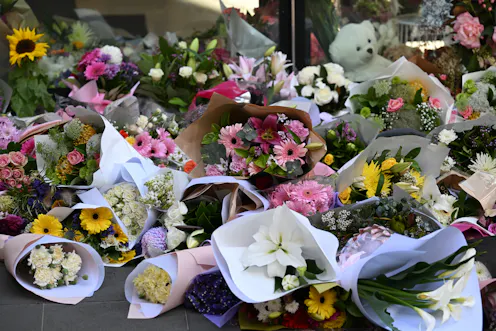
While it can feel like little progress is being made to stop women being killed by their partners or ex-partners, the data show a steady decline in recent years.
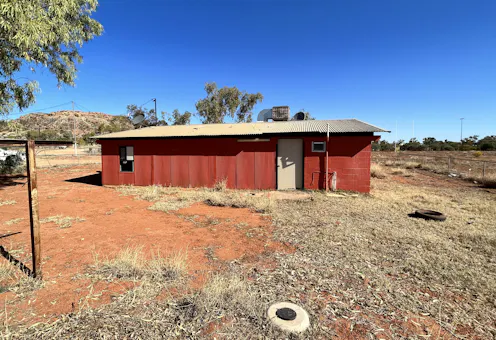
Last week, the High Court ruled the community of Santa Teresa could be compensated for the “distress and disappointment” caused by their poor housing. So how can such housing be better managed?
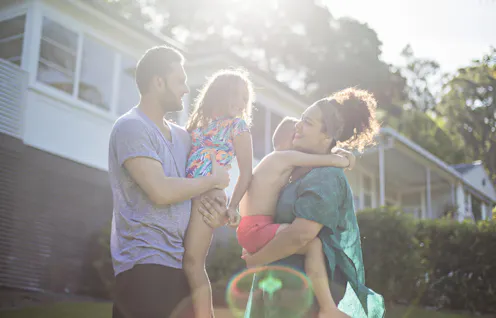
New research shows keeping First Nations families together is better for the children’s wellbeing. How can First Nations families be better supported to achieve this?

New research has investigated the way police respond to intimate partner violence against First Nations women.
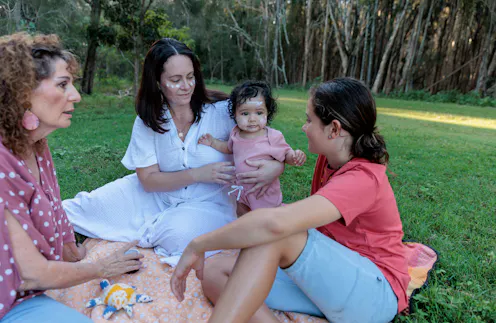
The ten-year National Plan to End Violence Against Women and Children is proposing to align with Closing the Gap to address First Nations violence. This could work, but there are limitations.
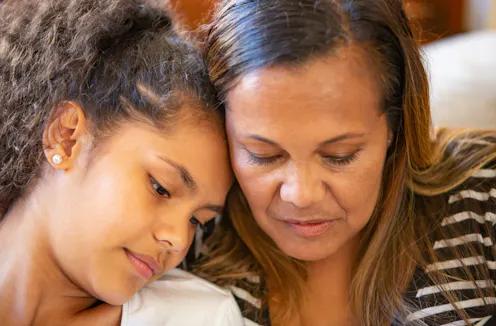
Last week, the Senate inquiry into missing and murdered Indigenous women and children found Indigenous women are eight times more likely to be murdered. What needs to happen?
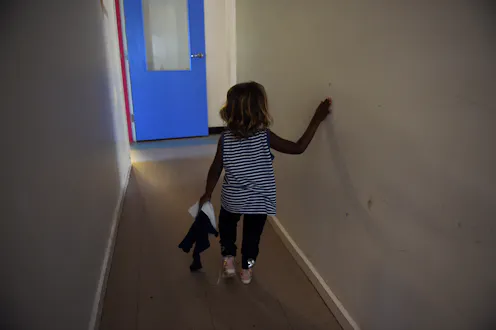
Indigenous children are admitted to out-of-home care at 11 times the rate for non-Indigenous children. The lack of safe housing for mothers fleeing family violence is a key factor.

Was academic Marcia Langton right about the rate of violence against Indigenous women?
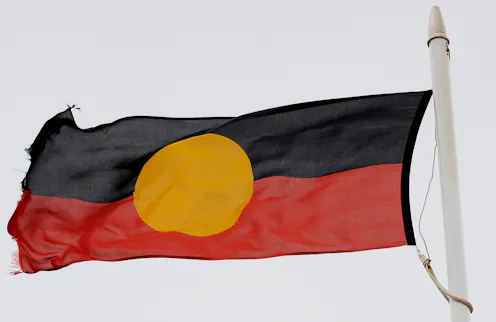
Political parties should commit to supporting the evidence-based recommendations of decades worth of reports into family violence.
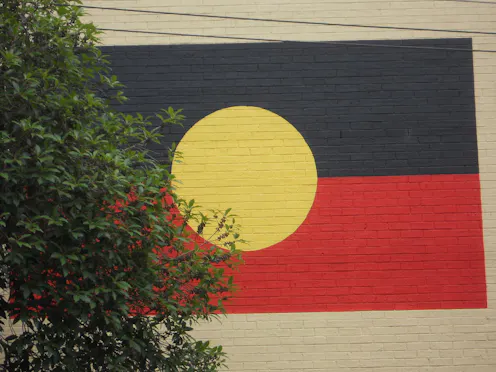
Mainstream family violence services must also become culturally sensitive and responsive so they too can provide services to Indigenous community members.
Contact Kyllie for
- General
- Media request
- Speaking request
- Consulting / Advising
- Research collaboration
- Research supervision
- Location: Sydney, Australia
- Website
- LinkedIn: www.linkedin.com/in/kyllie-cripps-b47998103
- X (formerly Twitter): @CrippsKyllie
- Article Feed
- ORCID
- Joined
