
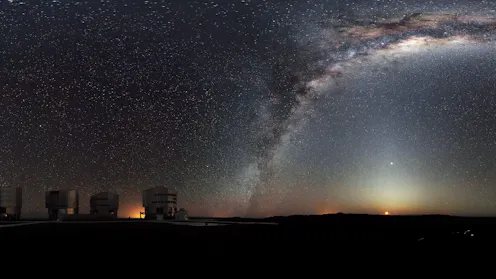
A program cut has Australian astronomers up in arms – but it points at much bigger problems with national research funding.
- Professorial fellow, Flinders University
- Visiting Fellow, National Centre for the Public Awareness of Science, Australian National University

The University of Melbourne Vice-Chancellor, who has died aged 52, was driven by a deep love of science and a desire to safeguard the planet’s future.

As the US cuts science funding and international cooperation, Australia and other countries see a chance to capitalise on this American brain drain.
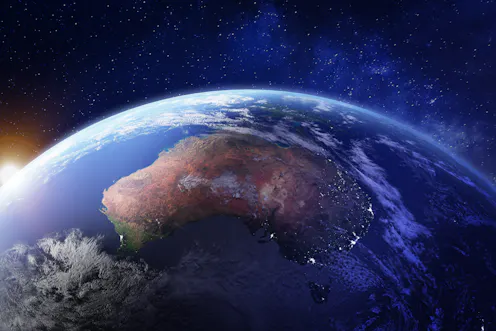
More funding and more diversity in STEM are crucial for turning the ambitious goals of the national science statement into a reality.
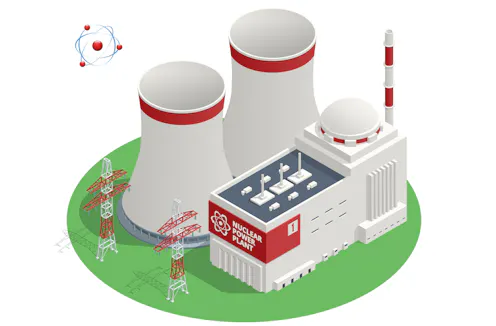
Small modular reactors promise to make nuclear power cheaper and safer. But our new report shows they’re still a long way off.
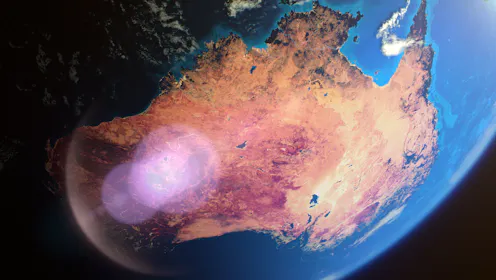
If we’re going to prime a future-ready Australia, we need more research and development funding, and a diverse, highly skilled workforce. Are this year’s commitments in the right places?

We’ve wasted a lot of time delaying climate action. As the damage becomes ever clearer, it’s time to accelerate the transition.

Commitments have been made to cybersecurity, defence and certain gaps in STEM education and workforce – but much remains to be seen this year once we review the national priorities.
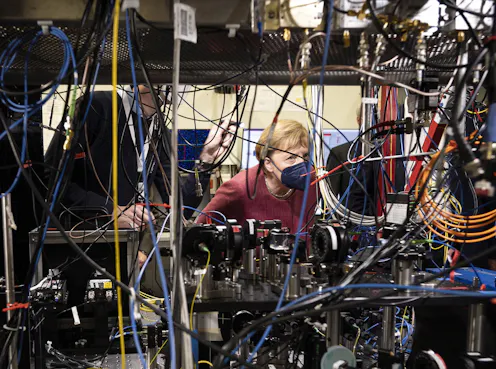
Only 7% of Australia’s federal MPs have backgrounds in science. What would it look like if they were a majority?
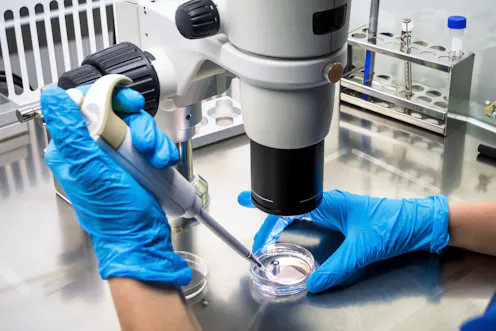
Australia’s research workforce will be severely impacted by the pandemic, with the effects likely to be felt for years, if not decades.
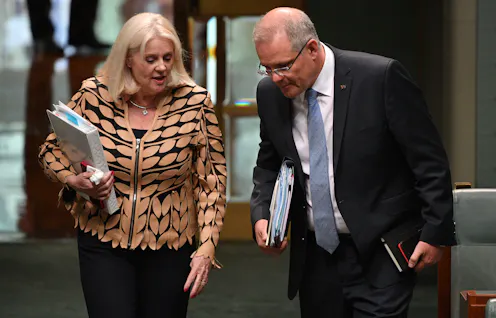
We’ve had ten federal ministers with titular responsibility for science since 2007 – five under the coalition and five under Labor. That variation and a lack of consistent vision has an impact.
Contact Kylie for
- General
- Media request
- Speaking request
- Consulting / Advising
- Research collaboration
- Research supervision
- Location: Canberra, Australia
- Website
- LinkedIn: kylieawalker
- Article Feed
- Joined

