
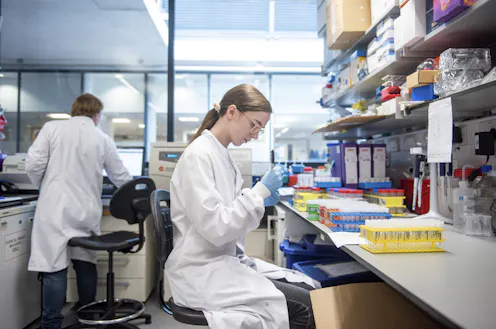
The development of COVID vaccines has already been explosive. There are more innovations on the way.
- Vice-Chancellor's Research Fellow, School of Health and Biomedical Sciences, RMIT University
A medida que avanza la vacunación en todo el mundo, los datos que van apareciendo muestran que las personas inmunodeprimidas no están necesariamente tan bien protegidas por las dos primeras dosis.
As we continue to roll out COVID-19 vaccines around the world, we’re learning people who are immunocompromised aren’t necessarily protected as well from the first two doses.
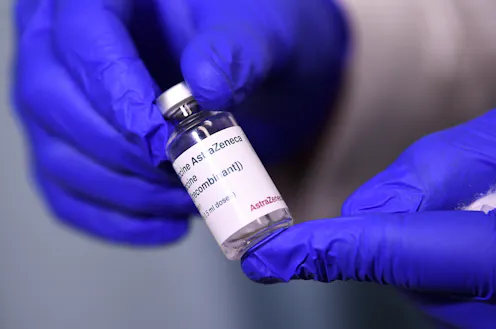
The infection of a Victorian aged-worker who had received their first COVID vaccine dose isn’t completely surprising. We need two doses for optimal protection.
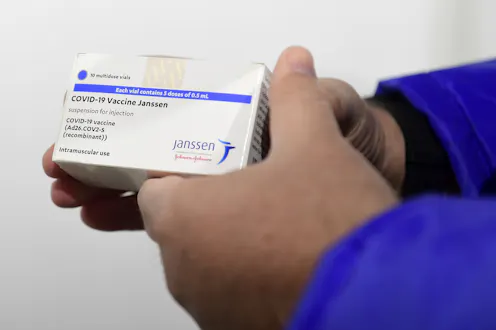
If one adenoviral vaccine is linked with blood clots, it doesn’t mean all vaccines in this family will have that same effect. But it’s definitely worth health authorities assessing the data.
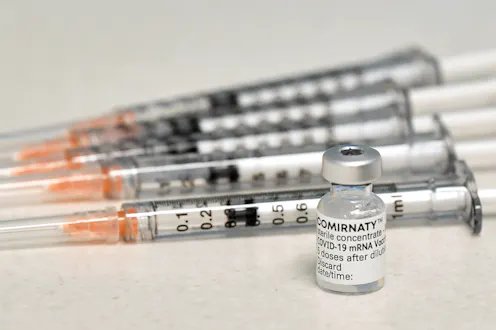
Giving smaller vaccine doses in multiple shots is often more effective than a larger single dose.
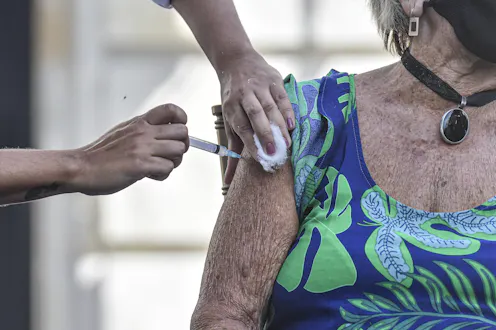
A recommendation from a German vaccine advisory body not to give the AstraZeneca vaccine to people aged over 65 has caused concern. But we should interpret this advice with caution.
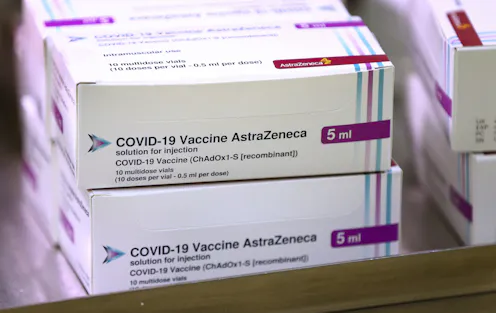
The best approach for protecting everyone’s health will require us to provide different vaccines to different people according to need and availability.
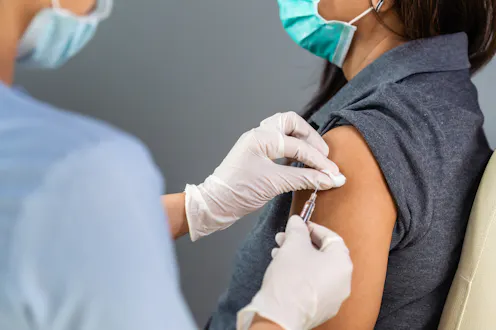
Pfizer and BioNTech have announced 95% efficacy for their mRNA vaccine, having met the final target they need to before seeking regulatory approval.
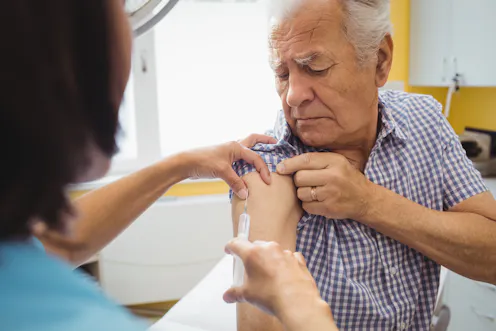
Distributing a vaccine is a bit like boarding a plane — we can’t all board at the same time. So who gets priority? There are a few reasons we should consider vaccinating older people first.
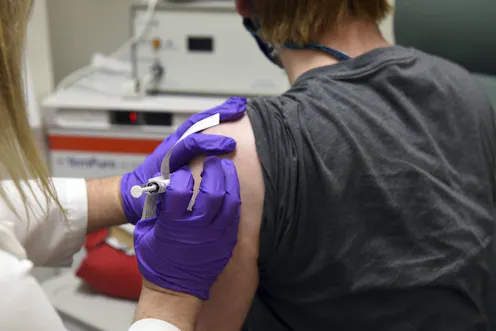
Tidak jelas berapa lama perlindungan akan bertahan, karena penelitian ini baru berlangsung selama tiga bulan.
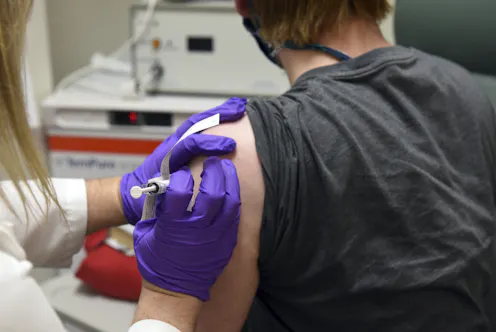
Los primeros análisis sugieren que esta vacuna tiene una eficacia de más del 90%. De tal modo que si se vacunara a diez personas que se iban a contagiar de covid-19, sólo una enfermaría.
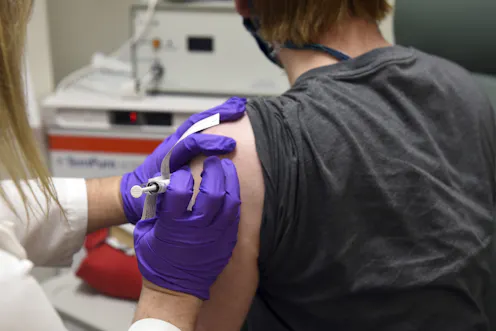
Early analysis suggests this vaccine has an efficacy of over 90%. So if you took ten people who were going to get sick from COVID-19 and vaccinated them, only one would get sick.
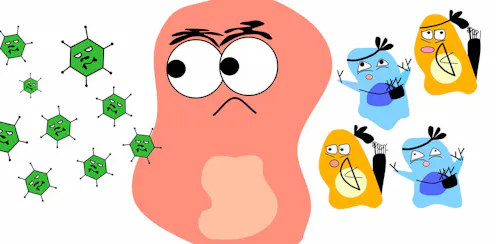
Vaksin bekerja dengan mengenalkan sistem kekebalan kita pada virus baru.
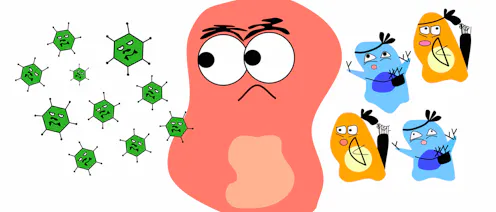
Vaccines work by teaching your immune system about new viruses. Your immune cells are very clever – they will remember what they learnt, and protect you if you encounter that virus in the future.
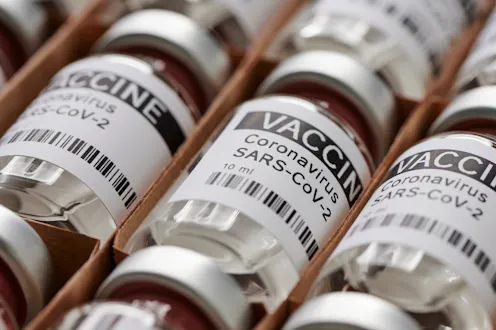
The Australian government is working with two major pharmaceutical companies to facilitate the local production and supply of two different COVID-19 vaccines – if they’re proven to be effective.
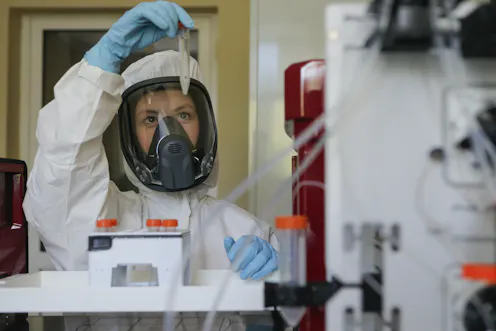
Si la vacuna no protege a los individuos de la infección, los que han sido vacunados podrían creer falsamente que están protegidos.
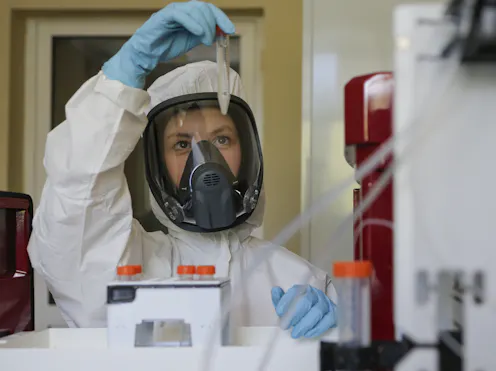
Développer un vaccin repose sur une méthodologie rigoureuse. Ne pas la respecter expose à un risque d’inefficacité ou à des effets secondaires qui affecteront la santé et la confiance du public.
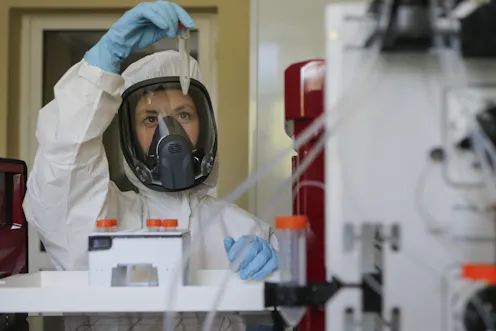
If the vaccine does not protect individuals from infection, those who have been vaccinated could falsely believe they are protected.
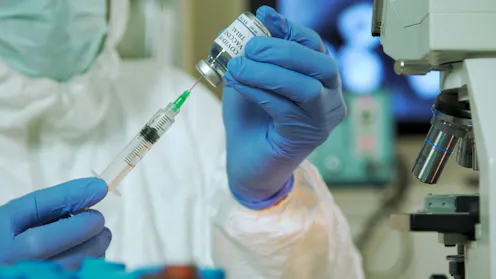
The race is on to develop a vaccine for the COVID-19 coronavirus. Australian researchers are leading several major clinical trials that might help bring an end to the deadly disease.
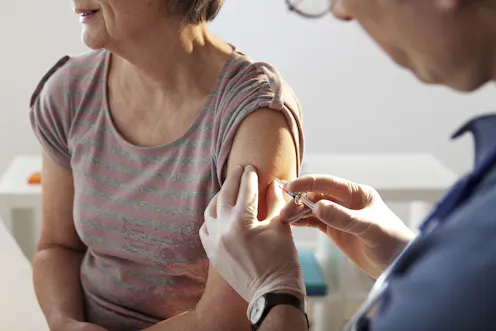
A potential vaccine for coronavirus is undergoing a human trial in Australia. It’s based on a vaccine that was already in development for influenza, and has shown promise in animal studies.
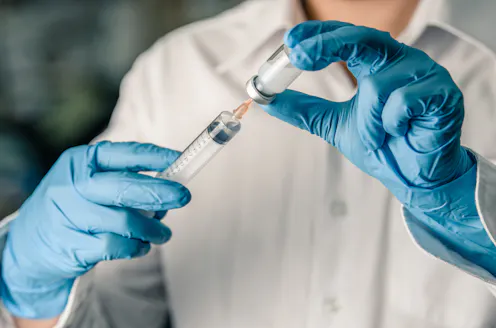
A vaccine historically used to prevent tuberculosis is now among the contenders for a COVID-19 vaccine. So what is the BCG vaccine and why might it work against coronavirus?
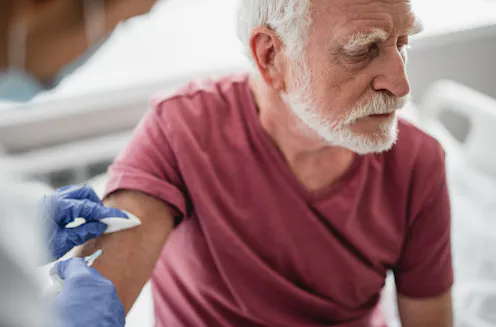
Several potential COVID-19 vaccines are in the pipeline, and Australian scientists are among those contributing to the research efforts. Here’s a look at where the research is at.
Contact Kylie for
- General
- Media request
- Speaking request
- Consulting / Advising
- Research collaboration
- Research supervision
- Location: Melbourne
- Website
- X (formerly Twitter): @DrQuinn4realz
- Article Feed
- ORCID
- Joined
