
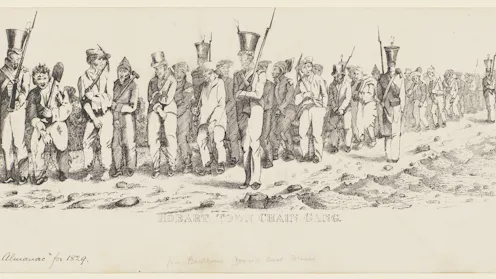
Many former convicts changed their names and hid their past. But over the last 50 years, Australians have increasingly discovered – and embraced – convict relatives.
- Professor in History, University of Tasmania
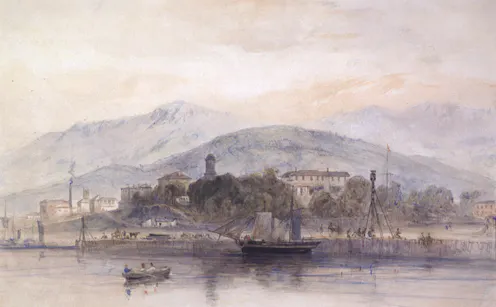
Along with British and Irish convicts, 627 free men, women and children were transported to the 19th-century penal colonies of Van Diemen’s Land. Their stories, mostly forgotten, are moving.

Students’ evaluations can be very personal and many factors can skew survey responses. But surveys can be designed to produce more valid and reliable results that could be used to improve teaching.
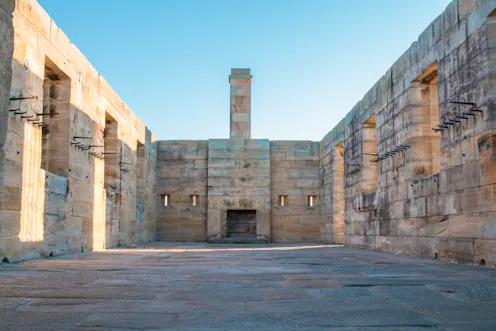
The 1991 Royal Commission into deaths in custody was preceded by an 1850 inquiry, which recommended that Aboriginal people be released should their health deteriorate in gaol.

Tasmania’s Aboriginal languages were decimated during the state’s colonial violence. But members of the original community have reconstructed a language, palawa kani, which is now being used more widely.
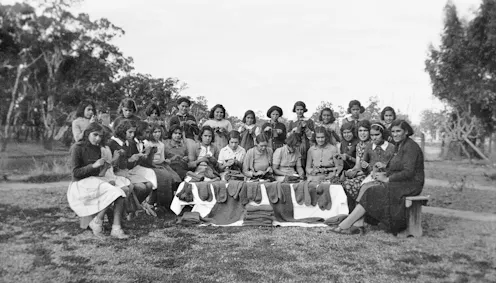
During the second world war, a young Aboriginal soldier, Private Clarrie Combo from New South Wales, exchanged mail with Mrs F. C. Brown from Loxton, South Australia — a white woman whom he had never met…
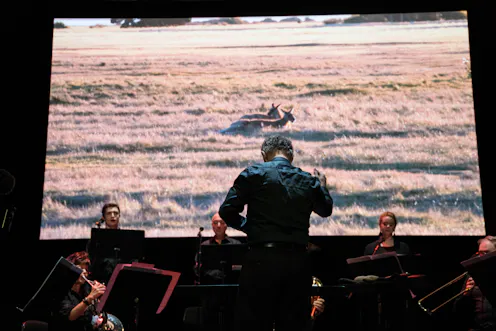
A Tasmanian Requiem brings together Western and Aboriginal voices to confront the violence of the state’s Black War. It shows what a historical reckoning, and reconciliation, might look and sound like.

As the Commonwealth Games get underway on the Gold Coast, what actually is the Commonwealth and is it still relevant?
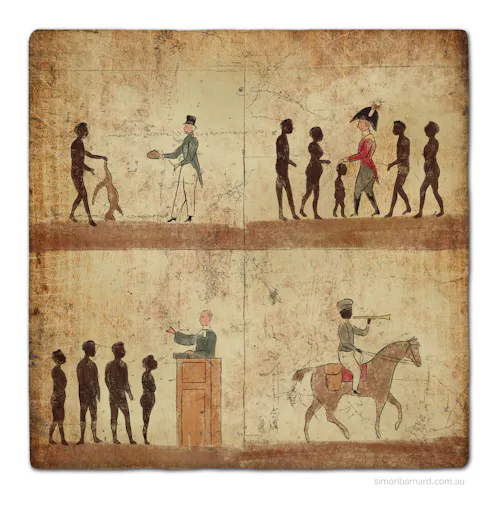
In the early days of colonial Tasmania, the British used threatening picture boards to communicate with Aboriginal people, giving them a choice between conciliation and death.
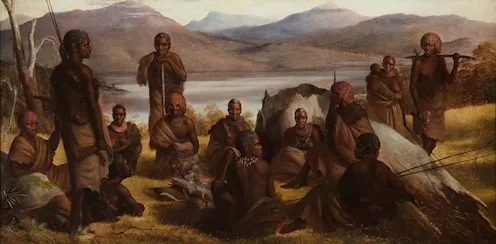
That colonial wars were fought in Tasmania is irrefutable. More controversially, surviving evidence suggests the British enacted genocidal policies against the Tasmanian Aboriginal people.
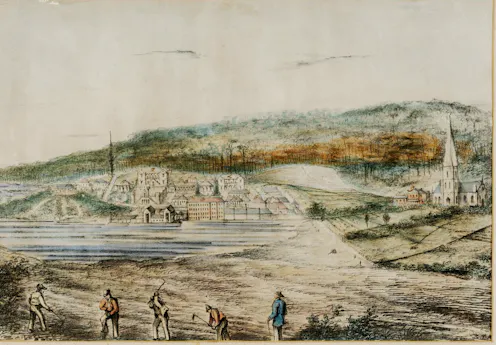
Early colonial New Zealand had no room for reprobates and was at war with Maori resisters. So between 1843 and 1853, it shipped the worst offenders across the Tasman Sea.

There is no evidence to support the marketing of an ancient boab in Western Australia as a tree that once held Aboriginal prisoners. The story is a myth that elides the tree’s deep significance to Indigenous people.
Contact Kristyn for
- General
- Media request
- Speaking request
- Consulting / Advising
- Research collaboration
- Research supervision
- Location: Hobart, Australia
- Website
- Article Feed
- ORCID
- Joined
