

Kevin Keegan’s cancer diagnosis and a surprising statistical quirk. What car crashes, shark attacks and workplace safety have in common.
- Professor of Mathematical Biology and Public Engagement, University of Bath

Can you solve the GCSE maths problem that ‘baffled’ Young Sherlock Holmes?

Heathrow’s Terminal 4 evacuation shows the power of social contagion.

How to understand the risks of head injuries in sport – beyond the alarming headlines.

A mathematician explains the fallacies that may have played a part in Letby’s conviction.
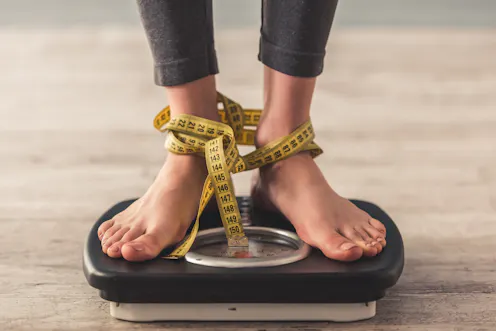
Arquímedes ya tenía la solución a cómo medir la obesidad.

Archimedes has the solution.

It’s impossible to predict a specific tremor. But long-term forecasts mean we can be prepared.
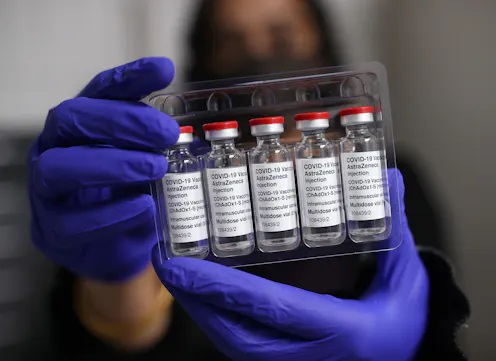
A mathematician explains the important difference between absolute risk and relative risk.

A new screening programme will increase five-year survival for people with lung cancer. But here’s what that really means.

There seems to be increased complacency around continued COVID infections, and even an attitude that they don’t matter. But they do – and we can reduce the risk.

An ongoing narrative seeks to shift the blame away from the government for mismanagement of the pandemic, by depicting it as beholden to all-powerful scientists.
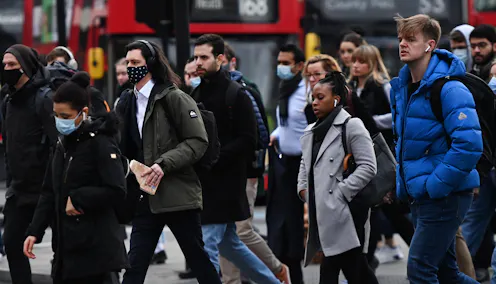
Removing ways of tracking and preventing the spread of COVID will lead to more disruption and ill health.
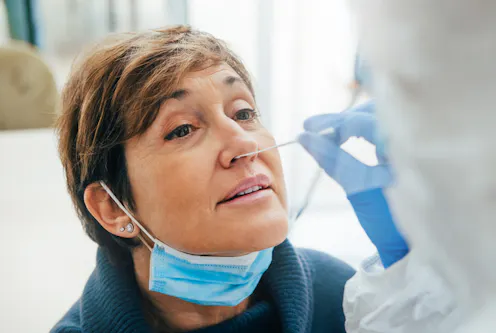
The reason for these results has yet to be confirmed – but maths may explain the phenomenon.
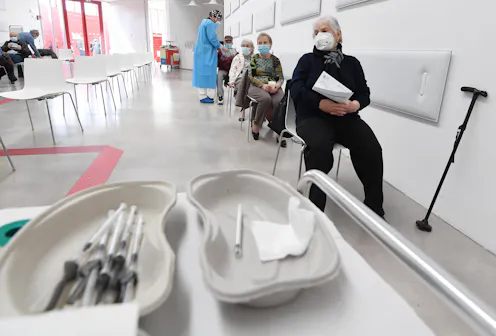
The latest UK data shows that nearly two-thirds of people who died of COVID between February 1 and June 21 had been vaccinated.

Act quickly, act decisively, trust people, communicate clearly, tackle inequality and be prepared.
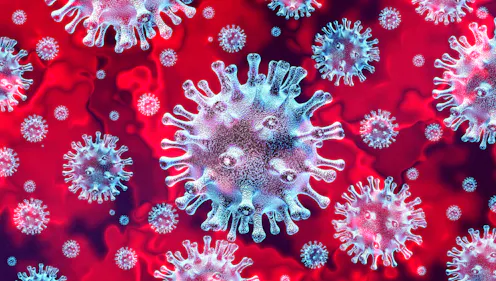
Las partículas de SARS-CoV-2 son extremadamente pequeñas. Se estima que su diámetro tiene una longitud que oscila entre los 80 y 120 nanómetros, y un nanómetro es una milmillonésima parte de un metro.
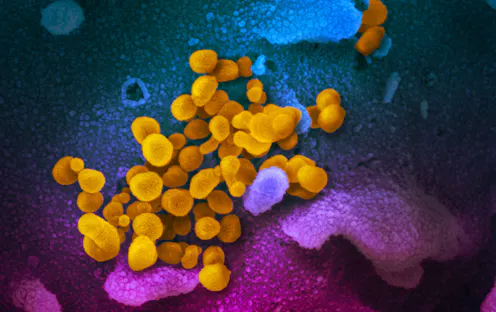
« Plus petite est la bête, plus elle a de venin », dit un proverbe provençal. Une maxime très à propos dans le cas du coronavirus SARS-CoV-2…
Never has the saying ‘dynamite comes in small packages’ been more apt.
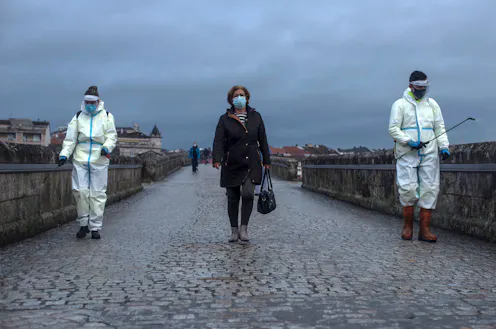
The coronavirus is evolving, but which path it will take is far from certain.
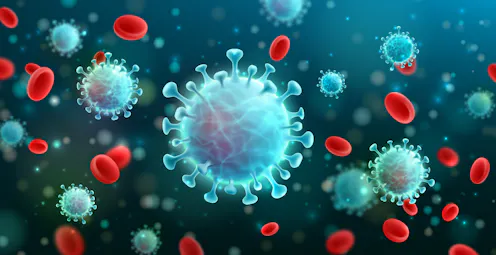
A virus that is 30% more transmissible is more deadly than a virus that is 30% more deadly. Counter-intuitive but true.

Did people really make the most of their pre- lockdown time?
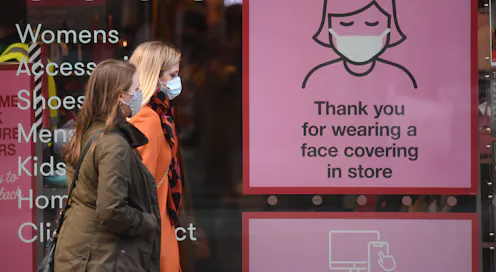
The latest REACT study provides some reassurance, but there is significant uncertainty in the numbers.

Answering this is not as straightforward as you might think. But a careful analysis of the data suggests the news is not great.
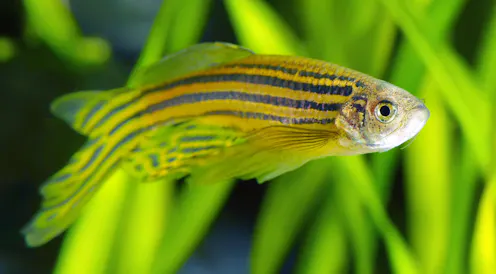
We wanted to find out which biological phenomena are crucial for pattern formation and which are just incidental. These sorts of questions can be answered with mathematical modelling.
Contact Kit for
- General
- Media request
- Speaking request
- Consulting / Advising
- Research collaboration
- Research supervision
