
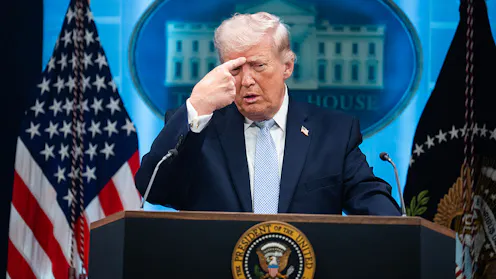
Amid lawmakers’ calls for the president’s removal from office, Americans may be wondering what would come next.
- Professor of Law and Adjunct Professor of Political Science, Wayne State University
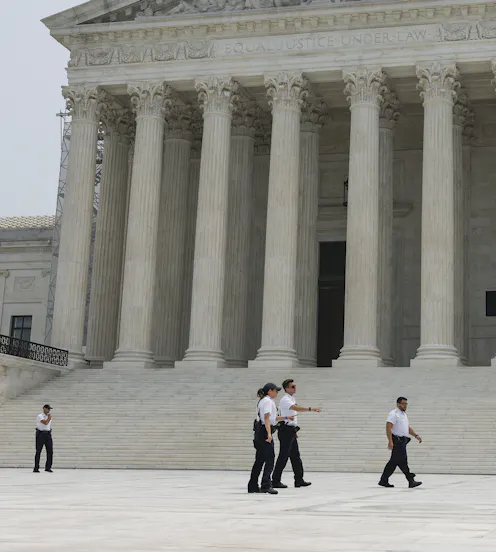
As a powerful branch of government, the Supreme Court has enormous power over public policy only if defendants comply with its rulings.
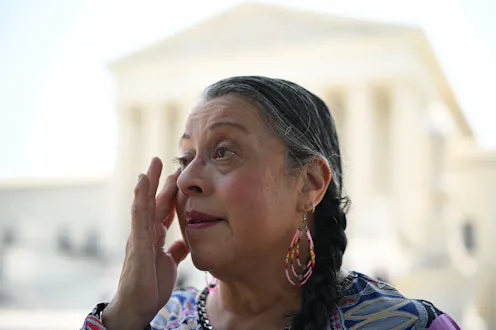
A Supreme Court ruling has upheld the right of Congress to pass laws about Native American tribes’ rights to self-government.

Trump isn’t the first modern president with legal problems, but he would be the first former president to be indicted for alleged crimes.
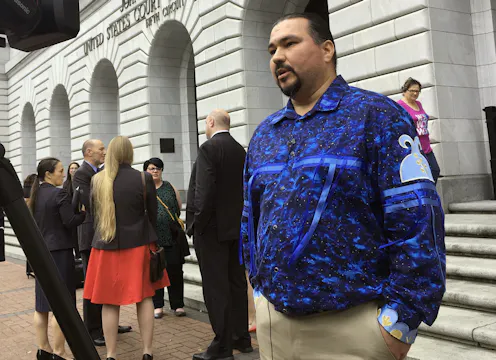
A case before the Supreme Court will determine whether a federal law meant to protect Native American children from being forcibly removed from their families is constitutional.
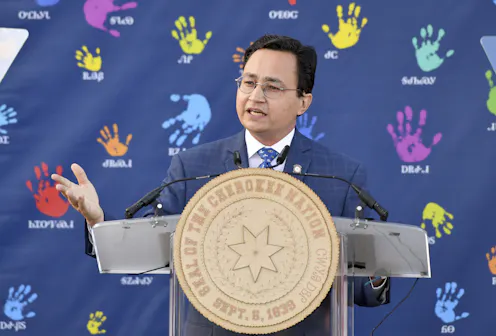
For the past 50 years, the Supreme Court has issued rulings that narrow tribal rights while Congress has worked to expand them. A recent ruling struck yet another blow against Native sovereignty.
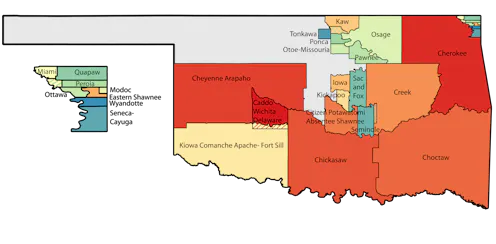
Local governments in Oklahoma are adapting to a 2020 Supreme Court ruling, but state officials have chosen a different path.
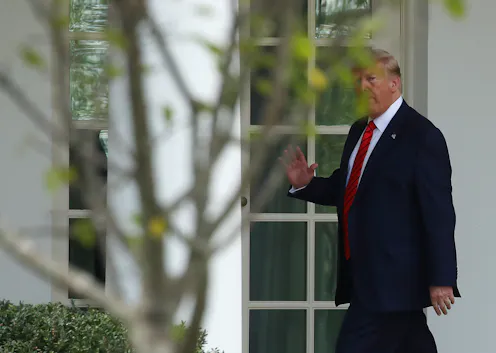
Justices have cleared the way for hundreds of Trump administration documents to be handed to a panel investigating the Jan. 6 attack. A law scholar explains what that means for executive privilege.

Former aides to Donald Trump have refused and delayed compliance with a subpoena issued by the Jan. 6 committee. It has set up a messy legal fight over executive privilege.
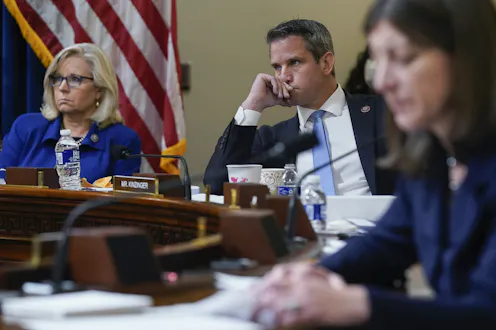
GOP Rep. Liz Cheney says the American people “deserve the full and open testimony of every person with knowledge of the planning and preparation for Jan. 6.” Will they get it?
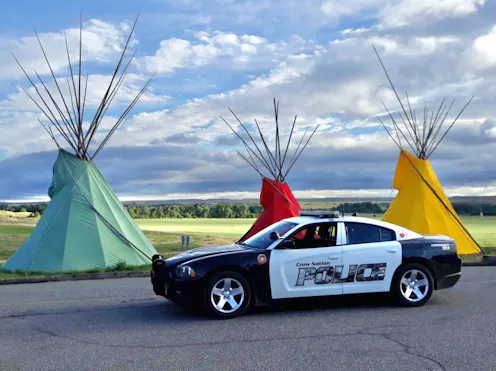
A defendant who is not a Native American claimed tribal police had no power over him, even on tribal land. The Supreme Court disagreed.
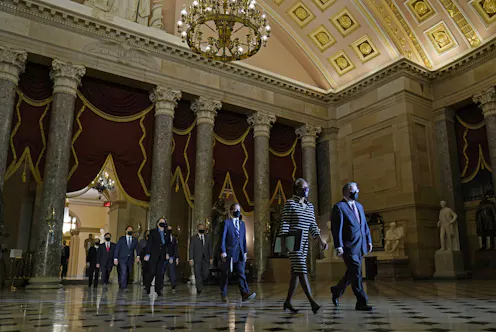
There are a lot of questions about the point of putting on trial someone who is no longer in office.
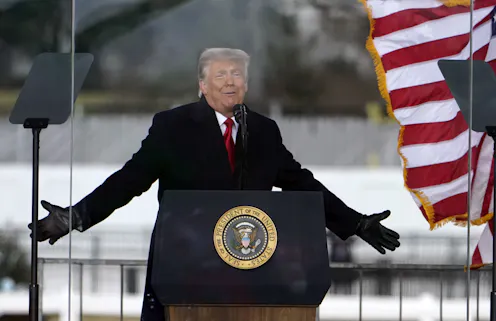
Calls have emerged from many sources for Congress or the Cabinet to remove Trump from office in the wake of the U.S. Capitol incursion Jan. 6. Who could act, and what could they do?
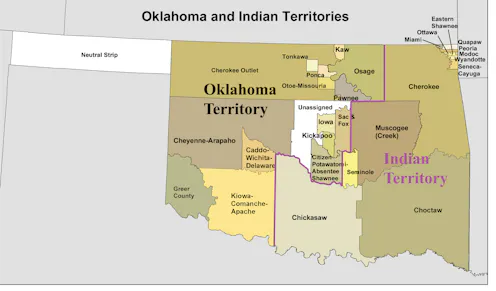
Land in what is now eastern Oklahoma, which was granted to the Creek Nation by Congress in 1833, is still under tribal sovereignty, the Supreme Court ruled.
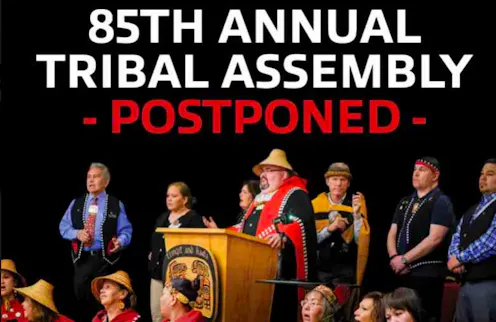
American Indians and Alaska Natives are the most impoverished and marginalized group in the US. Tribes are working to protect their people from the coronavirus, but they have few resources to do so.
Congress wanted an aide to President Trump to testify; Trump ordered him not to. Congress went to court over it, and the court told both sides to leave the courts out of it and negotiate a solution.
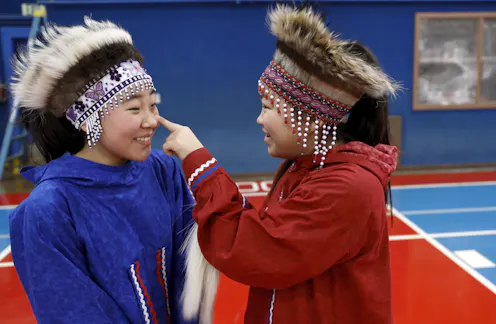
Native Americans who live in villages and on traditional lands have been undercounted by the U.S. Census for decades.
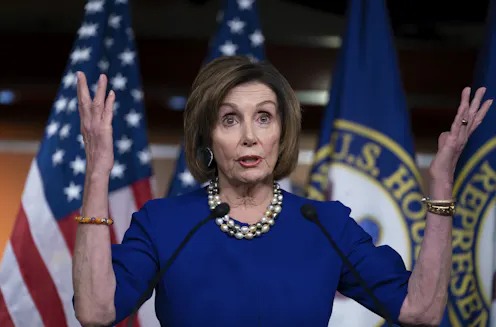
The Constitution provides Congress with plenty of tools to hold the White House to account. So what moves does the legislative branch have left?
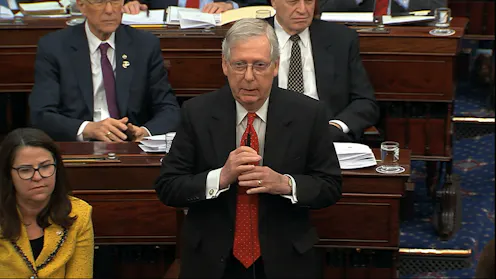
Certain words are being used over and over during the impeachment trial of President Donald Trump. One of them is ‘precedent.’ What does it really mean?

President Trump refuses to provide information to lawmakers in the impeachment inquiry. But courts have been reluctant to take such cases for fear of upsetting the government’s balance of power.
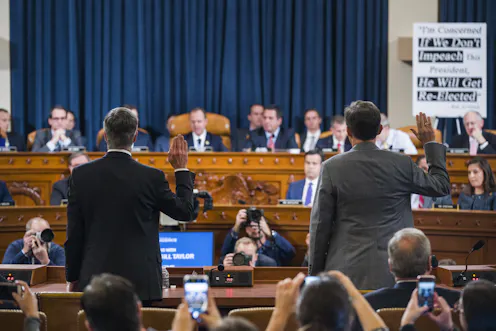
The first day of public impeachment testimony was defined, in part, by strongly worded statements from Representatives Adam Schiff and Devin Nunes.
Contact Kirsten for
- General
- Media request
- Speaking request
- Consulting / Advising
- Research collaboration
- Research supervision
- Location: Detroit, Michigan, U.S.
- Website
- Article Feed
-
- Joined
