
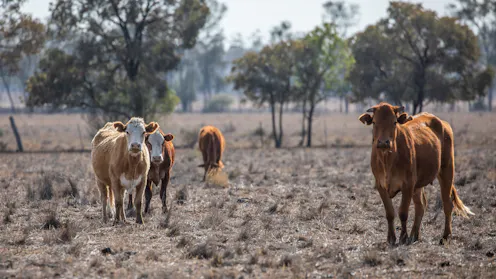
Past El Niño events have coincided with some of the driest, hottest weather on record.
- Postdoctoral Research Fellow in Atmospheric Sciences, The University of Melbourne
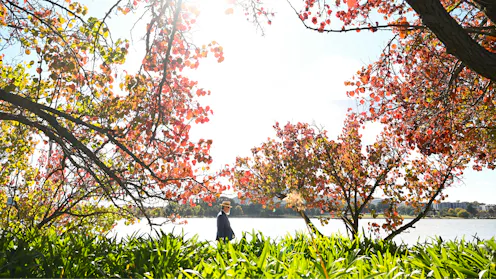
It’s been a very warm and dry autumn for much of southern Australia – and winter looks set to be similar.

Media reports have suggested a “super” El Niño is looming. The problem is, these autumn forecasts are notoriously unreliable.

Reports of a rare summer La Niña are premature. It is also foolish to look at such climate drivers in isolation. But seasonal forecasting is becoming more complicated as the planet warms.

Weather forecasting is improving at a great rate, even though climate change could be making it tougher.
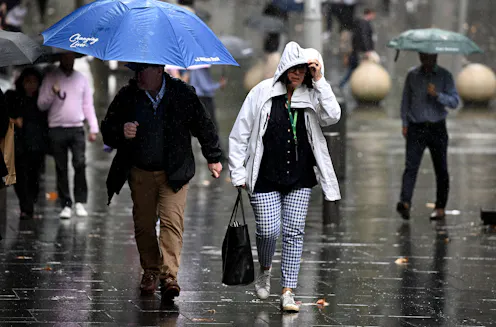
You might be wondering: what is a ‘Black Nor'easter’, what’s causing all this rain and does it have anything to do with climate change? Here’s what you need to know.
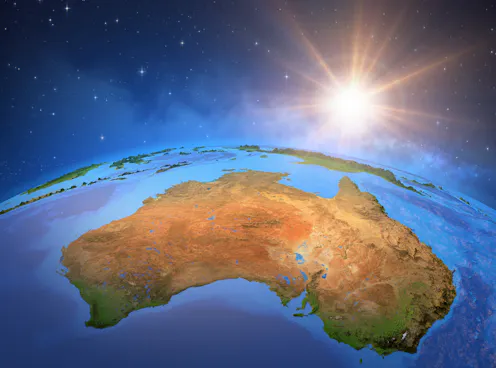
El Niño looms large as we head into the Australian summer. But can everyone expect hot and dry weather? What drives the weather in your state?

Le mois de juillet a été le plus chaud jamais enregistré et nous a fait franchir la barre des 1,5 degré. Qu'est-ce que cela signifie vis-à-vis de nos objectifs fixés par l'accord de Paris ?

Juli adalah bulan terpanas sepanjang sejarah-–dan suhunya melebihi 1,5 derajat. Namun satu bulan ini berarti kita gagal memenuhi tujuan Perjanjian Paris.

Julio fue el mes más caluroso jamás registrado y nos llevó a un ascenso de las temperaturas por encima de 1,5 grados. ¿Significa que se acabó la partida? ¿Que debemos tirar la toalla?

July was the hottest month on record – and took us past 1.5 degrees. But one month isn’t the same as failing to meet our Paris Agreement goals

From the hottest global average day, to the highest average sea surface temperature and the lowest Antarctic sea ice extent - here’s why so many climate records are breaking, all at once.
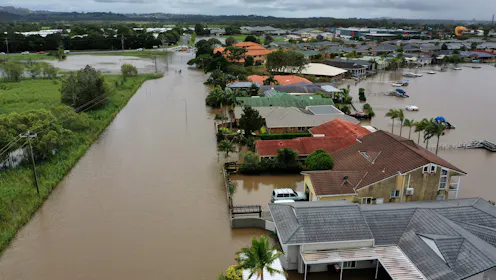
Some were quick to point the finger at climate change when floods hit eastern Australia in February and March 2022, in the lead up to the federal election. But it’s not that simple, scientists say.
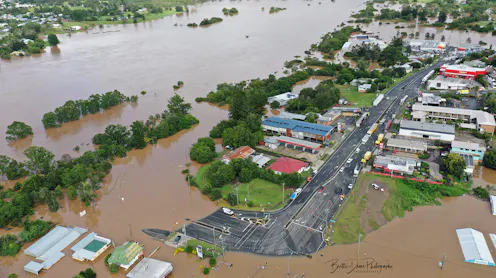
A weather system called ‘atmospheric rivers’ is causing this inundation. In March last year, an atmospheric river brought 800kg of water vapour over Sydney every second.
Contact Kimberley for
- General
- Media request
- Speaking request
- Consulting / Advising
- Location: Melbourne, Australia
- X (formerly Twitter): @kjreid95
- Article Feed
- ORCID
- Joined
