
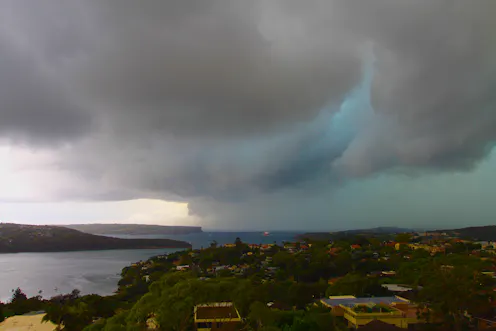
Severe storms bring a complex mixture of weather conditions, often in a very localised area. This unpredictability can make them very damaging, and very hard to study too.
- Professorial Fellow, School of Earth Sciences, The University of Melbourne
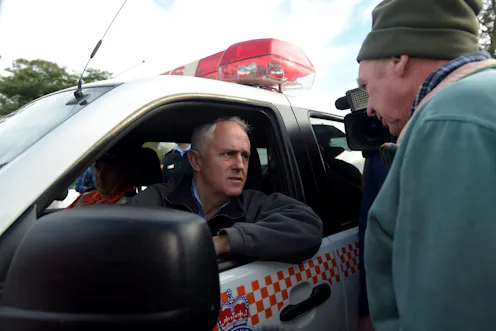
Was Malcolm Turnbull right to say that larger and more frequent storms are one of the predicted consequences of climate change – but that you can’t attribute any particular storm to global warming?
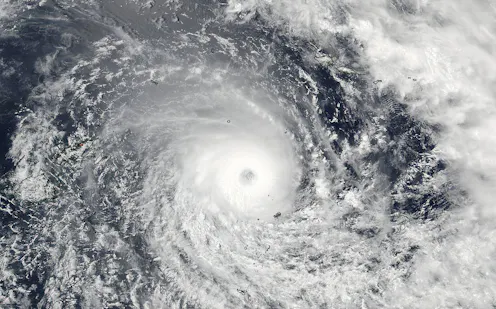
Cyclone Winston produced wind speeds of around 300 km per hour, making it one of the strongest storms to make landfall.

CSIRO is set to cut dozens of jobs from its climate research units, as part of a wider series of job losses to be formally announced today.
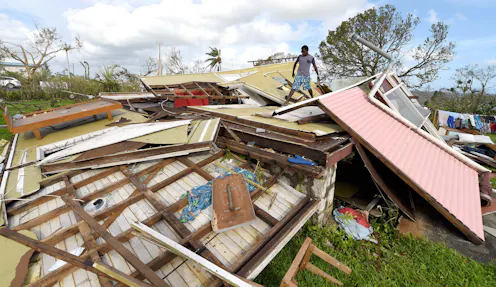
A causal relationship between cyclone behaviour and anthropogenic global warming is a very real possibility. But most climate scientists hesitate to attribute any single event to global warming.
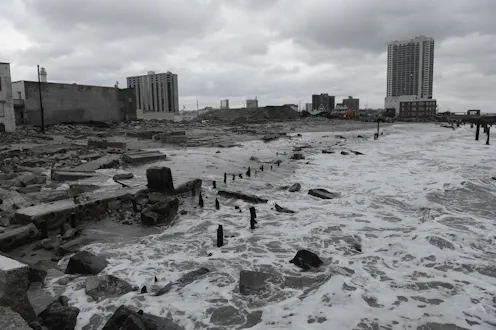
As I write this, the worst coastal flooding effects from Hurricane Sandy’s attack on the densely populated regions of the US northeast are almost over. Even so, the effects have been significant: record…
Contact Kevin for
- General
- Media request
- Speaking request
- Consulting / Advising
- Research collaboration
- Research supervision
- Location: Melbourne, Australia
- Article Feed
- Joined
