
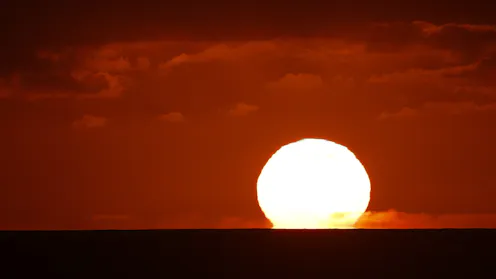
From global temperature records to drought risk in New Zealand, the developing climate pattern could have far-reaching consequences.
- Distinguished Scholar, National Center for Atmospheric Research; Affiliate Faculty, University of Auckland, Waipapa Taumata Rau

Arrêter de financer le système global de mesure de l’océan met en danger nos capacités de prévisions météorologiques et d’anticipation – ce qui coûterait au final bien plus cher que ce système lui-même.
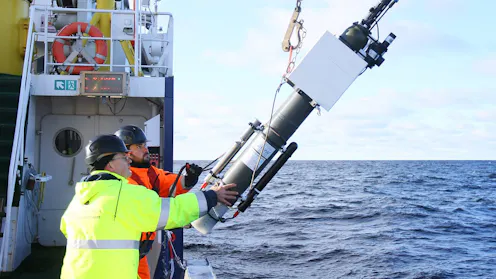
Defunding marine monitoring networks could jeopardise efforts to avoid losing track of the world’s oceans and their precious ecosystems, which drive the blue economy.
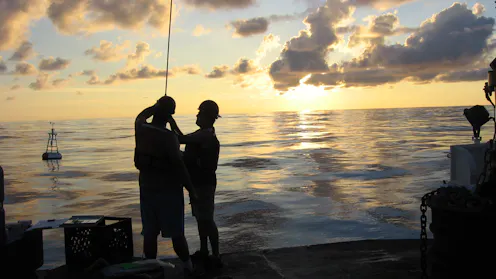
The Global Ocean Observing System informs weather forecasts and climate projections. But funding pressures could create data gaps leaving the world blind.
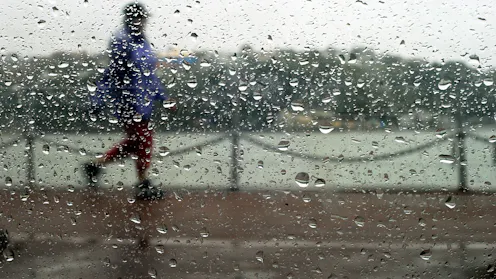
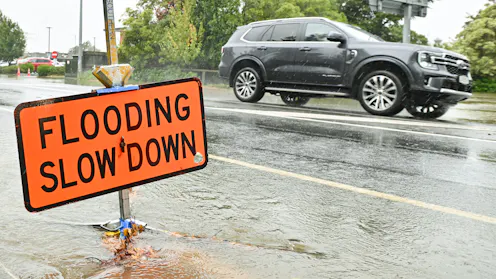
Behind this summer’s floods and slips is a simple signal we rarely talk about: humidity. As the climate warms, NZ will need to pay closer attention.
Understanding what is happening deep beneath the ocean surface is key to understanding the weather patterns we are experiencing on land.
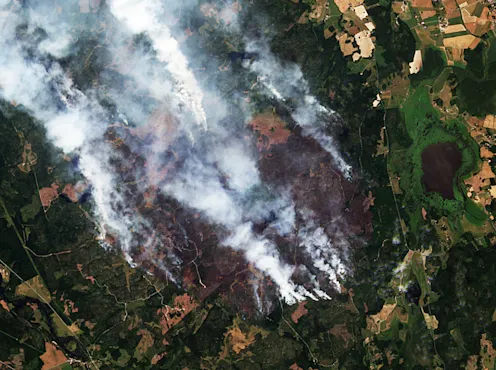
As the atmosphere warms, it can hold more moisture. This brings more intense downpours but also accelerates warming – because water vapour is a powerful greenhouse gas.
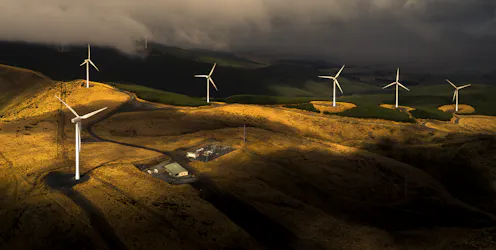
The BlackRock climate fund is a start, but New Zealand needs a comprehensive approach to tackling its various environmental and economic vulnerabilities to the climate crisis.
Climate change is relentless and largely predictable, but it is influenced by natural variability. This means the largest temperature rise usually comes at the end of an El Niño event.

2016 was the world’s warmest year on record, due in part to a very strong El Niño event. But 2023 (and 2024) could beat that record – what should we expect?

New Zealand is considering a plan to tax methane from cows. But while cows and cars both emit greenhouse gases, they don’t have the same impact over time.
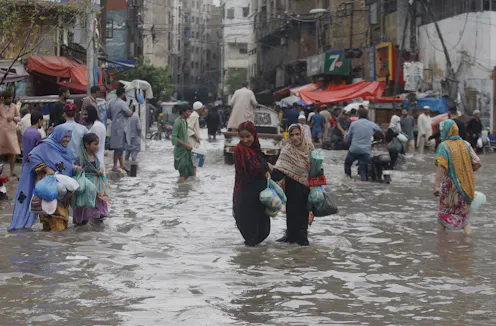
A climate scientist explains the forces behind the summer’s extreme downpours and dangerous heat waves, and why new locations will be at risk in the coming year.
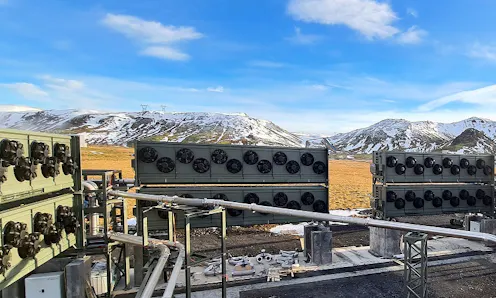
A climate scientist looks at what works and some popular ideas that aren’t as cheap or effective as people hope.
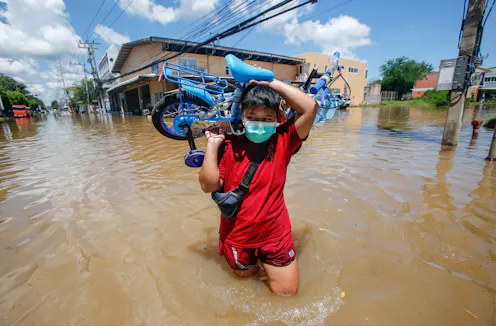
While surface temperatures were about the 6th warmest on record in 2021, the upper oceans were at their hottest – and they’re a stronger indicator of global warming. A top climate scientist explains.
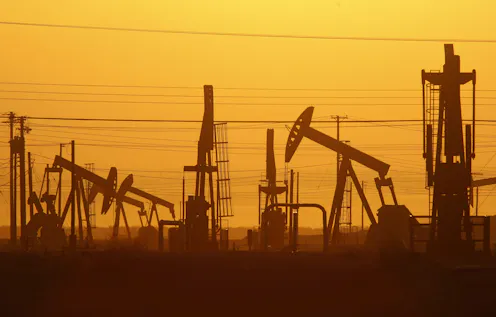
Reducing methane emissions could slow global warming quickly and buy time for the world to wean itself off fossil fuels. But it must not distract from the challenge to cut carbon dioxide emissions.

What might sound like small changes – temperatures another tenth of a degree warmer, sea level a few centimeters higher – have big consequences for the world around us.
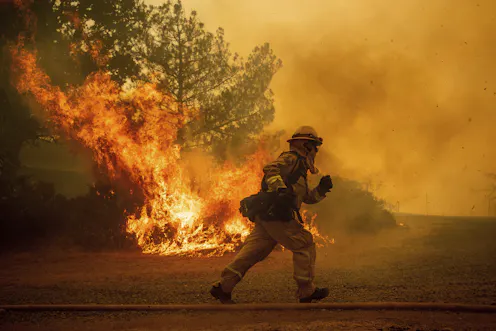
With California suffering another devastating wildfire year, more people are wondering about whether and how global warming is contributing. A climate scientist explains.

A panel of academics and scientists explain the damages to the Earth, the economy and US moral standing in the world by Trump’s decision to abandon the Paris climate accord.
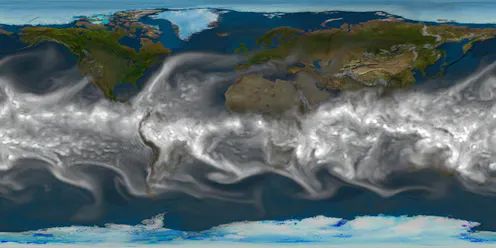
People worry Washington is losing respect for science and even the centuries-old scientific method. Two climate scientists explain how science can be done when talking about the future.
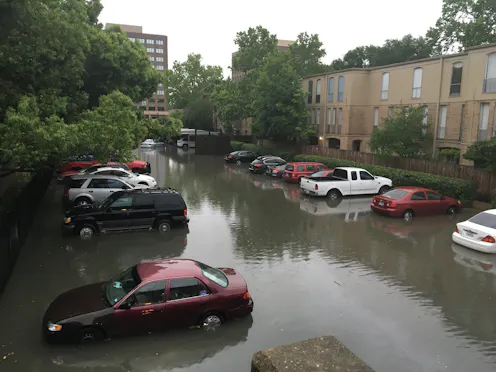
Extreme weather has an outsized impact on everyday life. Focusing on average weather patterns may make Americans dangerously complacent about how climate change is already affecting our lives.
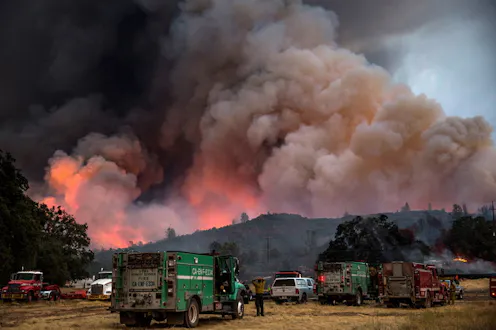
Portée par un puissant El Niño et par le changement climatique, 2015 a battu tous les records de températures, faisant mentir les défenseurs de l’hypothèse d'une pause dans le réchauffement global.
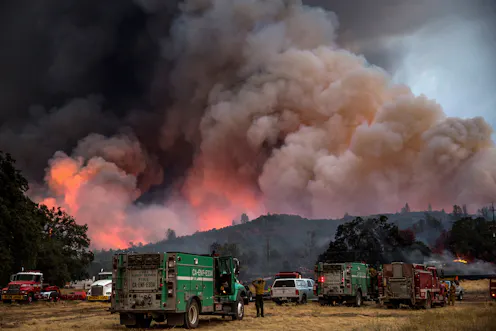
Thanks to El Niño and climate change, last year broke temperature records – and reduces any importance attached to the global warming ‘hiatus.’
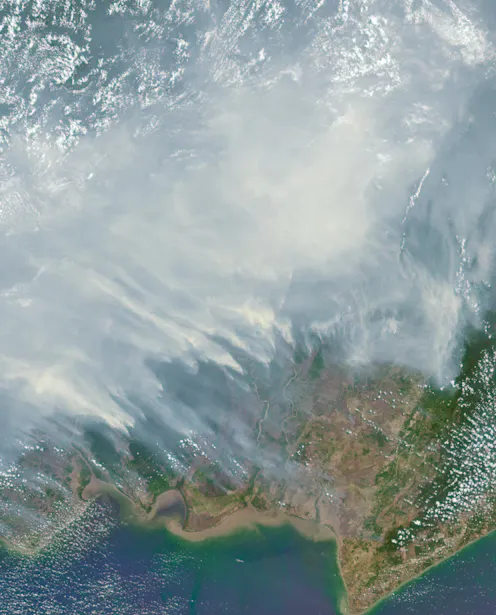
The third-ever ‘super’ El Niño is under way. Here’s how it will affect your region in the US and how global warming affects this and future El Niños.
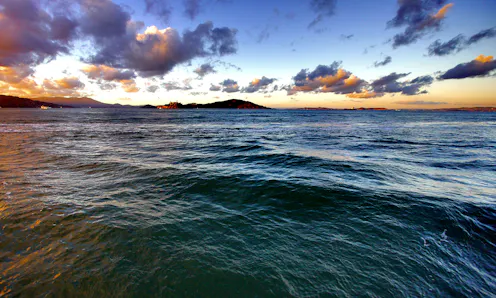
Study of natural variability explains slowdowns in the rate of warming in recent decades – and is key to improving climate models.
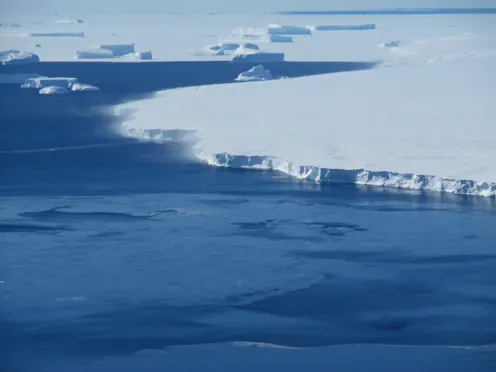
NASA’s former climate chief, James Hansen, is lead author on a paper that predicts rapidly rising seas this century, but not all climate scientists believe the study’s models are convincing.
Contact Kevin for
- General
- Media request
- Speaking request
- Consulting / Advising
- Research collaboration
- Research supervision
- Location: Auckland, New Zealand
- Website
- Article Feed
- ORCID
- Joined
