
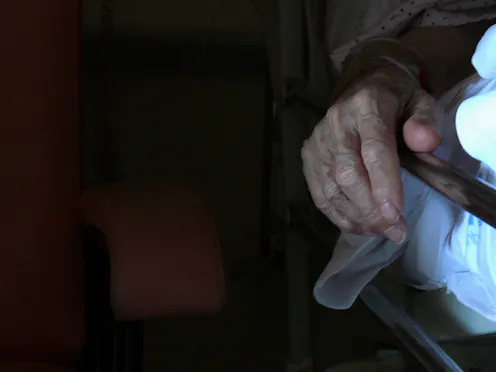
We found one third of patients near the end of their life received non-beneficial treatments in hospitals around the world. These included initiating chemotherapy and providing emergency surgery.
- Professor of Intensive Care, UNSW
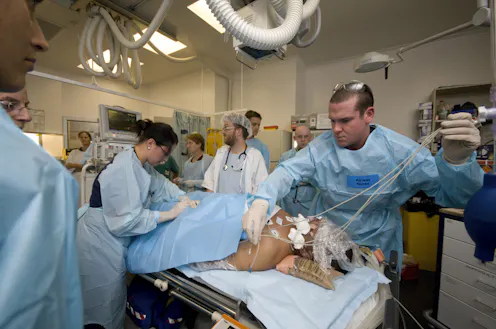
Detecting and treating patients before they have a cardiac arrest isn’t rocket science, but it’s a life saver. Rapid response systems identify deteriorating patients by abnormal vital signs and observations…
ABC’s Four Corners tonight is about a young man who has decided to end his life after 36 years of suffering a debilitating illness. But because euthanasia is illegal in Australia, he has to apply to another…

While the federal election is still months away, issues of health funding are already dominating the news. A Grattan Institute report released yesterday, for instance, noted the greatest budgetary pressure…

Mobile phones should be used to express and store our end-of-life medical care preferences, experts say. Advance care directives (ACDs) are legal documents that allow people to detail the quality of life…
As an intensive care physician I’m increasingly confronted with managing patients who are at the end of their life. Australians need to be aware that the way that they will spend the last few days or weeks…
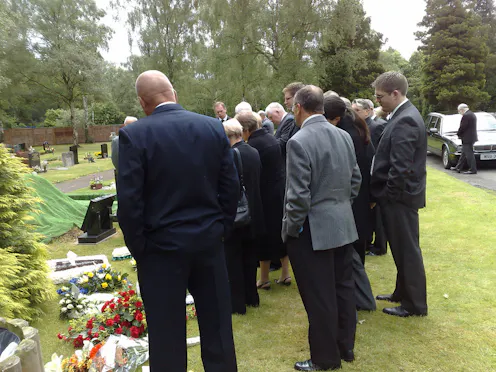
TALKING ABOUT DEATH AND DYING - Why is it we don’t talk about the greatest inevitability in our lives? Why don’t we talk about death and dying? Today we hear from a professor of intensive care, who looks…
Contact Kenneth for
- General
- Media request
- Speaking request
- Consulting / Advising
- Research collaboration
- Research supervision
- Article Feed
- Joined
