
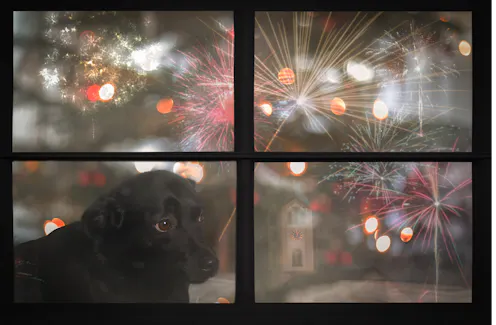
Fireworks can frighten wild and domestic animals, start wildfires and affect some people’s mental health.
- Professor, Management and Organizational Studies, Huron University College and Coordinator of Animal Ethics and Sustainability Leadership, Western University
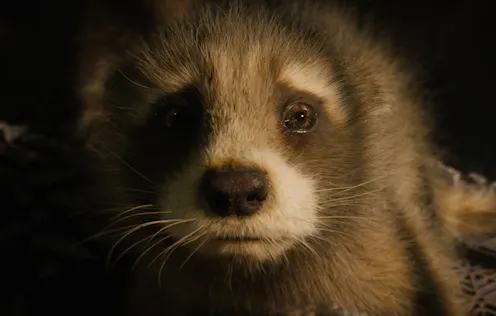
People moved by the plight of the animals in ‘Guardians of the Galaxy Vol. 3’ should channel their emotions into meaningful action for real animals.
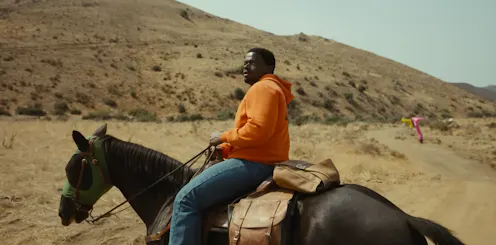
When it comes to our ethical duties to animals, representation and respect should go hand in hoof.
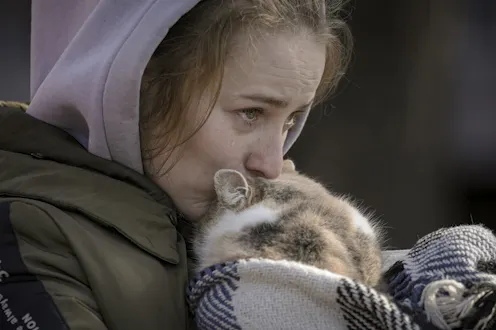
Cette guerre met en lumière l’interdépendance des vies humaines et animales et notre détermination à agir avec amour, même quand on fait face à un danger mortel.
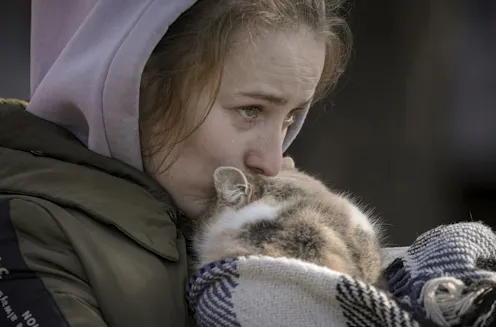
This war has powerfully and painfully magnified the connections among human and animal lives, and our unrelenting commitment to love in the face of darkness.
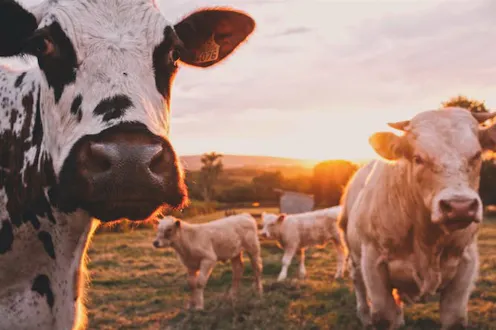
Eksploitasi dan konsumsi hewan tidak hanya merugikan spesies lain, tetapi juga spesies kita sendiri. Saatnya berpikir dan bertindak lebih bijaksana di masa pandemi ini dan seterusnya.
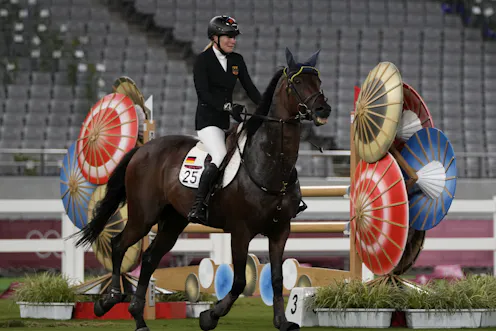
The treatment of the horse Saint Boy has ignited fierce discussion about horses in modern pentathlon, and reanimated ethical debates about horses’ jobs beyond the Olympics.
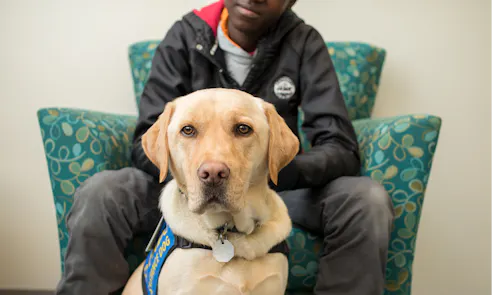
Highly skilled dogs are hard at work supporting the child victims of crime. Meet the justice facility dogs.
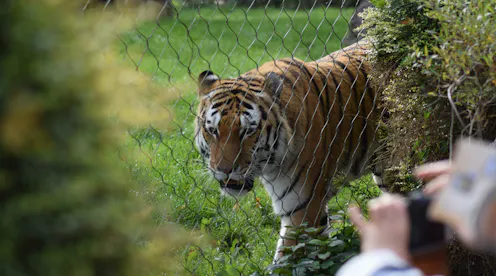
One year ago, the ‘Tiger King’ docuseries raised public concern about animal cruelty to new heights. But what’s happened to animals since?
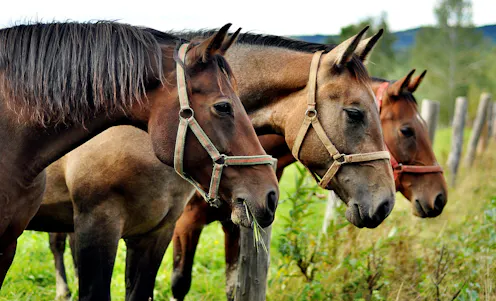
This story is not graphic, but what happens to slaughter-bound horses is, and it’s time for change.
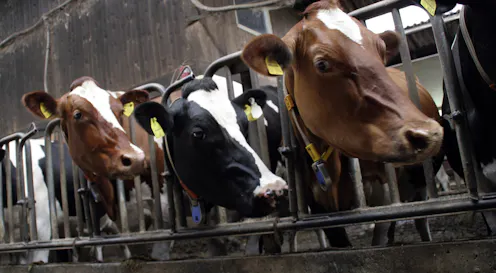
The end of factory farming will lay the foundation for a rural resurgence and the development of more just and sustainable communities for people and animals alike.
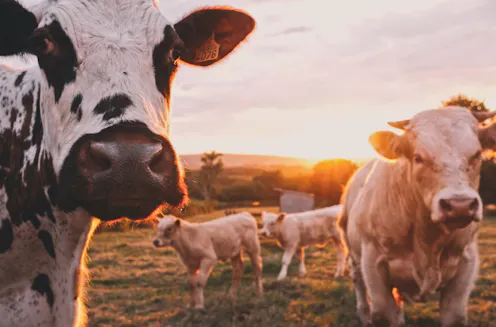
Animal suffering not only harms other species, it endangers our own. Here’s how we can do better.

A closer look at Canada’s hit TV show, ‘Hudson & Rex’, invites us to think differently about animals’ minds, work and contributions to our shared communities.
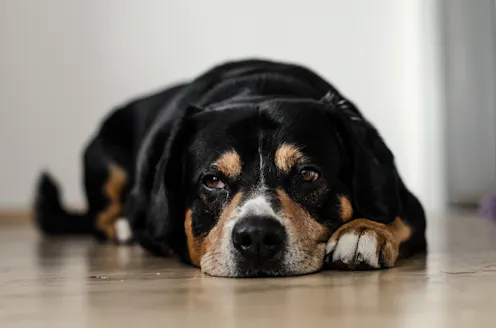
Forensic veterinarians are helping to combat crimes against animals – and since animal abuse often occurs alongside violence against women and children, they are helping to protect people, too.
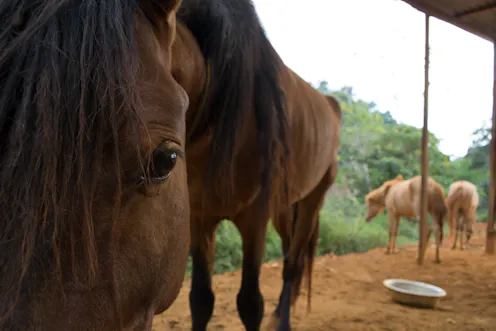
A new study examines how to best enforce and prevent animal abuse, including through a dedicated anti-cruelty policing unit.
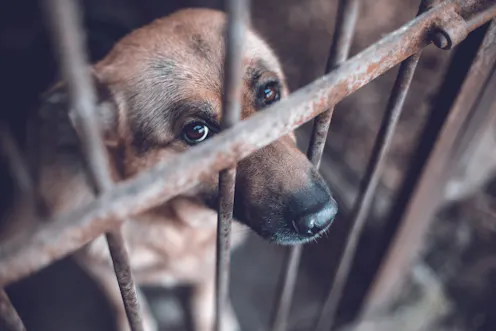
Animal cruelty investigators do challenging and unappreciated work for very low pay, and normally without union benefits or protections.
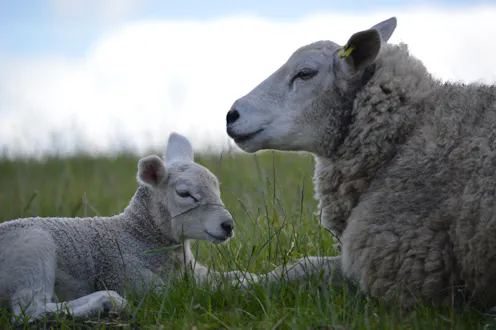
While the commitment of vegan businesses to animal well-being is laudable, is that where their ethical commitments stop? Are they reproducing bare-minimum labour standards, or aiming higher?
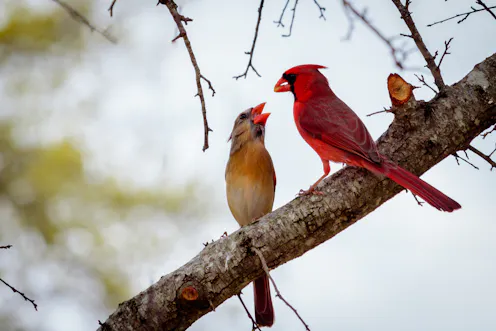
Wild animals are hard at work this spring. Here’s how their hard labour benefits humans, and why we should be more appreciative.
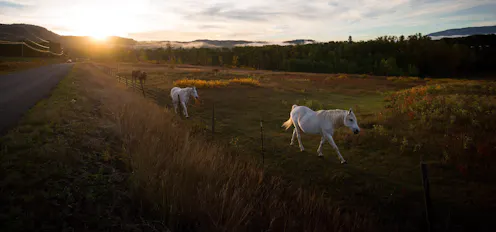
Horses have played a major role in our culture and have worked hard for human beings for eons. But there’s high turnover and pressing labour issues in horse stables. It’s time to figure out why.
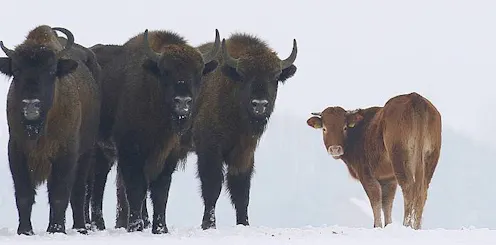
Animals do so much work for humans, from farm animals who die to feed us to service animals helping veterans with PTSD. It’s time we gave back by providing humane living and working conditions.
Contact Kendra for
- General
- Media request
- Speaking request
- Research supervision
