

We’ve wasted a lot of time delaying climate action. As the damage becomes ever clearer, it’s time to accelerate the transition.
- Emeritus professor, Australian National University
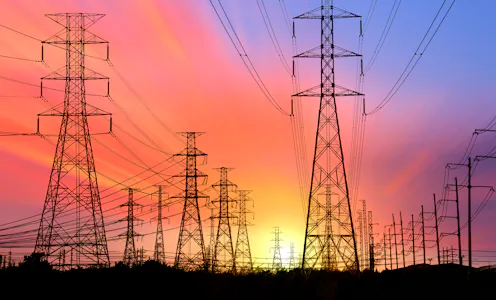
Australia could use about 7,000 terawatt-hours of solar and wind generation per annum to make a sizeable contribution to cutting global emissions – about 27 times its current electricity output.
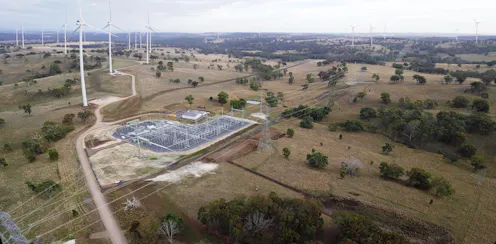
Australia is installing renewable energy at more than ten times the global average. This is excellent news, but raises serious questions about integrating this electricity into our grids.
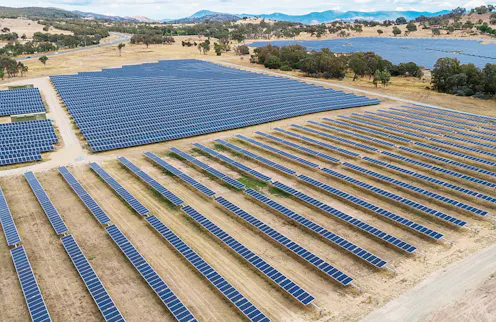
Australia could be getting half of its electricity from renewable energy by 2025, even without government subsidies for new wind and solar projects, according to a new analysis of energy industry trends.
Renewable energy investment is gathering steam throughout the world. Australia’s National Energy Guarantee policy should be made agile enough to jump on board, because this runaway train won’t stop.
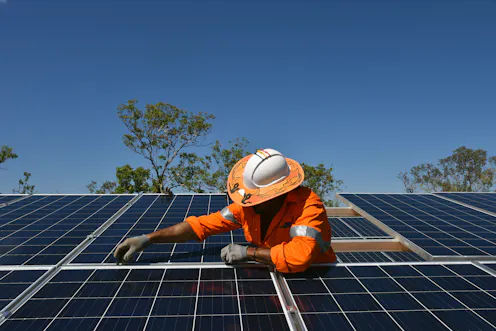
The price of renewable energy will fall significantly relative to new-build coal in coming decades, making an all-renewable electricity system more desirable, both economically and environmentally.
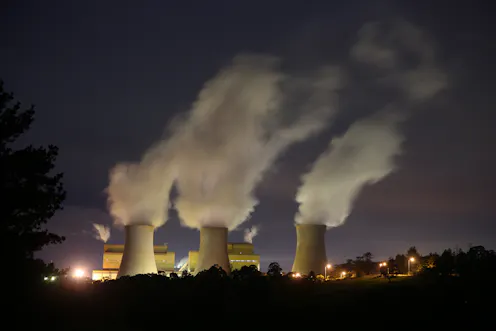
On Q&A, an audience member said renewable energy is ‘now cheaper than coal’. Senator Matt Canavan disagreed, saying renewables are not ‘at the moment, cheaper than coal’. Let’s look at the numbers.
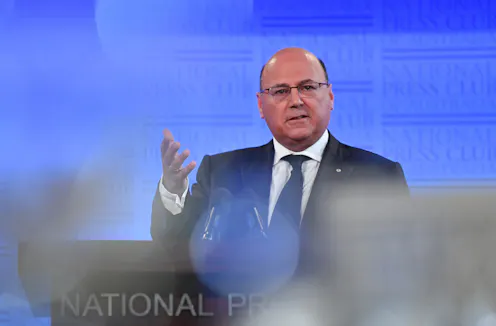
The federal government released its National Science Statement today, reinforcing its commitment to science and innovation. But does it do enough?
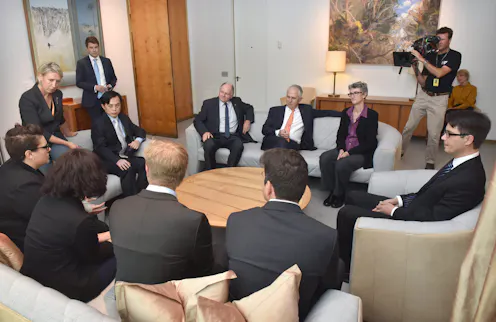
Today is the start of Science Meets Parliament, which helps our nation’s leaders embrace the latest scientific evidence.

Agriculture Minister, Barnaby Joyce, told Q&A that China will increase its carbon emissions 150% between 2005 and 2030. Is that correct?
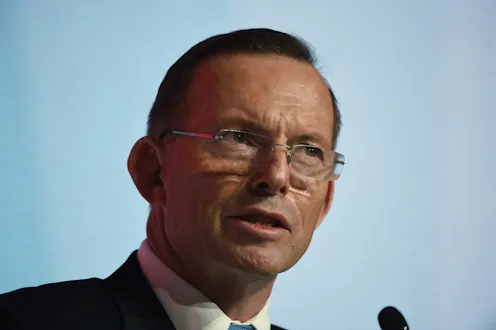
Prime Minister Tony Abbott said this week that Labor’s pledge to source half the nation’s power from renewable energy by 2030 will “mean a massive bill, perhaps $60 billion or more, that will have to be carried by the consumers of Australia.” Is that right?
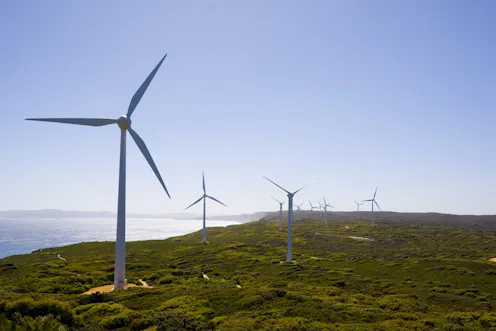
While Australia has reached a deal on the Renewable Energy Target, there’s no long-term certainty for the sector yet.
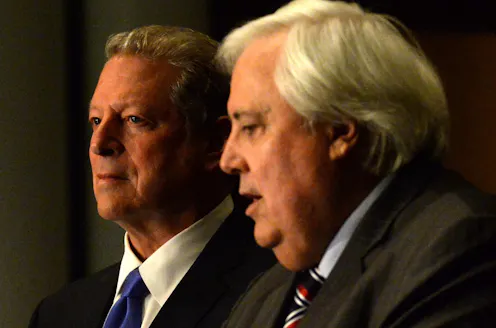
Climate policy is back on the agenda in Canberra this week, with the focus on the government’s centrepiece Direct Action plan. The Coalition will have to negotiate with the Palmer United Party, which will…
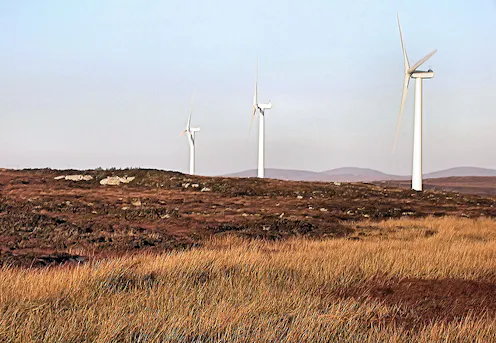
Renewable energy sources such such as solar photovoltaic and onshore wind could generate the lowest electricity costs in Australia by 2030, according to a report released today by the Bureau of Resources…
Contact Ken for
- General
- Media request
- Speaking request
- Consulting / Advising
- Research collaboration
- Research supervision
- Location: Canberra, Australia
- Website
- Article Feed
- ORCID
- Joined
