
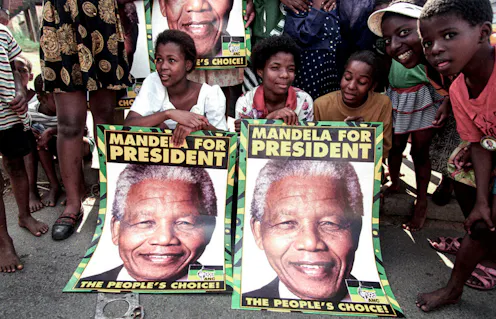
The electoral commission had only four months for work which normally takes two to three years. In the end, the election succeeded because the nation wanted it to succeed.
- Professor, Department of Political Sciences, University of South Africa
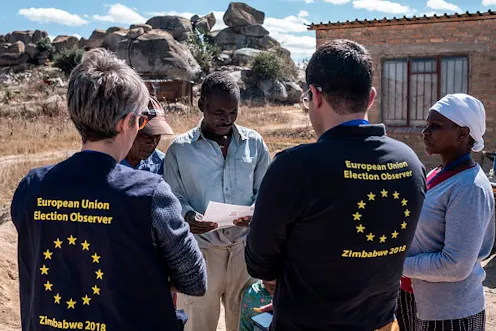
Observers regularly face dangers owing to political instability, insecurity, violence and other crises in some countries.
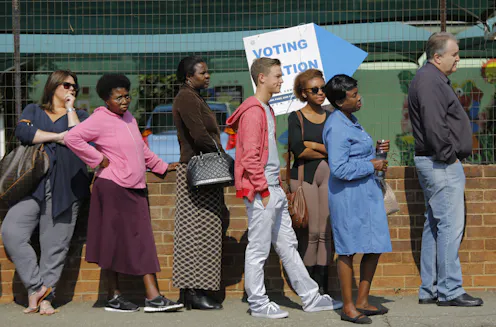
South Africa’s polls have been praised for adhering to international election best practice. But, they are not without problems.
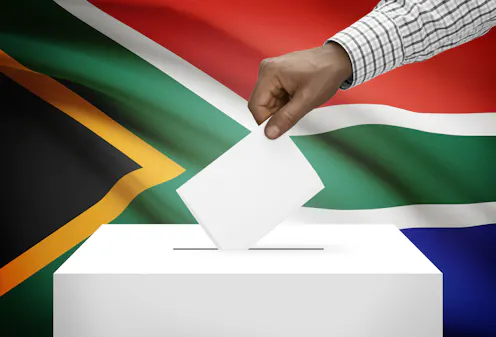
South Africa’s electoral commission’s failure to ensure a credible voters’ roll threatens to undo its legacy of free and fair elections.
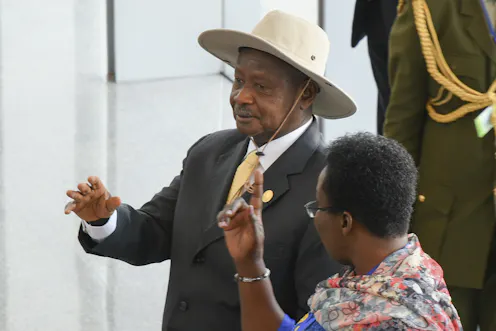
Not all African leaders are willing to be swept by the democratic reforms of the early 2000s.
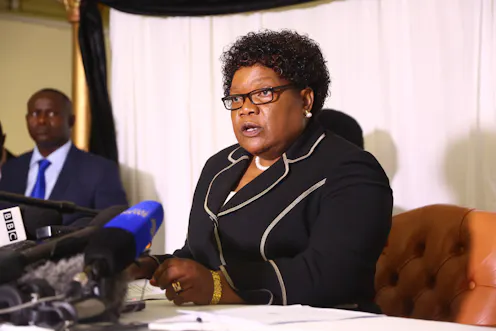
Opposition parties have emerged at different stages of Zimbabwe’s post-independence history but none have seriously threatened ZANU-PF dominance.
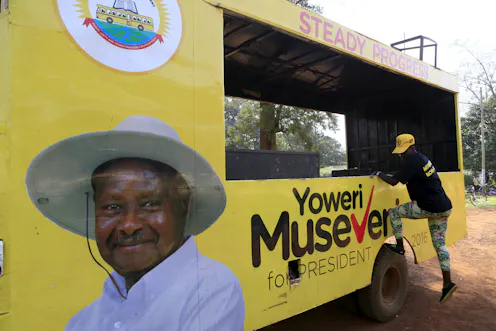
Regular changes of government through free and fair elections that reflect the wishes of the majority of citizens are a critical component of democratisation. But how significant are polls in Africa?
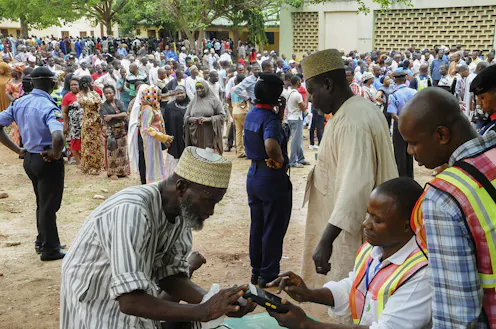
Compared to other parts of the world, Africa is not a high-flyer in the area of election management. This can be attributed to the scourge of violence, fraud, corruption and intimidation.
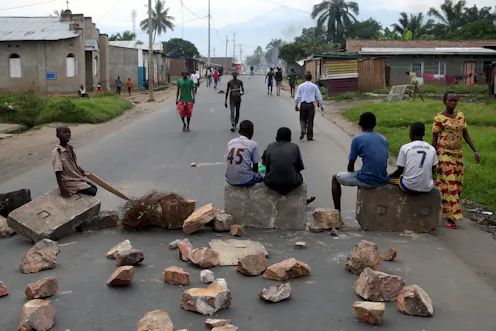
A week’s delay of one part of the voting in Burundi is not enough. Postponing the parliamentary elections only, even if it was for a longer period, would be inadequate in resolving the Burundi crisis.
Contact Kealeboga for
- General
- Media request
- Speaking request
- Consulting / Advising
- Research collaboration
- Research supervision
- Location: Pretoria, South Africa
- Website
- X (formerly Twitter): @ProfMaphunye
- Article Feed
- ORCID
- Joined
