
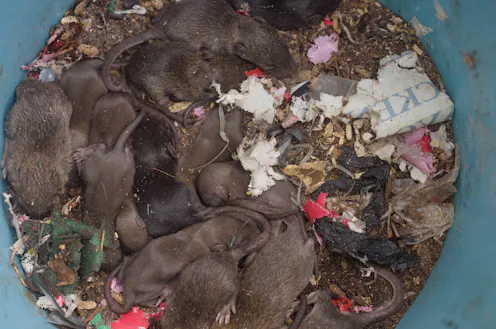
Using birth control to manage rat infestations is a temporary and inefficient approach. Any successful rat management programs would require multiple collaborative approaches.
- Assistant Professor, Faculty of Health Sciences; Senior Scientist, Pacific Institute on Pathogens, Pandemics and Society, Simon Fraser University

The CDC’s new rules for bringing dogs into the U.S., in effect Aug. 1, have been revised to make them less onerous. But they highlight the impact of such rules on the well-being of pets and people.

Many unhoused people have pets, however, accessing health care for themselves and their pets can be a challenge. ‘One Health’ clinics can provide vital health care to unhoused people and their pets.

Although millions are navigating long COVID, four years into the pandemic both patients and their caregivers continue to face challenges accessing the information and care they need.

A government program in British Columbia discovered the presence of chronic wasting disease in deer. Now, managing the spread of the disease is a priority.
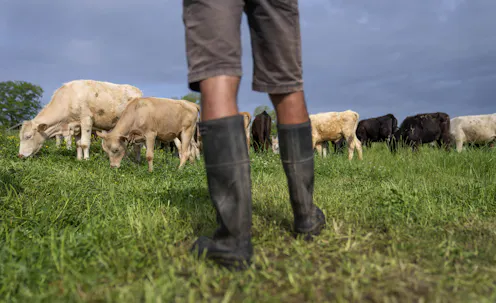
Pandemics often have animal origins, so prevention is often dominated by health and veterinary sciences. However, social sciences’ role in understanding human behaviour is also crucial to prevention.

B.C. has operated a surveillance program for over 20 years to detect chronic wasting disease, a fatal condition with no cure or vaccine. The disease has now been detected in deer in the province.

People with long COVID report that their symptoms are dismissed or not treated seriously by health-care providers. This medical gaslighting not only prevents treatment but can cause stigma and shame.

Bats have important roles to play in ecosystems, but their populations have been declining due to disease and habitat change.

Urban wildlife are exposed to more pollutants than wildlife living in natural areas. In addition to causing death, these pollutants can affect animals’ development and reproduction.
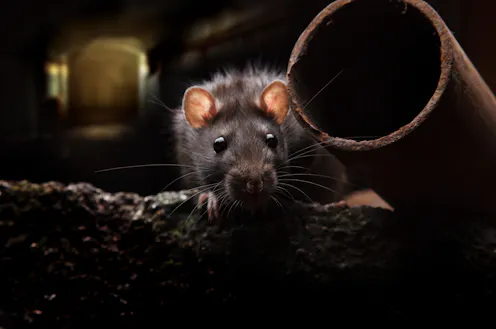
Genetic analysis shows that urban rats prefer to stay near their relatives; however, some of them migrate. Knowing this could help with pest control efforts.
Contact Kaylee for
- General
- Media request
- Speaking request
- Consulting / Advising
- Research collaboration
- Location: Vancouver, Canada
- Website
- X (formerly Twitter): @kaylee_byers
- Article Feed
- ORCID
- Joined
