
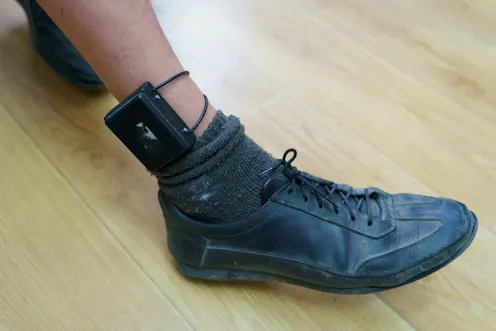
Tracking young people who are accused of serious crimes will not actually reduce youth crime - in fact, it may well entrench it.
- Senior Lecturer, Youth Work & Youth Studies, Social Equity Research Centre, RMIT University
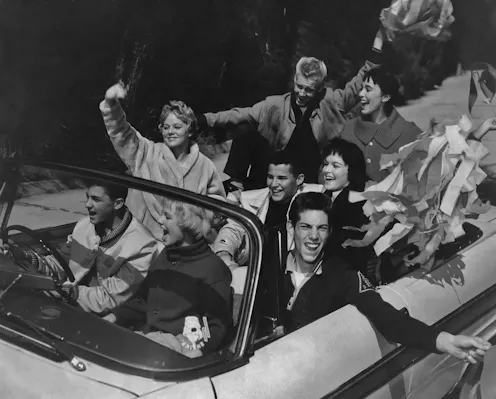
In the wake of a series of viral ‘pranks’, many are wondering why teens do such bad things. It’s not as simple as you think.

O trauma na infância pode alterar completamente a trajetória da vida de uma pessoa, mas, para outras, ele quase não as afeta. Depois de passar por um trauma, por que algumas pessoas parecem estar bem?

Childhood trauma can completely alter the trajectory of someone’s life, but for others, it barely affects them at all. After going through trauma, why do some people seem fine?

With younger people hit hardest by the pandemic’s economic impacts, it’s imperative to ensure an entire generation is not permanently disadvantaged.
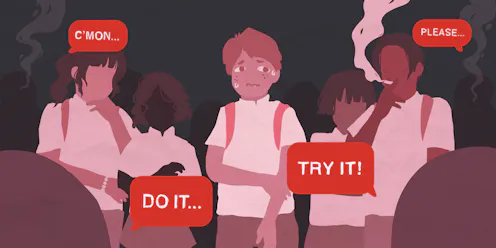
While the majority of teenagers don’t take illicit drugs, there’s still a chance you might be offered them. Here’s how to say no, according to an expert.
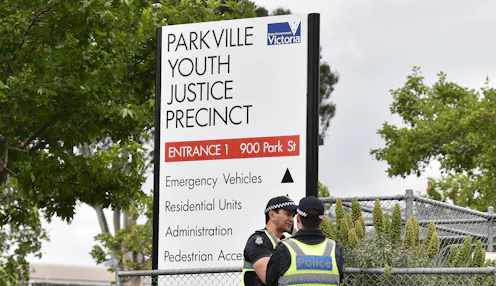
Knowing why people with troubled childhoods may be more likely to engage in criminal activity is necessary to inform the development of effective prevention and early intervention initiatives.
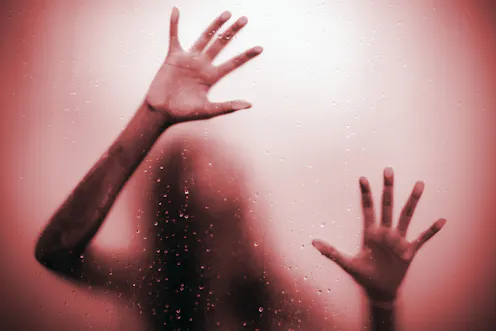
I conducted interviews with 26 young women in alcohol and drug treatment services in Victoria. More than half of them disclosed a history of sexual abuse and 20 spoke about cutting themselves.
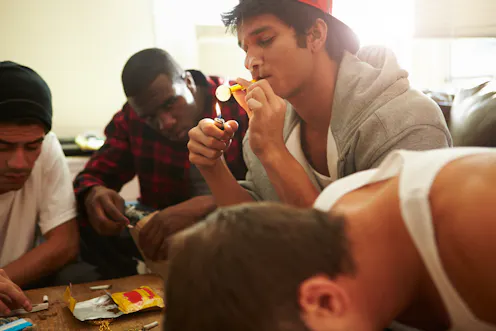
Awareness of social factors, such as society’s perpetuation of masculinity, are critical to understanding the interconnections between trauma, disadvantage and substance abuse in young men.
Contact Kathryn for
- General
- Media request
- Speaking request
- Consulting / Advising
- Research collaboration
- Research supervision
- Location: Melbourne, Australia
- Website
- X (formerly Twitter): @Kat_Daley
- Article Feed
- ORCID
- Joined
