
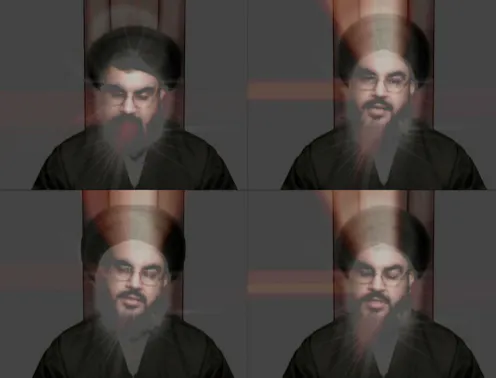
Hate speech can harm, but where does art cross the line from thought-provoking into genuinely harmful?
- Deputy Executive Dean and Associate Dean (Academic), Faculty of Humanities, Arts and Social Sciences, The University of Queensland

There are 5 key reasons why this reform should go ahead.
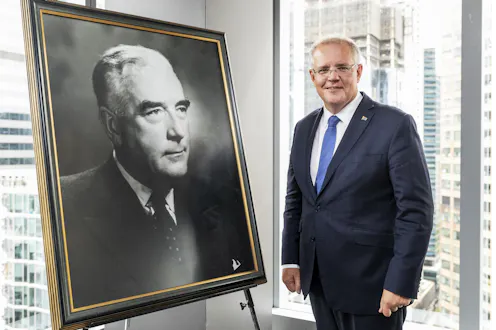
Facing protests by students and academics over its Liberal Party links and generous funding by the Morrison government, the centre’s most important test will be whether it respects academic freedom.

Australia’s piecemeal approach to regulating hate speech online isn’t working. The UK has introduced a possible better way forward.
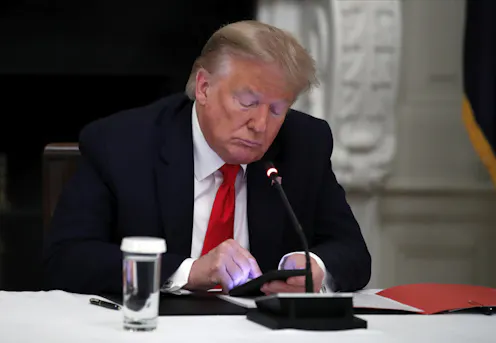
The suggestion Trump has been censored is simply wrong. It misleads the public into believing all ‘free speech’ claims have equal merit. They do not.
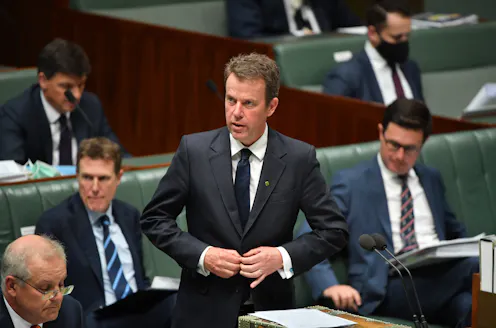
Academic freedom will be defined in law. It will keep universities busy with compliance, but the main outcome is more symbolic: the government can say it has stood up for free speech.

The pressure for universities to take action on free speech may be more about politics than anything else.
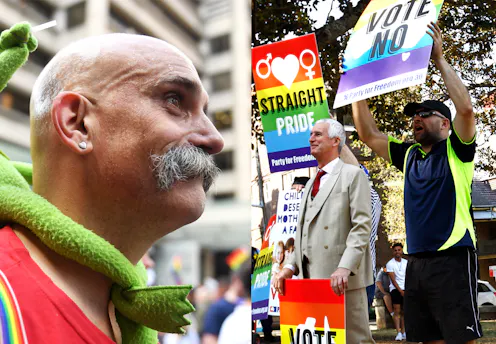
The government is spruiking its commitment to religious freedom and freedom of speech, as well as its successes on tackling inequality. Its record, however, leaves much to be desired.
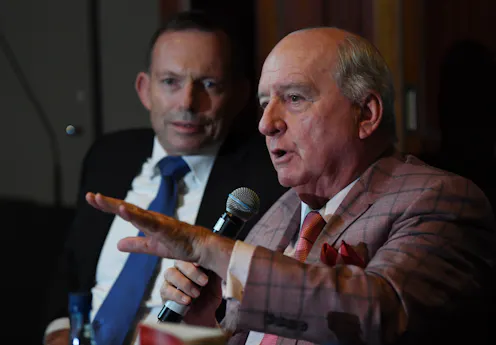
While some complaint that anti-discrimination laws stifle freedom of speech, there is good evidence that they make a more harmonious, safe and equal society.
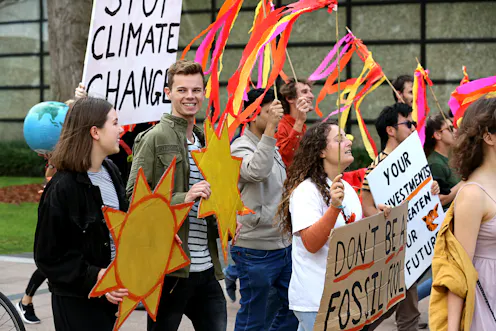
There’s no evidence we have a problem with free speech on our campuses. The free speech inquiry is expensive and unnecessary.

Most universities do, in fact, mention academic freedom in several policy documents, such as enterprise bargaining agreements and other codes of conduct.

Academic freedom is routinely recognised as an important principle that is enshrined in a range of governance policies - but staff at one university say it is under threat.
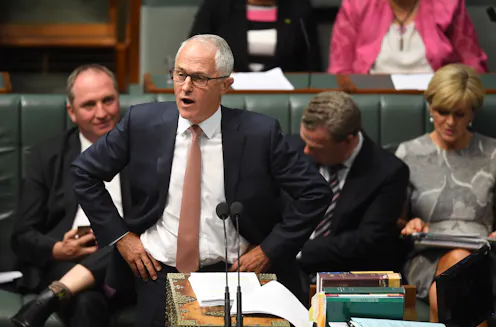
The much-anticipated report has offered little in the way of a solution to the disagreement over section 18C, so parliament should leave it as it is.
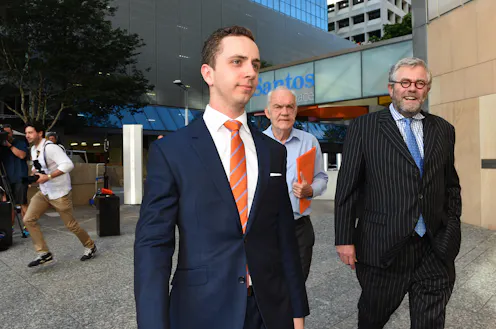
The time is right for a crash course on section 18C of the Racial Discrimination Act, its exemptions and the powers of the Australian Human Rights Commission.
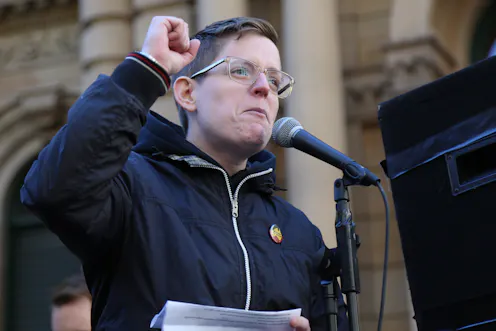
A new clause being embedded in a number of university contracts attempts to restrict academics from speaking freely in public debate about issues that are outside their area of research.
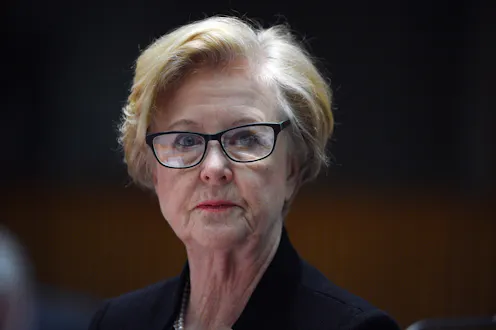
While the debate around Section 18C has raged, a host of other laws that impinge on freedom of speech have been quietly introduced.
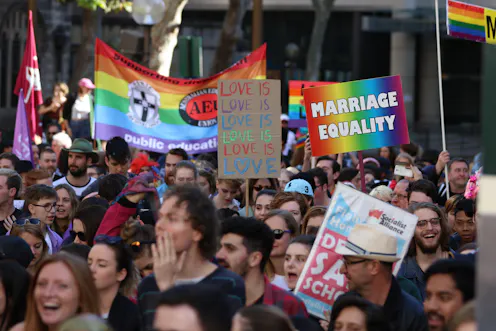
Freedom of speech does not mean you can say anything to anyone, regardless of the damage it does – an important consideration in the debate over a same-sex marriage plebiscite.
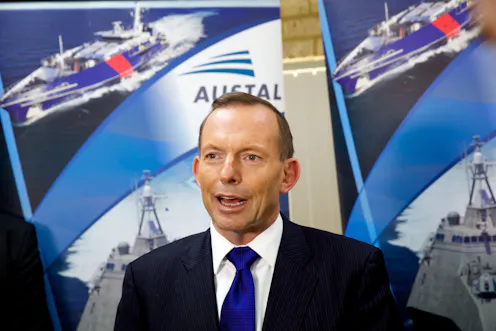
We need to find ways of speaking about the horrific actions of Islamic State that help, not hinder, understanding of the magnitude of those crimes and what needs to be done to combat them.
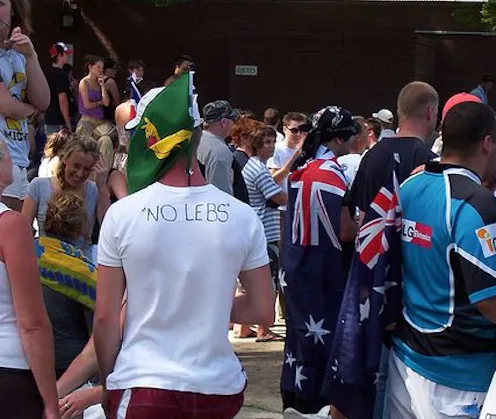
The Abbott government’s intention to amend national racist hate speech law has reignited a debate that has raged in Australia for decades: is there a place for laws that condemn public conduct that is…
Contact Katharine for
- General
- Media request
- Speaking request
- Consulting / Advising
- Research collaboration
- Research supervision
- Location: Brisbane, Australia
- Article Feed
- ORCID
- Joined
