

Our analysis suggests the Morrison government’s child-care subsidy changes won’t do much to improve the affordability of child care for many families on low to middle incomes.
- Former Education Policy Fellow, Mitchell Institute, Victoria University
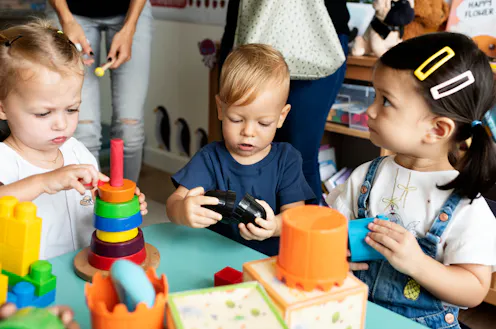
Researchers mapped the variation in preschool policies, and how they impact on what families pay, across all states and territories. Some places charge much higher fees than others.

Whether the policy benefits high-income or low-income families matters, but it also misses the point — early childhood policies need to focus on what benefits children.
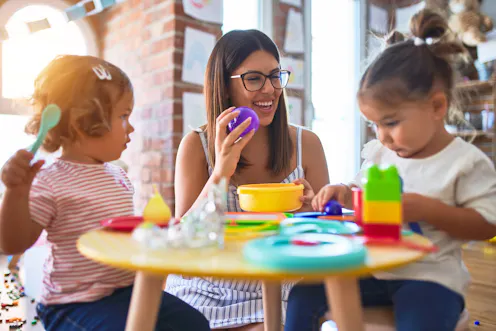
The NSW and Victorian preschool funding announcements are likely to increase the growing focus on early childhood education, which is shaping up to be a major issue.
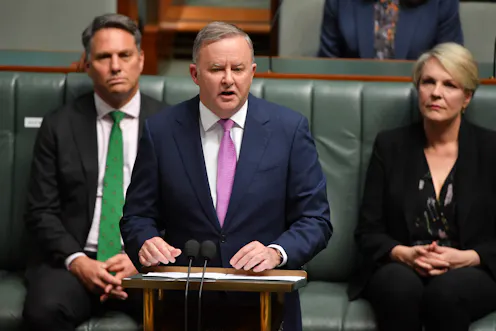
Labor’s proposed childcare measure would result in thousands of dollars saved per year. And it will make it affordable for parents who want to work more while accessing childcare.

Supporting a stable, well-funded preschool system across the country — as we do with school — is an important social and economic investment. But funding remains temporary and unstable.
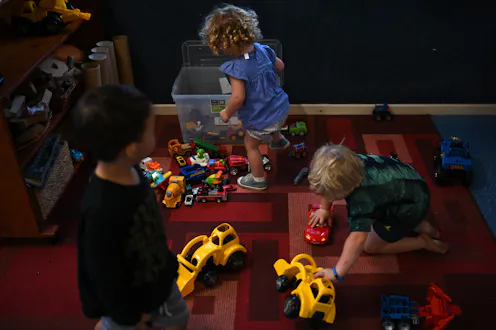
Whether families actually save anything at all depends entirely on where they live, and what provider they use.
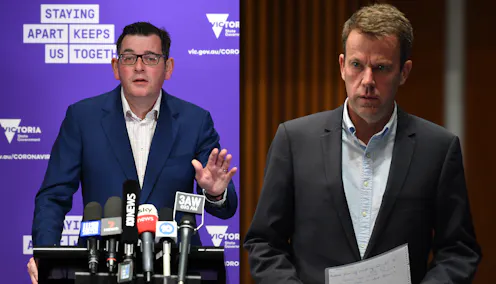
Victorian parents will have a total of 72 days of free absences from childcare, if services agree to waive the gap fee. And childcare services will receive 25% of their revenue from the government.

Most children can no longer attend childcare in Melbourne. Parents have to look after them if they’re working themselves, while the sector faces collapse if the government doesn’t step in.

The government should increase the childcare subsidy for families on low to medium incomes — either temporarily or permanently. This would involve increasing the highest subsidy rate from 85% to 95%.

Governments must ensure access to preschool for all children, many of whom will have had their learning and development affected by COVID-19. It will help children recover, as well as the economy.
The government’s emergency relief package for childcare centres has kept many from collapsing financially due to COVID-19. The transition to other arrangements must be slow and carefully managed.
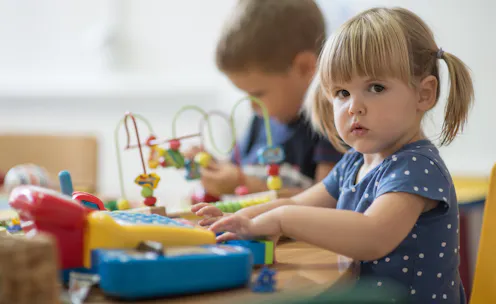
Many families already shop around for childcare and still face major barriers such as availability. And shopping around is not a realistic option for many living in disadvantaged areas.

One-quarter of children who start school aren’t developmentally ready. Play-based learning in the early years of school can help with the transition, as well as providing a host of other benefits.

If you’re confused about all the millions and billions thrown around for education by the two major parties, here’s the low-down on what the policies actually mean.

Investing in early childhood education and care can save more money in the long run – in areas including health care – than dealing with these issues later in life.
Contact Kate for
- General
- Media request
- Speaking request
- Consulting / Advising
- Research collaboration
- Research supervision
- Article Feed
- Joined
