
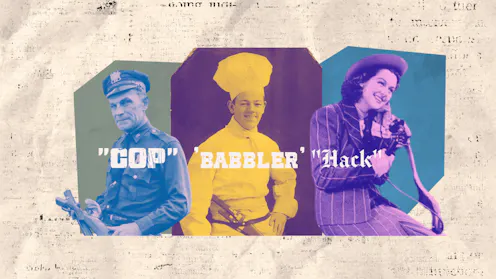
Australians love a nickname, and certain jobs are no exceptions. So whether you’re a journo, brickie, shrink or cop, there’s a rich history behind the slang.
- Professor of Linguistics, Monash University
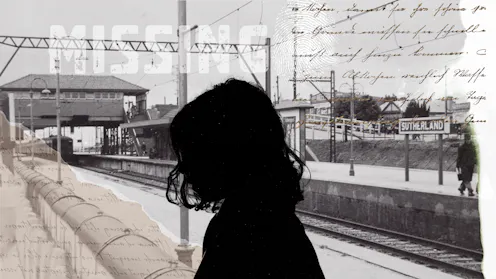
Stephen ‘Shorty’ Jamieson has been behind bars since 1988. Fresh research critically examines the confession that put him there.
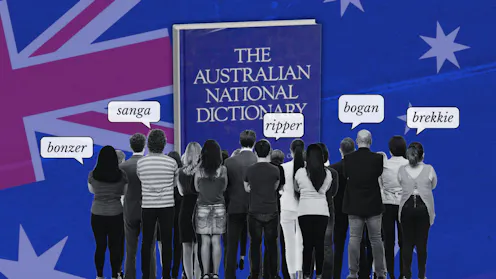
The dictionary is a living, breathing and evolving record of how language is wrapped up in who we are as Australians. It is vital we protect it.

Australians are outdone by Americans and Brits, both in how often they swear, and in how many users swear online.
Yes, some slang certainly makes its way across the Pacific. But the history between the two versions of the English language is more complex than you might think.

Like a lot of words used to describe women, ‘granny’ has taken on negative connotations - and it’s time to reclaim the word.

In political campaigns, certain words can sometimes land outsized blows. And in the 2024 presidential election, that word is “weird”.

Ever wondered where everyday things got their names? Or where words come from? Language is a powerful thing, creating new words all the time.

For Australians, it’s a love story, so baby just say “yeah-nah”.

The meanings we carry around in our heads seem so natural and inborn that we fail to realise other people can have quite different understandings.

How politicians have cynically used metaphor to imply meaning through language.

Through characters such as Bazza McKenzie, the late comedian promoted Australian vernacular – the witty, the crude and both – to new audiences.

Colloquialisms such as barbie and smoko are like accents – part of the glue that sticks Australian English speakers together.
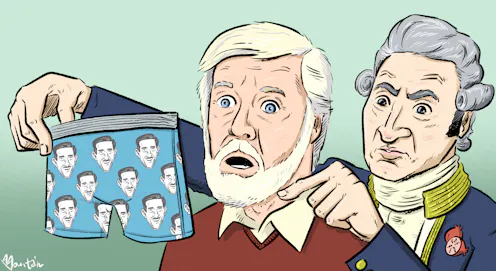
New research shows there is still a lot of love for rhyming slang – but mostly among older Australians.

The Australian summer has provided its own colourful vocabulary over the years, from Spooners to speedos and bush walks to hikes.
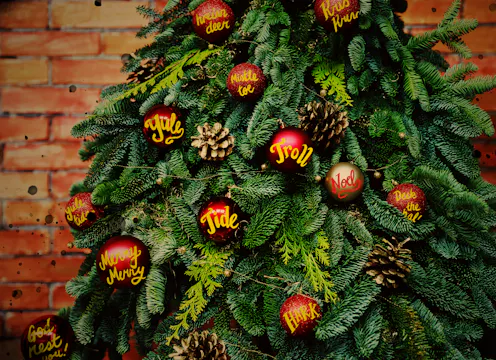
As you make your yuletide preparations, ever wonder where some of the season’s strange words come from? Well, our linguistic experts have the answers.
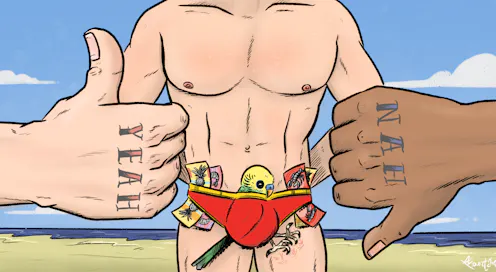
An extensive study is underway to catalogue Australian slang, its origins, and why it is such an important part of our language.

With so much recent focus on how women are treated, we need to look first at how we use language. And for a long time, it has been used to belittle and silence women.
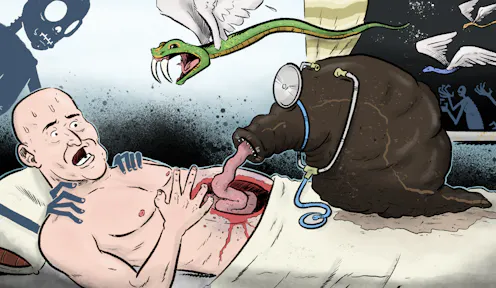
Medicine’s linguistic history in English is rich indeed, peppered with borrowings from French. But the Old English renderings retain a certain charm.
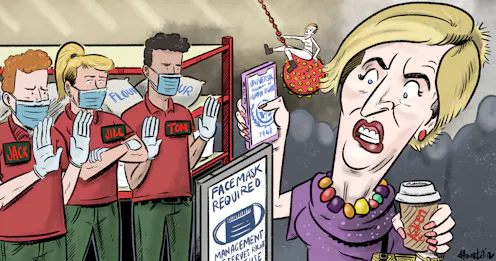
“Karen”, the name that has become code for boorish, entitled behaviour, joins a long history of names being appropriated for various purposes – often unkindly.
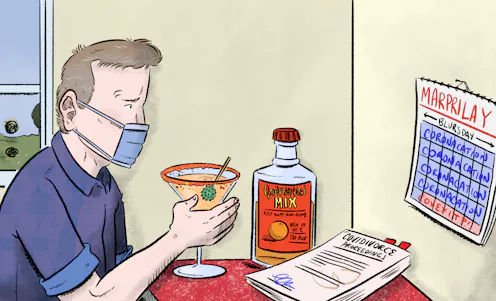
Times of crisis have always changed our slang, with the help of a little black humour. Coronavirus is no exception.

Bahasa selalu berubah dan berkembang – penyebab utamanya karena manusia selalu bergerak dan berpindah.

Languages are always changing and evolving- largely because humans have alwasy been on the move.
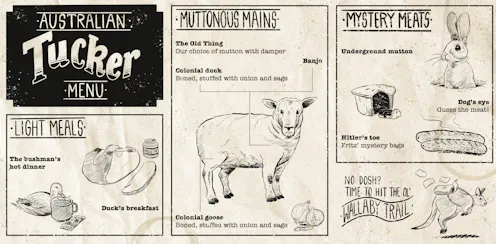
If you’re hungry for information on how we talk about food, this will put a damper on it.

We may no longer say ‘shiver me timbers’, but we still use plenty of pirate words for other things.
Contact Kate for
- General
- Media request
- Speaking request
- Consulting / Advising
- Research collaboration
- Research supervision
- Website
- Article Feed
- ORCID
- Joined
