
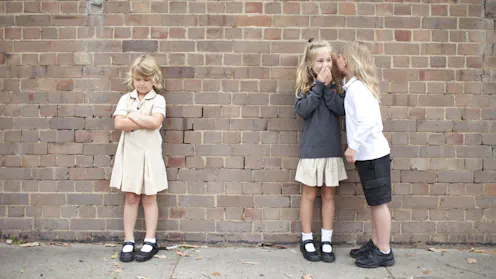
The federal government has encouraged kids to ‘stand up’ to bullies on behalf of victims. But research suggests it may not work and can even be counterproductive.
- Honorary Principal Research Fellow in Psychology, The University of Queensland
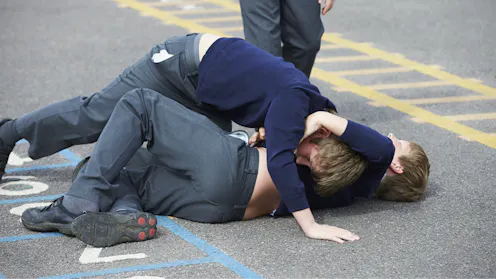
When we look at the definition of bullying, it is not surprising disagreements occur. Identifying bullying is not clear-cut.
If your child is in a different class or has changed schools, they may be missing certain friends or confused if old friends are behaving differently.
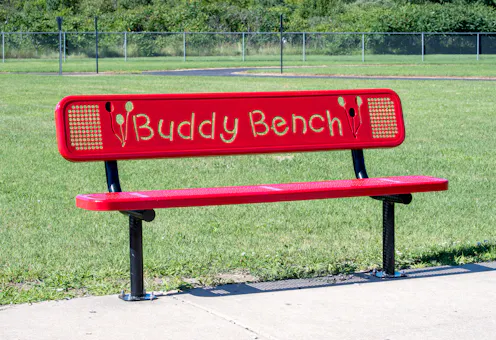
Many anti-bullying programs used in schools are based on theoretical concepts of what may work. Very few of them have been scientifically evaluated, and some may make things worse for victims.

Nous avons demandé à cinq experts si les médias sociaux étaient dommageables pour les enfants et les adolescents. Quatre sur cinq ont répondu oui.

We asked five experts if social media was damaging to children and teens, and four out of five said yes.
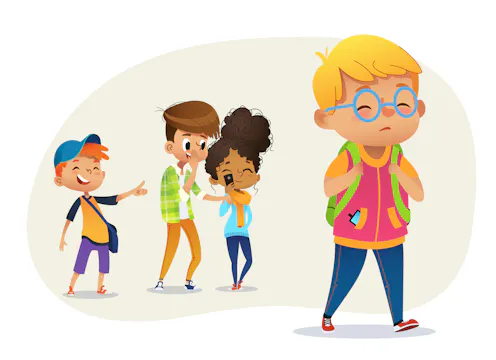
Many anti-bullying programs in schools rely on witnesses to stand up to bullies. This is good in theory but an evaluation of such programs has found in some cases, interference can worsen the problem.

Children and adolescents relate to each other through social media, for good and for bad.
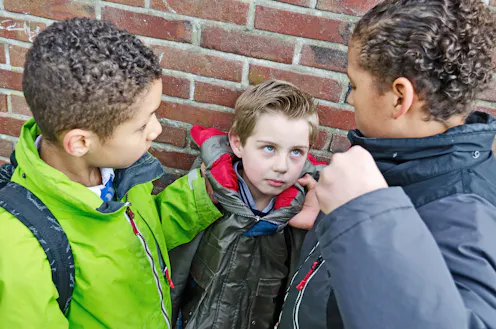
Hitting back may prevent further aggression if it is done calmly and competently, but if the child is highly emotional, fighting back will make matters worse.
Recent survey data revealed that twice as many parents of public school students reported their children had been bullied compared to private school parents.

If a child is being bullied at school should parents intervene? Talking to the school, the other parents, the other child are all options, but is it better to let your children fend for themselves?
Contact Karyn for
- General
- Media request
- Speaking request
- Consulting / Advising
- Research collaboration
What is this? Become a friend.
- Location: Brisbane, Australia
- Website
- Article Feed
- ORCID
- Joined
