
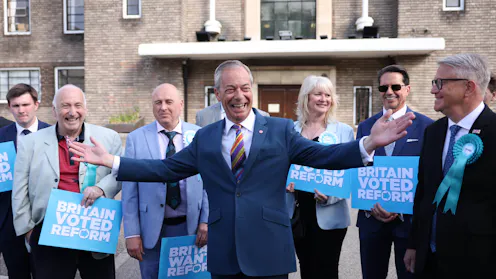
What do the results mean for Labour – and is it the end of two-party politics in the UK?
- Lecturer in British Politics/Public Policy, School of Politics and International Relations, Queen Mary University of London
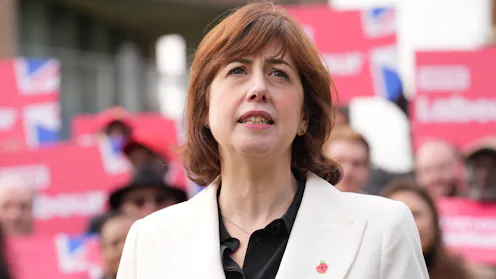
Powell beat Keir Starmer’s preferred candidate, Bridget Phillipson, in a ballot of members.
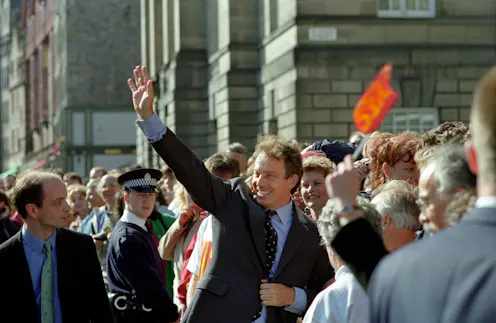
Even though Keir Starmer is more comfortable being associated with the leaders of the last Labour government than Jeremy Corbyn or Ed Miliband, this is not a return to the past.
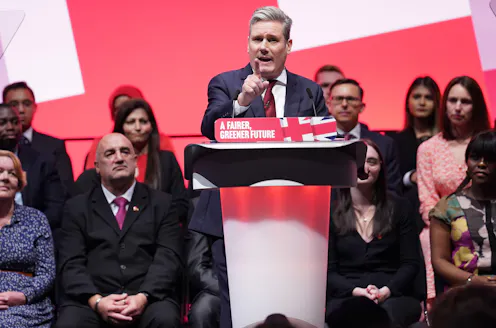
The dire economic outlook means bolder choices will be needed for an opposition party looking to win the next election.
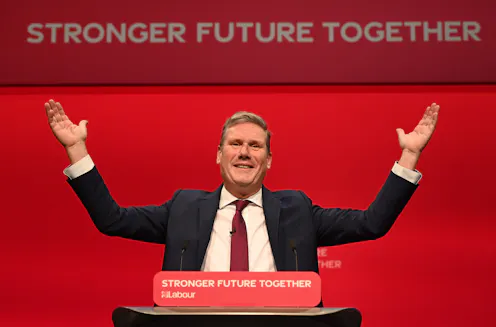
Keir Starmer used his first in-person conference speech to set his Labour party apart from the current government.
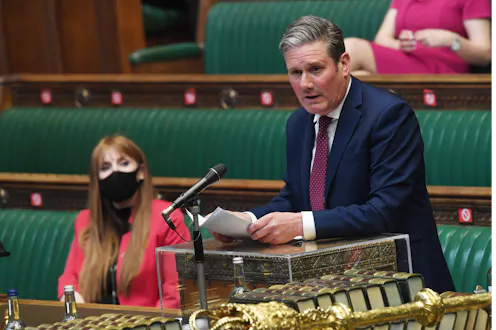
Key moments over the past year illustrate where things are going wrong for the Labour leader.
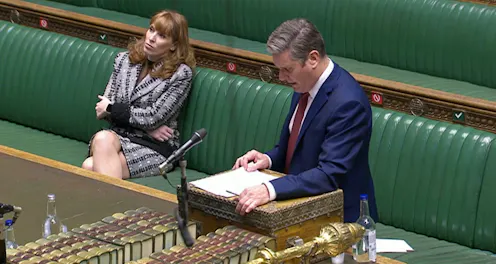
Opposing the deal isn’t really an option – but the opposition could abstain on a vote.
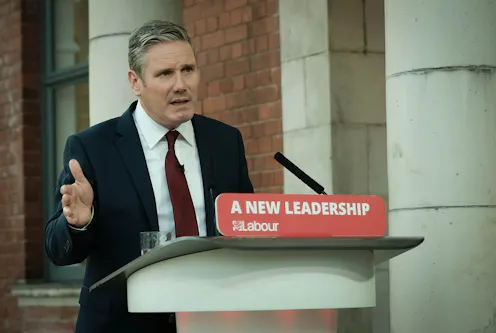
Boris Johnson was the target of heavy criticism, but so was Starmer’s own party.
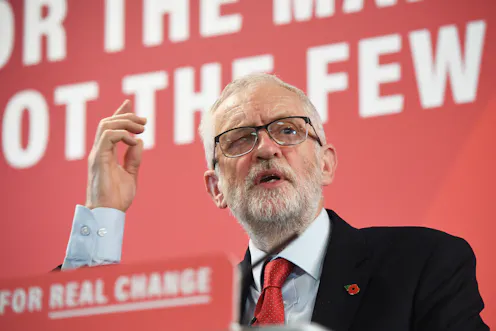
‘Why are we having this election?’ is a question that undermines Johnson’s ‘get Brexit done’ narrative.
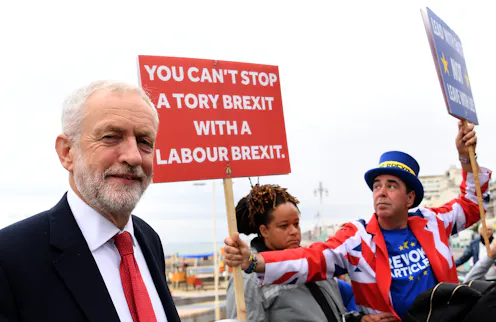
Members and leaders are at odds over the two biggest issues of the day. And an ambitious motion on a Green New Deal could make waves in Brighton too.
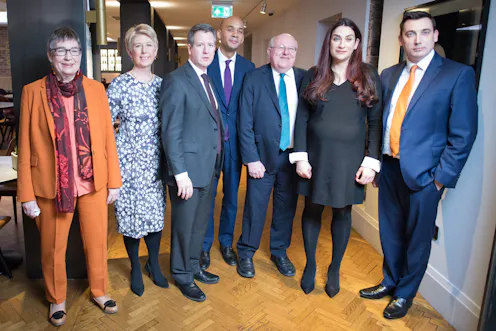
A group of MPs has cited Brexit, anti-semitism and Corbynism more broadly as motivations to leave.
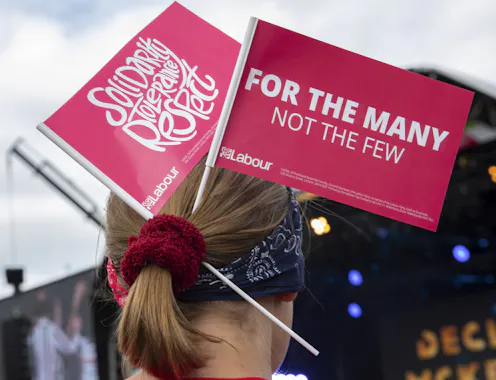
The long history of inclusivity within the Labour Party is likely to come under pressure next week.
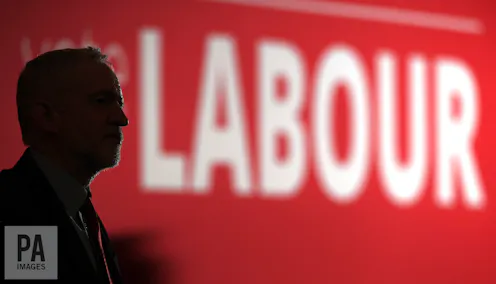
As the party faces more internal strife over antisemitism, it’s worth considering what Labour stands for.
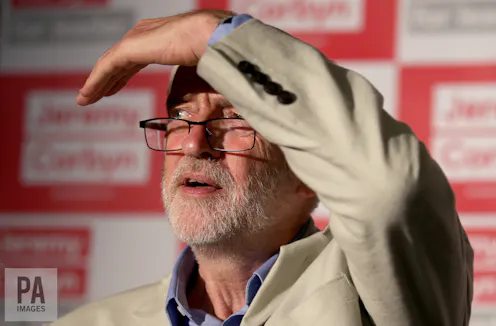
We know where Jeremy Corbyn stands on certain issues, but where is the vision? What are the ideas?
Contact Karl for
- General
- Media request
- Speaking request
- Research collaboration
- Location: London
- Website
- X (formerly Twitter): @p_ikek
- Article Feed
- ORCID
- Joined
