

A study into the experiences of first- and second-generation Haitian and Jamaican Canadians yields insight into five ways to dismantle racism that masquerades as civility.
- Dr. Coen-Sanchez, L’Université d’Ottawa/University of Ottawa

Advocacy often provokes strong reactions from those in power. This backlash deters others from speaking out and perpetuates a cycle of silence, gaslighting and compliance.

If the Canadian women’s movement doesn’t become transnational in scope, it risks continuing a colonial culture that sustains systemic barriers for women in Canada and around the world.

When speakers seek to responsibly disseminate knowledge they must be aware of their audience and how what they are saying may resonate.
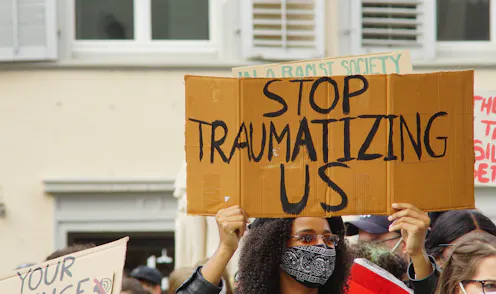
White denialism of racism provokes a narrative of ‘us versus them.’ Self-reflection and listening are among the ways to be accountable for interrupting and eradicating racism.
