
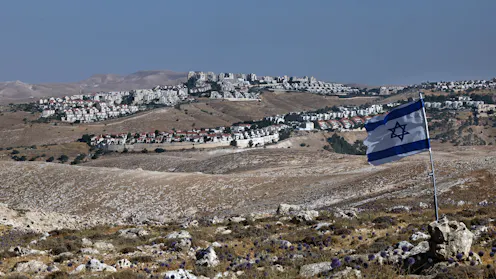
The government insists sanctioning Israel is too complex so close to an election. But New Zealand also has obligations under international law it shouldn’t ignore.
- Professor in Law, University of Canterbury
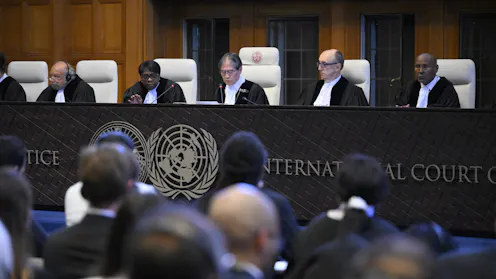
The International Court has set out clear rules for addressing climate change – and the rights of states to take legal action against others for breaching them.
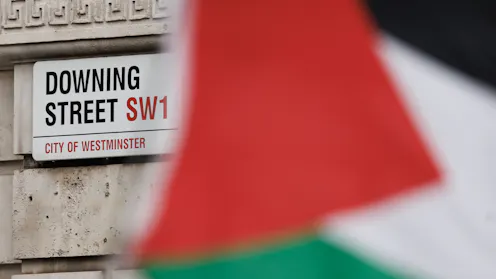
The UK has said it will recognise Palestine unless Israel agrees to a ceasefire in Gaza and humanitarian aid resumes. But this could set a dangerous legal precedent.

New Zealand’s track record in domestic marine protection is woeful and its proposal to resume oil and gas licensing offshore has been criticised by Pacific island states.

The ruling could be a legal game-changer for small island nations that are trying to hold developed nations to account for the impacts of their greenhouse gas emissions.
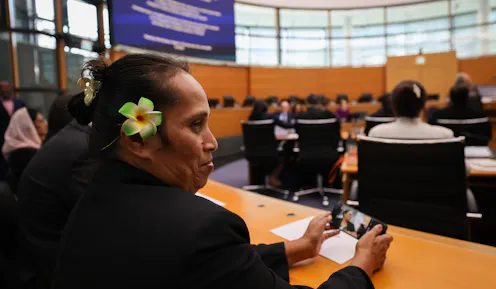
Any decision to authorise offshore drilling and other activities contributing to climate change will now need to be assessed under the law of the sea in addition to international climate agreements.
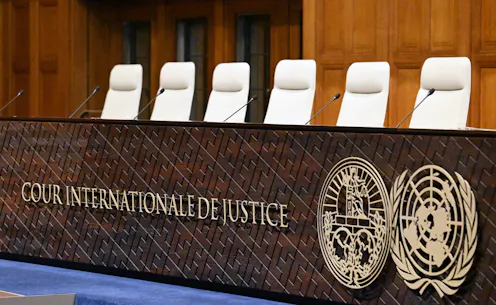
Six cases are testing international accountability mechanisms and showing how small countries like New Zealand can impact global justice.
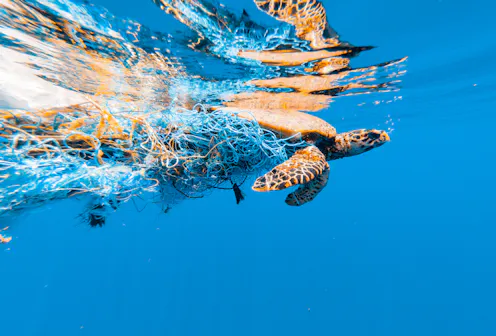
Better enforcement of existing international laws would be a much faster way of addressing plastic pollution from fishing vessels than waiting for a new treaty to be adopted.
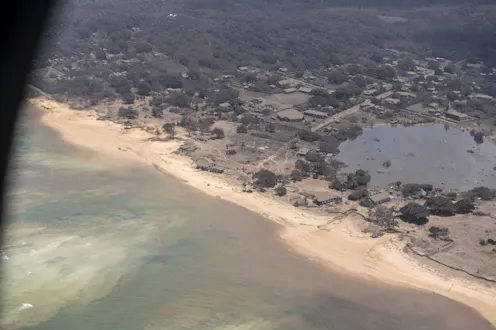
Given their vital role in communications, the global economy and security, the rules governing undersea cables need overhauling.
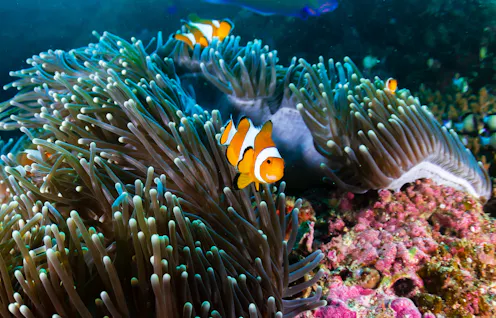
Carbon dioxide can be classed as pollution under the UN law of the sea and countries have an obligation to prevent it from entering the ocean.
Contact Karen for
- General
- Media request
- Speaking request
- Consulting / Advising
- Research collaboration
- Research supervision
- Article Feed
- ORCID
- Joined
