

After two years of COVID-19, it’s understandable that many people are weary of infection prevention measures. But simply being tired of the pandemic is no reason to let our guard down.
- Professor of Medicine and Vice President, Research, McMaster University
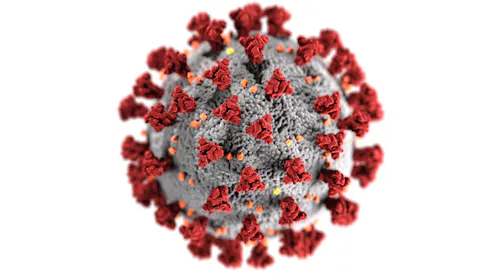
By isolating SARS-CoV-2, the virus responsible for COVID-19, researchers can now work on developing tests, treatments and vaccines in Canada.
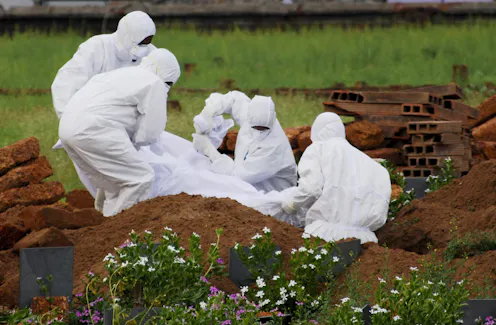
As new viruses “jump” from wildlife to humans and we struggle with antimicrobial resistance and even climate change, a new interdisciplinary approach to human health might just save the day.
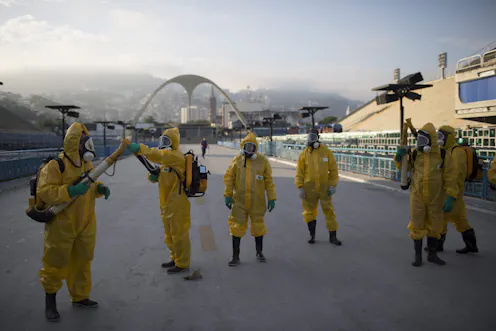
Recent discoveries of ancient viruses are helping scientists understand their origins.
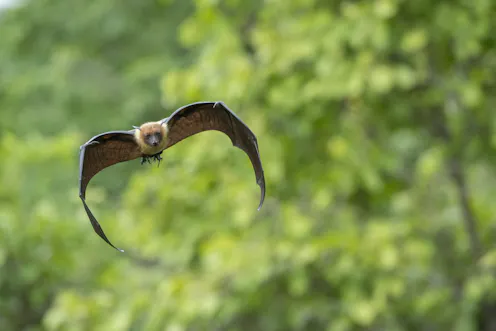
Scientific studies show that bats may carry “coronoviruses” causing SARS and MERS - without showing symptoms of disease. Could the bat immune system be key to human survival in future pandemics?
Contact Karen for
- General
- Media request
- Speaking request
- Consulting / Advising
- Research collaboration
- Research supervision
- Location: Hamilton, Canada
- Website
- Article Feed
- ORCID
- Joined
