
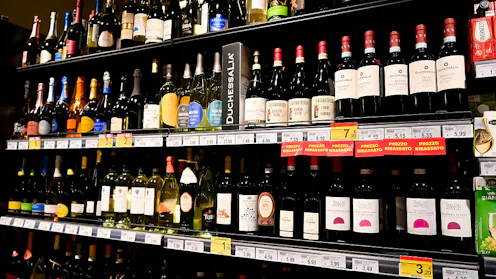
The G20 should acknowledge that diseases like high blood pressure and type 2 diabetes are part of a system in which commercial actors are causing ill health.
- Professor and Programme Director, SA MRC Centre for Health Economics and Decision Science - PRICELESS SA (Priority Cost Effective Lessons in Systems Strengthening South Africa), University of the Witwatersrand
Diabetes affects about 12% of South Africa’s adult population.
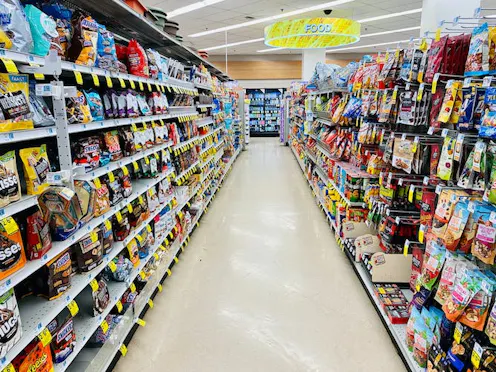
Le public supporte les souffrances et les coûts de l'épidémie mondiale de maladies non transmissibles et de l'urgence climatique qui s'accélère rapidement.

A ban on sugary drinks sale and advertisements in schools is likely to hold more promise in improving the diets of children and help prevent obesity in children than voluntary actions.
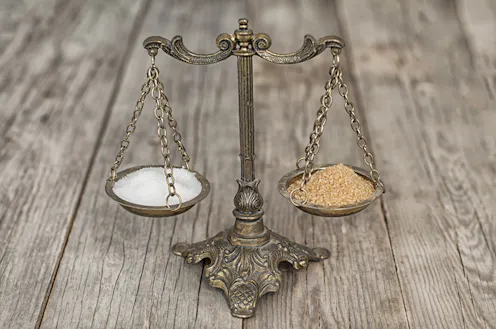
Governments must take urgent action to prevent noncommunicable diseases from becoming an uncontrollable epidemic in sub-Saharan Africa. Sugar-sweetened beverage taxation offers a potential solution.

Without reliable, local and timely data, countries will miss the potential of sugar-sweetened beverage taxation as a public health intervention.
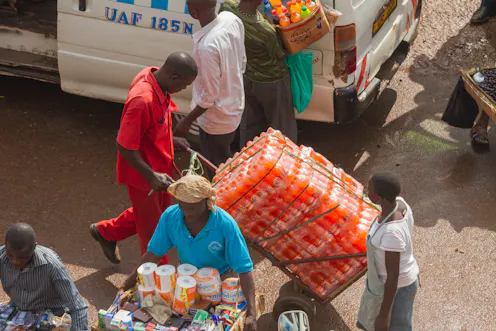
Implementing a sugar-sweetened beverage tax in all African countries will require sufficient political will and support from civil society.
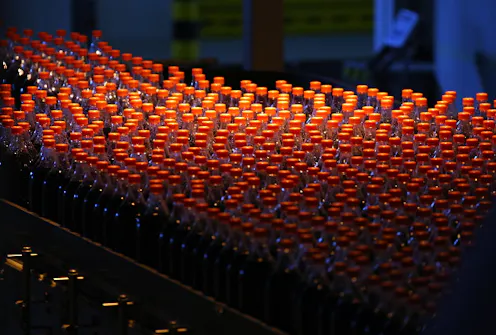
The results are in: South Africa’s ground-breaking health promotion levy, introduced in 2018, is working.

South Africa could lose many children due to a measles outbreak which is completely preventable.
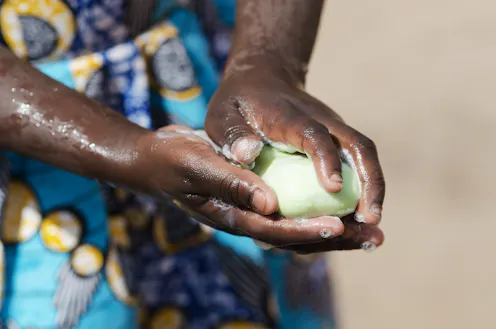
Hand washing is a tried and true, scientifically proven preventive strategy that reduces the likelihood of transmitting both viral and bacterial borne diseases.
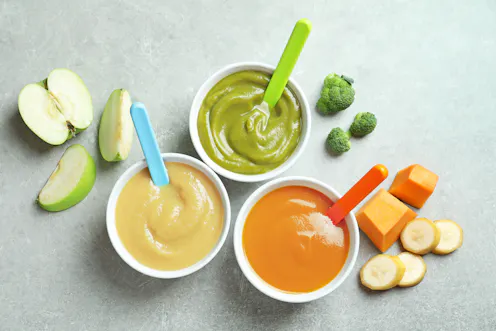
A study showed that most baby food products have a high sugar content.

Fast-food outlets outnumber healthy food stores in South Africa’s Gauteng province.
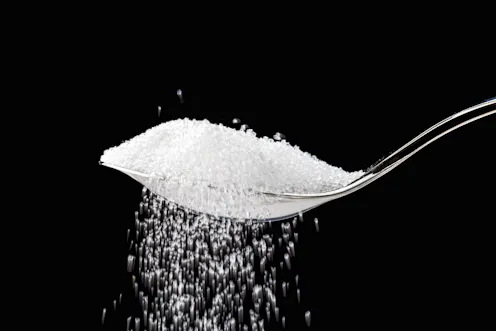
South Africa has one last hurdle to cross before it implements a sugar tax to prevent a wide-range of obesity related non-communicable diseases.
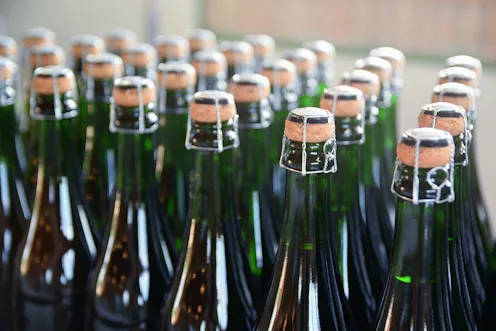
Under pressure to create new markets, big alcohol producers are scouring the African continent in what promises to yield negative socioeconomic consequences.
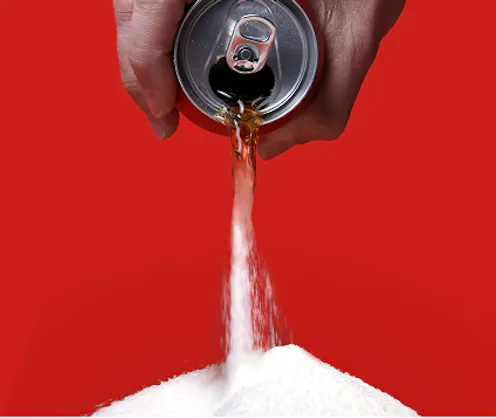
South Africa’s massive and growing obesity epidemic has much to do with people’s excessive daily sugar intake.
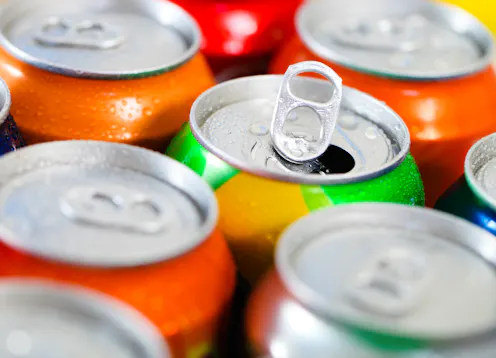
With one can of cool drink containing six teaspoons of sugar – your recommended sugar intake for the day – there is a need to reduce the number of sugar-sweetened beverages South Africans consume.
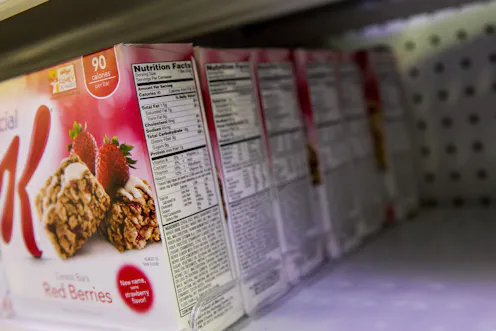
Proposed regulations to have nutritional labels on the front of prepacked foods can give South African consumers a chance to make better food choices.

For South Africa to reduce its stillbirth rate in line with its international pledges, it will have to scale up its several of its maternal health programmes.
Contact Karen for
- General
- Media request
- Speaking request
- Consulting / Advising
- Research collaboration
- Location: Johannesburg, South Africa
- Website
- Article Feed
- Joined
