
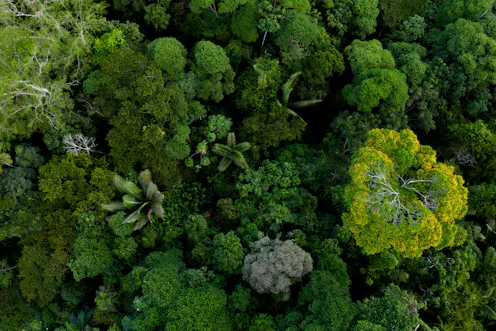
The fossil record suggests Australia may be much wetter, and look far different, in centuries and millenia to come.
- Honorary Research Fellow, The University of Melbourne
Despite cold temperatures, water was relatively abundant in much of the southern hemisphere during ice ages.
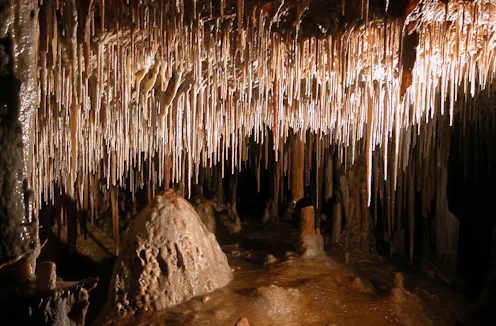
The findings will help us better understand how biodiversity responds to a changing climate over time.
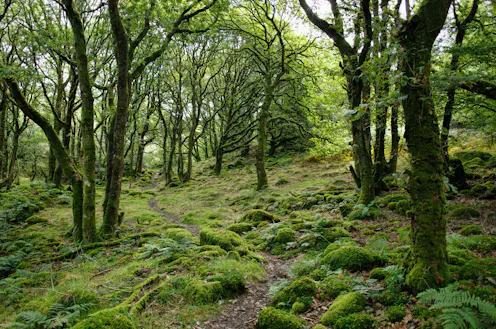
Our ability to cool the planet takes humanity into uncharted territory. In a new paper published today, researchers discuss the big unknowns in a post net-zero world.

We need new experiments to model Earth’s climate if global warming is stabilised at 1.5°C. A new paper explains why.
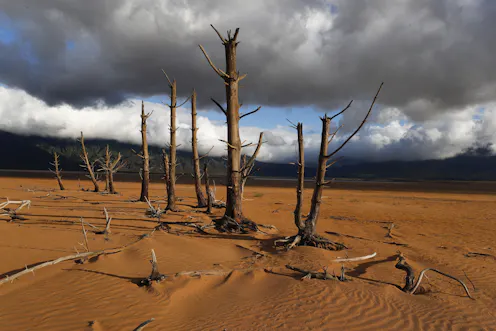
Australia’s subtropical regions are drying, but if we can slow the global temperature rise then rainfall should increase again.
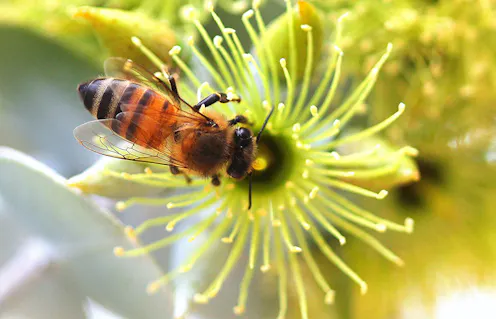
Australia’s distinctive native plants give our honey a distinctive stamp. Welcome to melissopalynology: the study of pollen.
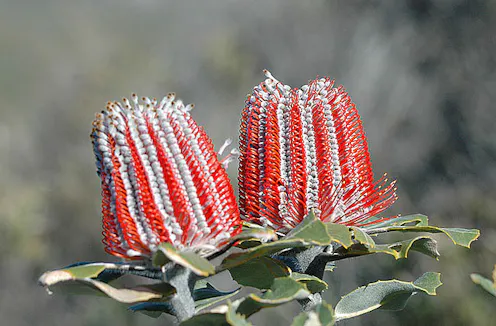
Ice Ages caused a mass extinction of plants in south-eastern Australia around a million years ago, according to a new study that presents a fresh take on how extinction shapes biodiversity. Scientists…
Contact Kale for
- General
- Media request
- Speaking request
- Consulting / Advising
- Research collaboration
- Research supervision
- Location: Melbourne, Australia
- Website
- X (formerly Twitter): @kalesniderman
- Article Feed
- ORCID
- Joined
