

Adopting a well-established strategy can help Canada avoid the dysfunctional outcomes we see repeatedly in today’s planning and assessment processes.
- Adjunct professor, Institute of Forestry and Conservation and Department of Ecology and Evolution, University of Toronto

Climate stability and economic health depend on biodiversity. Yet this foundation is hardly mentioned as the federal government seeks to shore up Canada’s economic future.
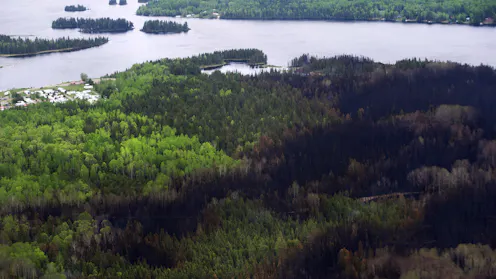
A recent study indicates that forest management in Northern Ontario is placing timber harvesting above safeguarding natural environments and compromising animal habitat.
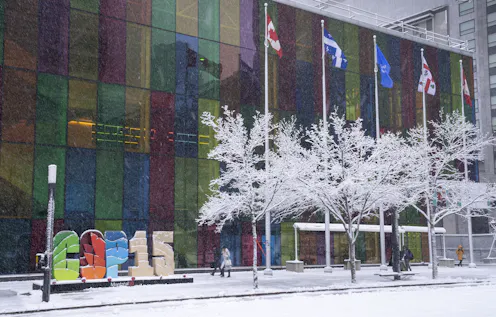
Canada’s biodiversity protection goals paint it as a world-leader in conservation. However, only its actions will reveal the substance behind these words.
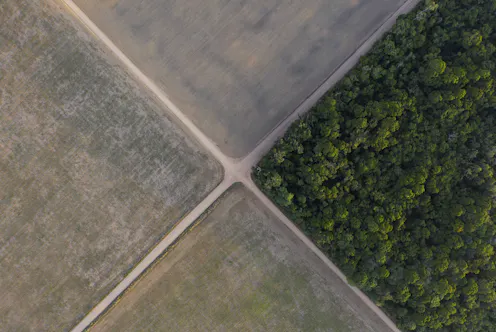
The so-called post-2020 global biodiversity framework is a nature counterpart to the 2015 Paris Agreement on climate change, and will aim to curb the decline of nature by 2050.

A bewildering array of laws and regulations cover species and ecosystems in Canada, making their protection inadequate.
Contact Justina for
- General
- Media request
- Speaking request
- Consulting / Advising
- Research collaboration
- Research supervision
- Location: Toronto, Canada
- Website
- LinkedIn: www.linkedin.com/in/ustina-ray
- Article Feed
- ORCID
- Joined
