
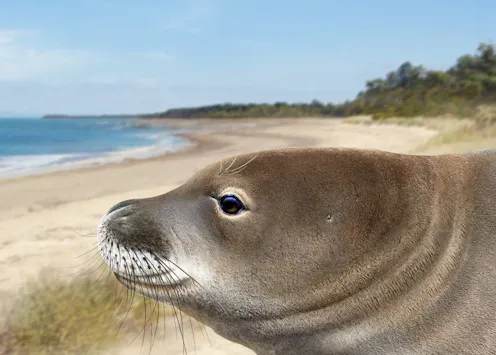
Ancient climate change doomed the monk seals that lived in Australian waters millions of years ago.
- Senior Lecturer, Department of Anatomy and Developmental Biology, Monash University
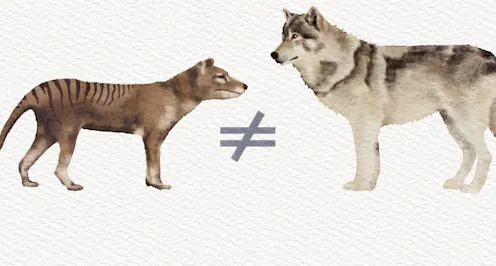
The Tasmanian tiger’s superficial appearance was so similar to a wolf’s that European colonisers assumed it was a threat and hunted it to extinction.
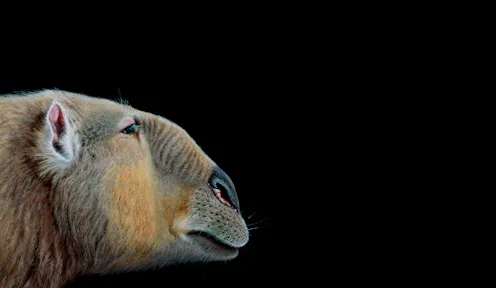
A new study shows Palorchestes had unique elbows unlike any other mammal, which may have contributed to its extinction.
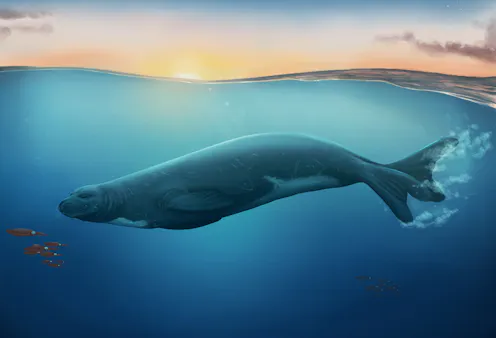
This newly discovered ancient monk seal is challenging previous theories about how and where monachine seals evolved. It’s the biggest breakthrough in seal evolution research in about 70 years.
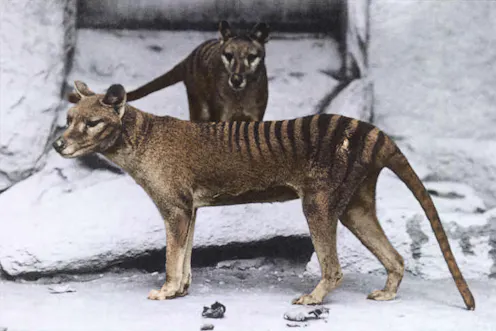
The “Tasmanian tiger” was hunted to extinction based on its perceived size as a predator big enough to take sheep. But it seems this was just a tall tale, and the thylacine weighed just 16.7kg.
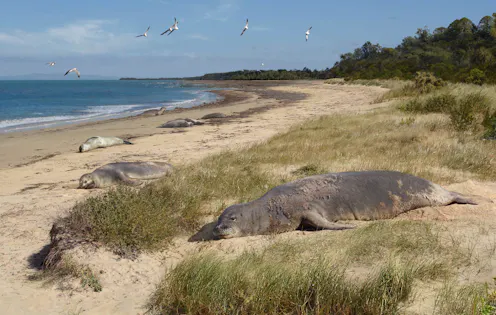
Our new research has more than doubled the known fossil record of seals in Australia.
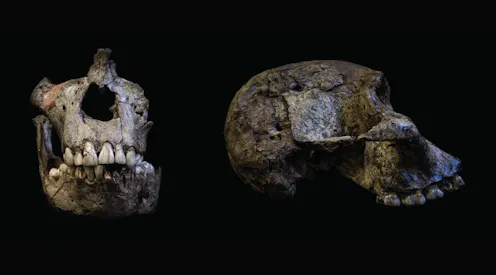
A new study shows the enigmatic hominin species Australopithecus africanus may have breastfed young for around 5-6 years – a very costly practice for the mother.
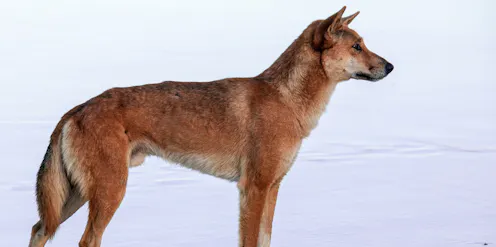
Of all Australia’s wildlife, one stands out as having an identity crisis: the dingo. New research has found the dingo is its own species, distinct from ‘wild dogs’.
Contact Justin for
- General
- Media request
- Speaking request
- Consulting / Advising
- Research collaboration
- Research supervision
- Article Feed
- ORCID
- Joined
