

Long before the modern degrowth movement, Islamic economic thought placed limits on consumption, challenged wealth concentration and treated economic activity as a moral question.
- Associate Professor, Economics, MacEwan University

Calls to decolonize economics challenge the discipline’s foundational assumptions about development, markets and inequality.

Concern about the viability of ongoing economic growth offers a chance to spotlight accessible reading about fairer economies.
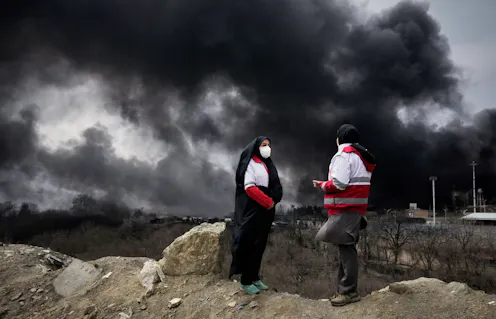
Studying the economics of war reveals how some democracies start wars and commit human rights abuses while corporations profit.

Was Cinderella’s happy ending with Prince Charming really largely the result of personal ambition? This is the kind of question I address in the course Economics for Everyone.
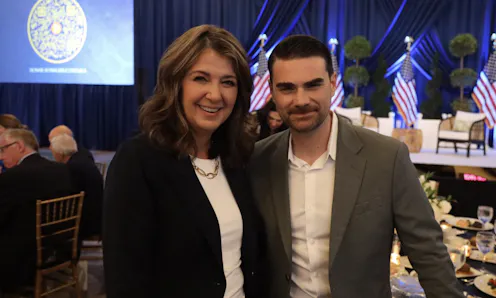
Danielle Smith’s approach to Trump’s tariffs against Canada reflects an outdated economic approach to tariffs that involves inertia or sheer subservience.

Mainstream economics has been complicit in the climate change crisis as it falsely treats climate change as a mere side-effect of production or a minor aberration.
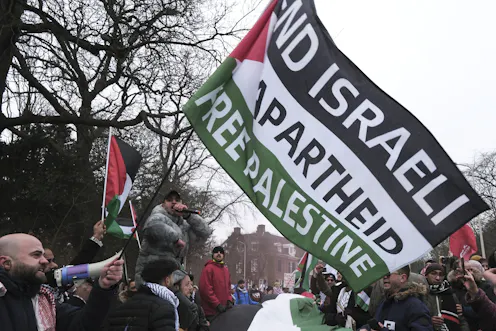
Real and perceived economic grievances often fuel extremist groups like Hamas. Here’s how the economic basics of supply provide a way to tackle terrorism.

The Alberta government has a vital role to play in preventing low-income Albertans from being exploited by the deregulated electricity market.

Muslim teachings on sexual and gender diversity are far more diverse than what many conservative groups would like us to believe.

The conventional narrative on corporate tax increases relies on ‘zombie ideas’ that pander to corporate interests, harm the public interest and refuse to die.

The Alberta government’s report on the supposed ills of the minimum wage should be viewed within the vast, diverse spectrum of economic literature, not just standard economics.
