
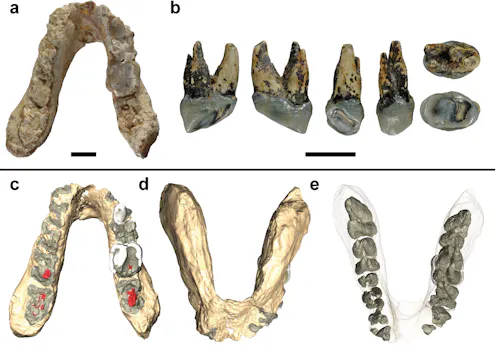
The theory that humankind originated in Europe is an old one. It was abandoned in 1924 when the first Australopithecus was discovered in South Africa.
- Associate professor in Vertebrate Palaeontology, University of the Witwatersrand
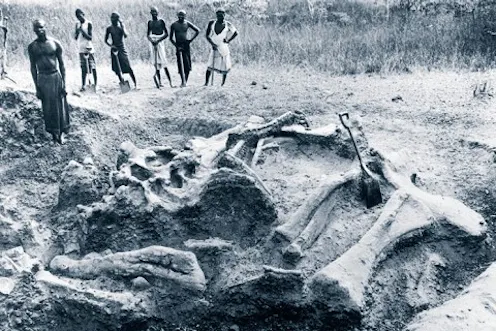
Africa has one of the world’s richest fossil records, and evidence suggests that amateurs collected really important fossils long before professionals arrived on the scene.
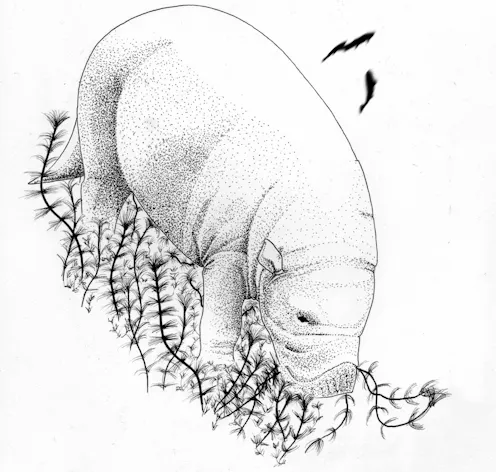
Sea cows (Sirenia) descended from four legged mammals that roamed Africa when this continent was isolated. They belong to the Afrotheria, the ‘African beasts’.
CT scanning allows scientists to observe and “dissect” fossils digitally using computer software - and to uncover secrets that are hundreds of millions of years old.

Much like the hair you carefully rearrange before a selfie, your cheek muscles and the accompanying smile date back about 250 million years.
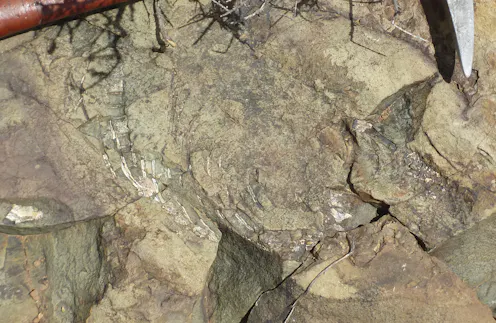
Good science isn’t rooted in chance. It’s based on people with expertise being in the right place at the right time, equipped with enough knowledge to know what they’re looking at.

Mammals’ ancestors had a third eye and the fossil record of its disappearance tells us the story of the evolution of one of our most important features: warm blood.
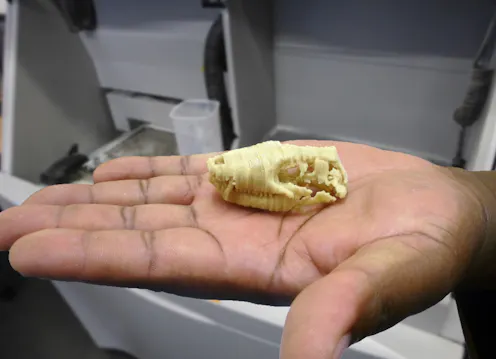
An old technique to explore the inside of fossils unfortunately ended up destroying some unique specimens. New technology has been used to reconstruct one such fossil.
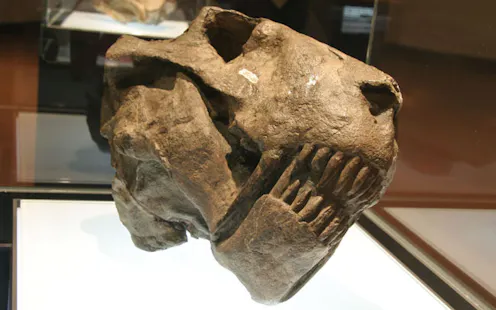
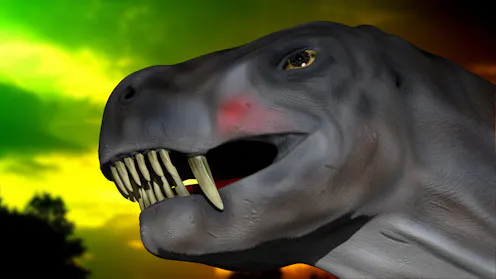
Modern sabre-tooth mammals have their canines constantly on display. This allows them to seduce mates. But was sexual selection also an important phenomenon among our pre-mammalian ancestors?
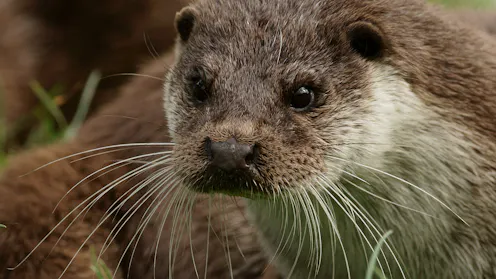
A tiny pit on mammal-like animals’ snouts has revealed a great deal about how mammalian hair originated.
Contact Julien for
- General
- Media request
- Speaking request
- Consulting / Advising
- Research collaboration
- Research supervision
