

L’enfance n’était pas plus « innocente » ou « naturelle » avant les technologies numériques ou la pandémie.
- Professor of Teacher Education, University of Toronto

Childhood wasn’t more ‘innocent’ or ‘natural’ before digital technologies or the pandemic.
Lorsque les enseignants utilisent leurs souvenirs pour examiner comment les écoles affectent les chances des enfants sur la base de leur identité sociale, ils imaginent une éducation plus équitable.
When teachers use memories to examine how schools unequally affect children’s life choices and chances on the basis of social identity, they’re able to imagine more equitable education.
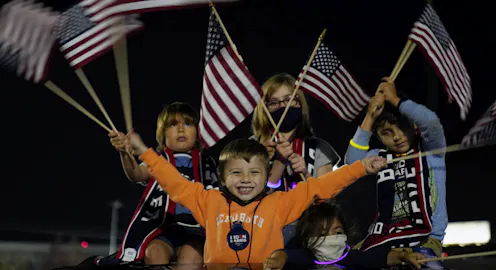
What happens over the next four years in Joe Biden/Kamala Harris administration could have a lasting impact on how childhood is understood and experienced in the United States and beyond.
World Children’s Day is an opportunity to acknowledge children for who they are, the many things they know and what they are capable of right now.
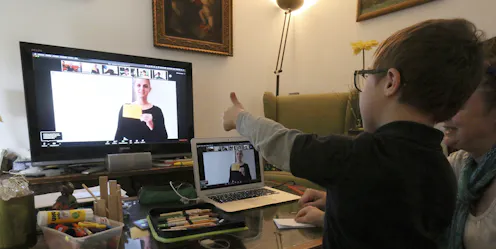
These are difficult and dire times, but holding on to the myth of childhood innocence won’t make this crisis any easier.
ClassDojo, the popular classroom behaviour management and communication system, is said to facilitate community and message-sharing. But who is asking how children are impacted?
Contact Julie for
- General
- Media request
- Speaking request
- Consulting / Advising
- Research collaboration
- Research supervision
- Location: Toronto, Canada
- Article Feed
- ORCID
- Joined
