
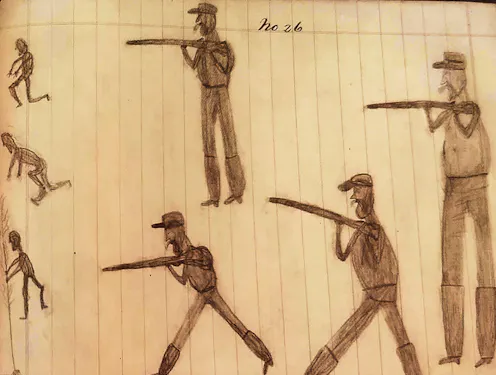
Killing for Country does brilliantly for one group of families what a robust, locally grounded truth-telling process might do for the whole nation.
- Professor Emeritus of Media and Culture, Griffith University, Griffith University
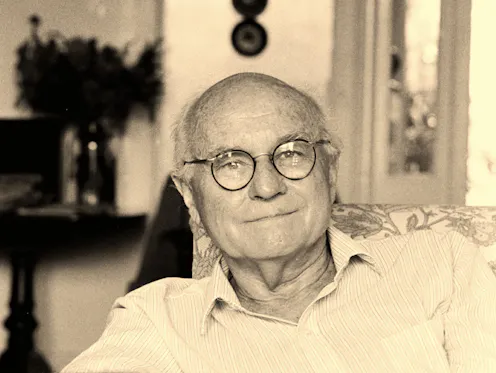
Donald Horne’s genius was his ability to capture on the page a personal intellectual journey that reflected one the nation was also taking.
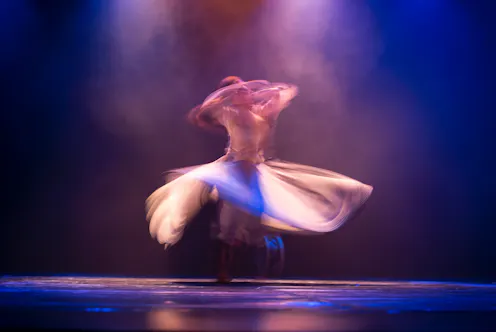
Breathing new life into a decade-old national cultural policy is a useful beginning. What is required now is an in-depth gestation period to position culture as a public good for the nation.
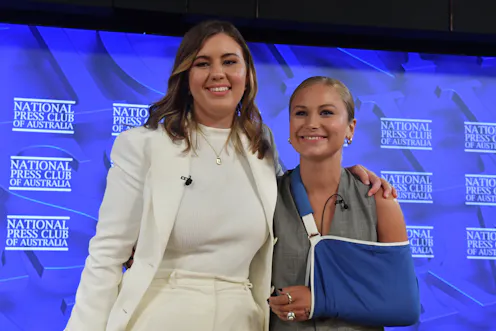
Australia’s political economy was built on the primacy of (white) male labor, male power and male control, writes Julianne Schultz. Women have changed this culture - but still risk abuse when speaking out.
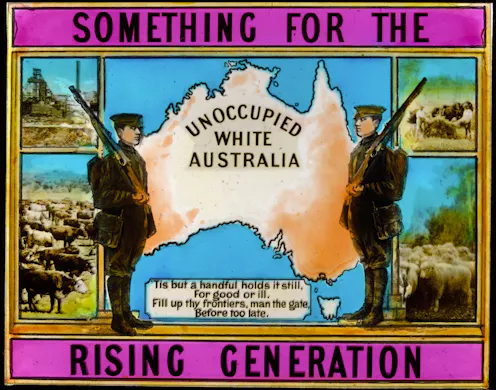
Exclusion has been central to utopian ideas of Australia since before Federation. It still lingers. To progress in this climate-challenged century, Australia’s foundational wrongs must be righted.
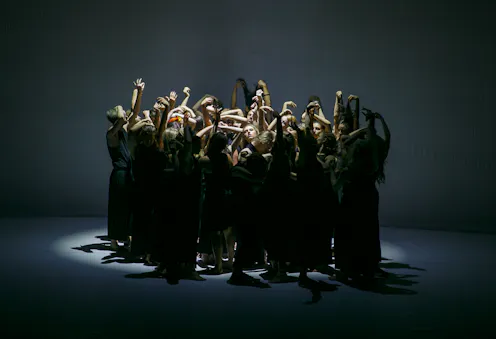
Where the policy debate has focused on a need to ‘rescue’ the cultural sector from the ill-effects of COVID-19, the emphasis must now be on growing it as part of a wider program of public investment.
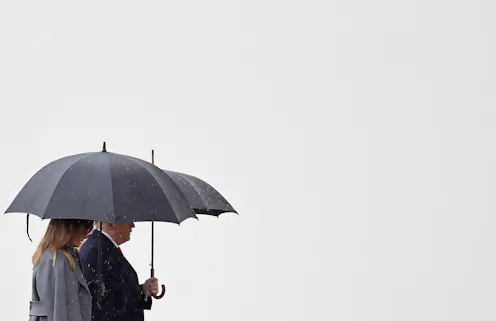
US president Donald Trump’s industrial scale deception has dangerous implications everywhere. What then, can we do to foster a more civilised society?
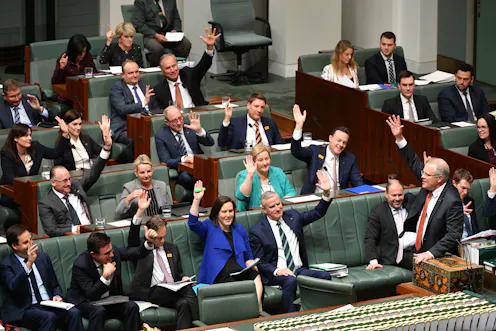
We need a new national narrative, for reasons of diplomacy, trade and social cohesion and to grapple with many global challenges. The humanities and social sciences will be vital in shaping it.
We are so accustomed to hearing about American exceptionalism that British exceptionalism is rarely discussed.
Making self-interest seem normal and a commitment to fairness an elite aberration has been a long-term project.
The creative arts can activate emotion – the key to action – more powerfully than the average demagogue.
In a global era dominated by Facebook, Apple, Amazon, Netflix and Google, we need to find persuasive, creative ways to answer those who claim the national and local are now irrelevant. If we don’t, we will become invisible.
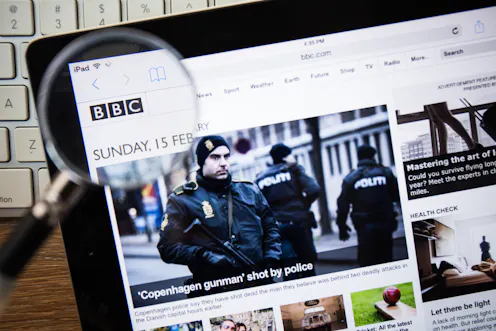
Repeated surveys show that people value public broadcasters highly. But the political class isn’t listening.

Every country has its most symbolic year from each of the world wars, and can trace the consequences of the bloodletting that accompanied the global realignment of the last century.
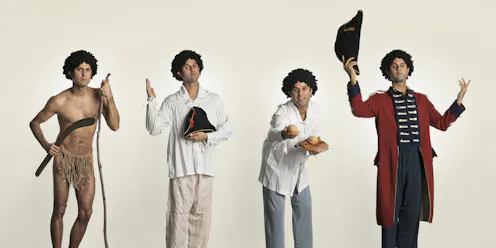
Australia today is very different to the place I grew up in: our culture has changed and is changing, but public discussion is still framed by old tropes. We need a new shorthand to capture the reality…
Contact Julianne for
- General
- Media request
- Speaking request
- Consulting / Advising
- Research collaboration
- Research supervision
- Location: Australia
- Website
- X (formerly Twitter): @JulianneSchultz
- Article Feed
- Joined
