
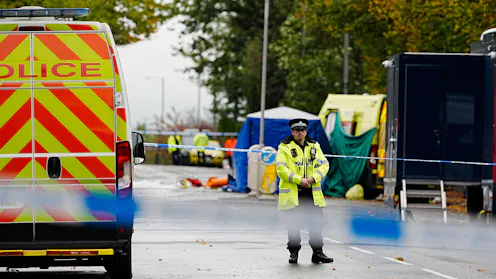
The data on antisemitic attacks is patchy but nevertheless revealing.
- Senior Lecturer, Department of Sociology and Criminology, City St George's, University of London
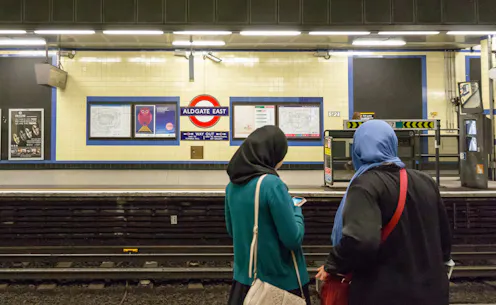
Previous definitions have been controversial, failing to unite politicians, academics and British Muslims, and leading to charged debates over free speech.
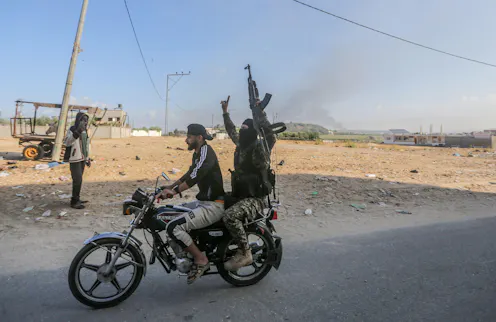
The fatwa says the October 7 attacks broke Islamic law which forbids harming civilians, including women and children, during war.

Repairing the damage will take more than leadership in Israel-Palestine.

Rooting the definition of ‘Islamist extremism’ in Islamic concepts, not British values, reduces the risk of the British state implying that Islam stands apart from British society.
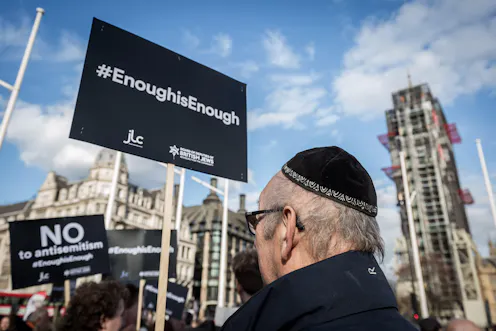
Latest figures show antisemitism in the UK is on the rise, with new expressions of anti-Jewish hatred merely reviving older ones.
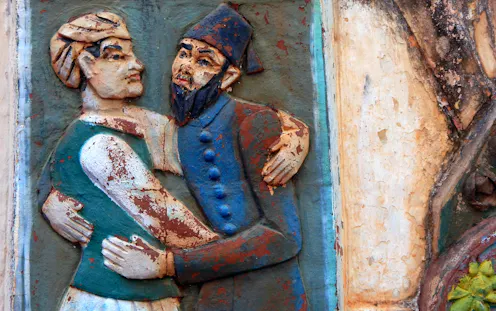
Interfaith, peacebuilding and what can happen when people of different faiths work together.
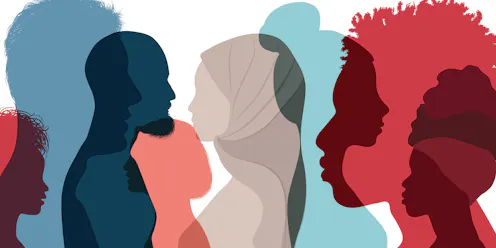
What the largest study of diversity attitudes found from a survey of 11,000 adults in England and Wales in 2020.
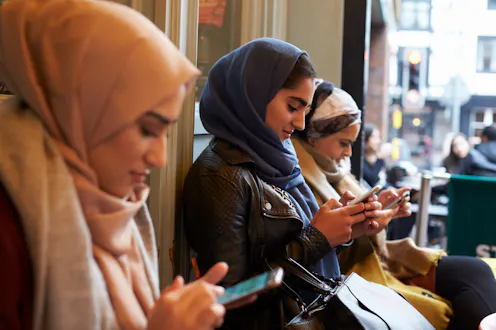
We hear much from politicians, community leaders and experts. But what do ‘everyday’ Jewish and Muslim people find offensive?
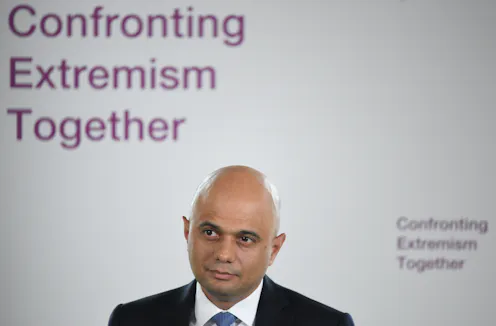
A survey by the Commission for Countering Extremism revealed many don’t feel able to define extremism – or found the government’s definition helpful.
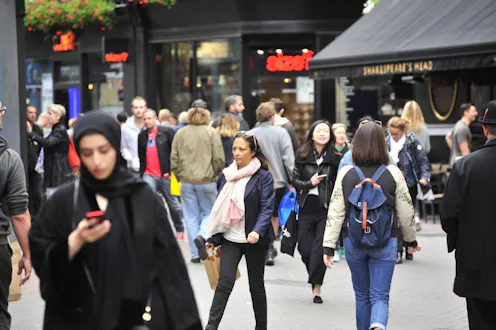
Despite the publication of promising new statistics on referrals to the Prevent counter-terrorism programme, the strategy remains a blunt instrument.
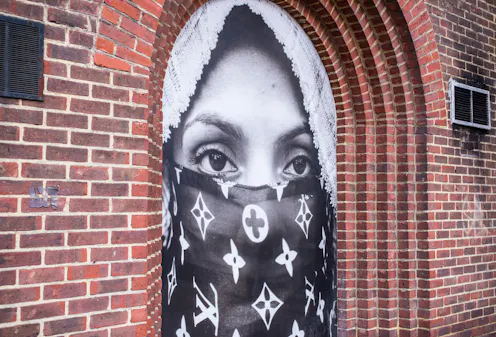
A new study finds Muslim women in the UK live in an atmosphere of prejudice.
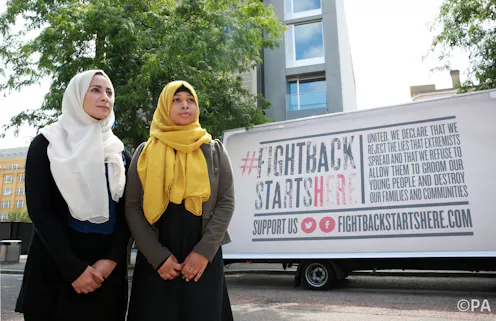
Discussions about the government’s Prevent strategy have ended up in a pointless and unproductive deadlock.
Contact Julian for
- General
- Media request
- Speaking request
- Consulting / Advising
- Research collaboration
- Research supervision
- Location: London, UK
- Website
- Article Feed
- ORCID
-
- Joined
