
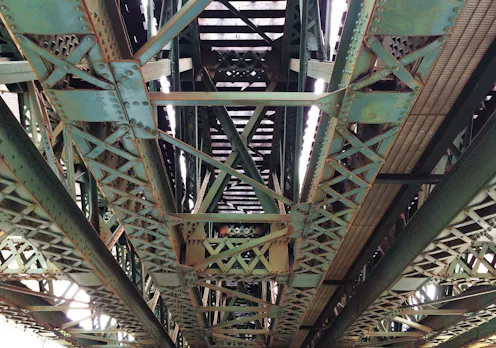
What will the US$1.2 trillion infrastructure bill pay for? Here are some of the things it will help build, fix or remove.
- Professor of Urban and Environmental Policy and Planning, Tufts University
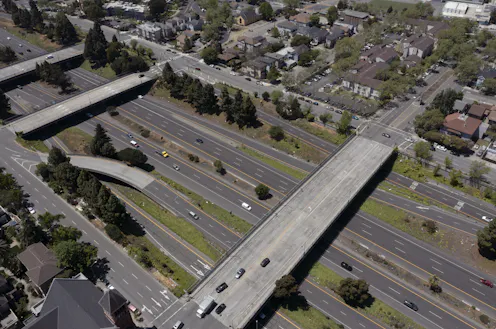
Two urban policy experts explain why taking down highways that have isolated low-income and minority neighborhoods for decades is an important part of the pending infrastructure bill.
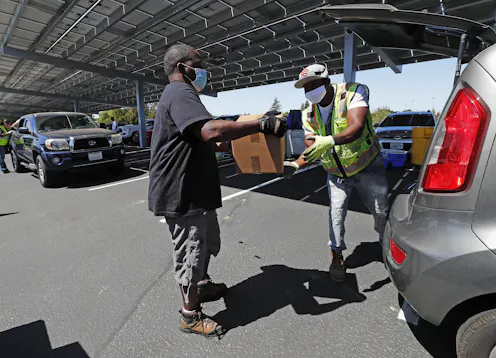
This is a transcript of episode 16 of The Conversation Weekly podcast The racial hunger gap in American cities and what do about it. In this episode, we look at some of the reasons behind racial disparities…
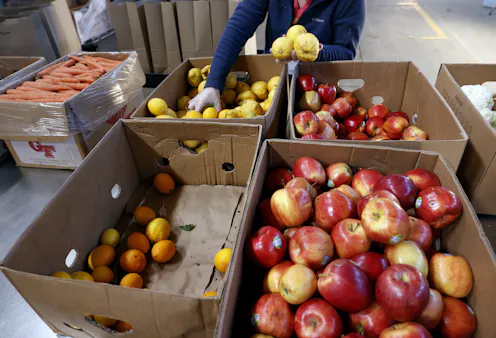
Plus, the discovery of the first known burial in Africa. Listen to episode 16 of The Conversation Weekly.
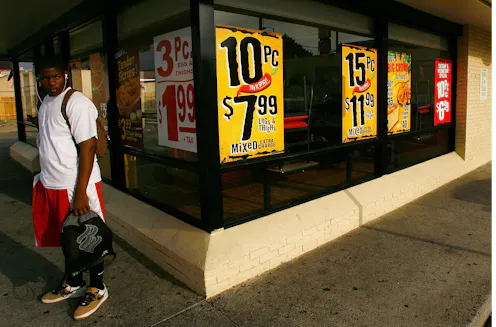
Discriminatory zoning and housing policies have concentrated poverty in America along racial lines. As a result, healthy food options are limited in many low-income and Black neighborhoods.
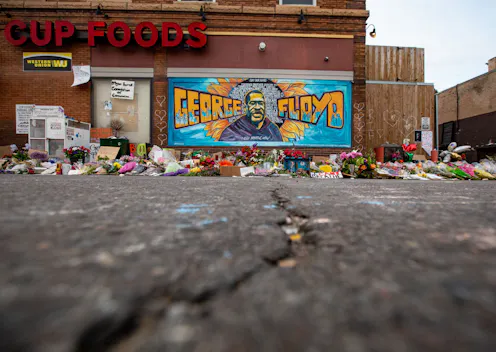
Despite its progressive image, Minneapolis is one of the most segregated cities in the United States. That is by design not accident, argues an urban planning scholar.
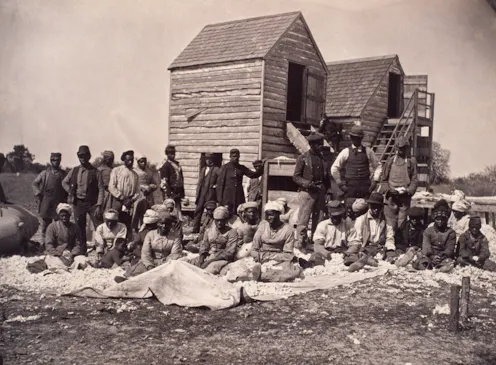
Black farmers own far less land than they did in 1910 and the racial gap in homeownership is at the highest level for 50 years.
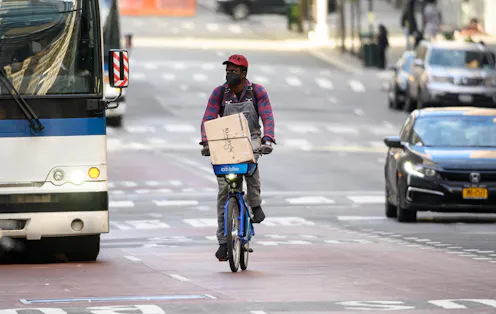
Low-income and minority groups are often reliant on cheaper modes of transport, but many find cycling to work problematic.
Contact Julian for
- General
- Media request
- Speaking request
- Consulting / Advising
- Research collaboration
- Research supervision
- Location: Medford, Massachusetts, U.S.
- Website
- X (formerly Twitter): @julianagyeman
- Article Feed
- Joined
