

Rivers support billions of people but are among the least protected parts of nature. A major review shows what needs to be done as climate change accelerates.
- Senior Lecturer | School of Government, Te Herenga Waka — Victoria University of Wellington
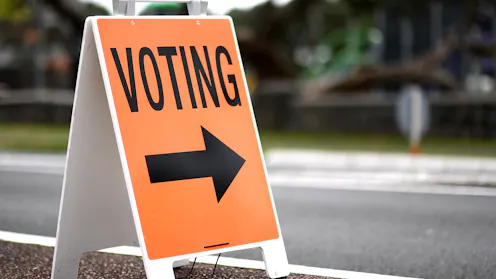
Low voter turnout in local elections is a problem worldwide. But evidence is growing that timing them with general elections can reverse the trend.
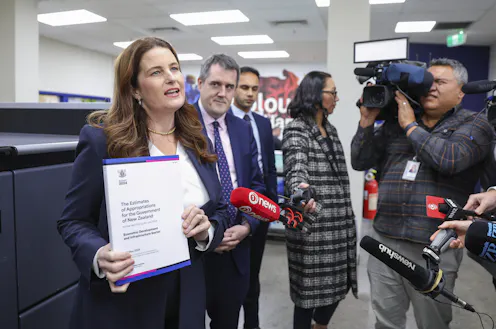
Finance minister Nicola Willis made good on two promises with her first budget – tax cuts and no surprises. But the belt tightening required to do that will have longer-term consequences.
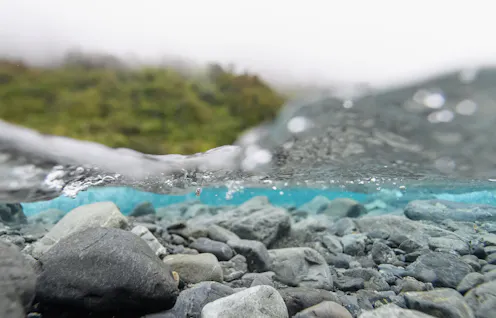
Despite its importance, water management has been largely absent from the election campaign. But using trading markets to improve freshwater quality in smaller catchments deserves wider debate.
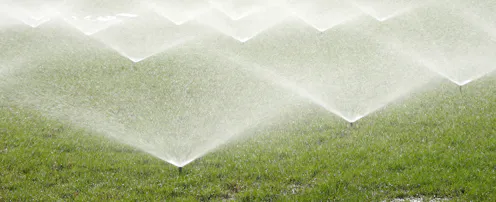
If decision makers don’t have up-to-date information about urban water use and demand, any policies they design are unlikely to deliver for communities or the environment.

Given long-term forecasts for growing urban populations and an increasingly variable climate, local authorities will have to think about how best to encourage people to conserve water.

The idea that a small payment could motivate more people to vote resurfaces regularly, but this ignores evidence that monetary incentives to induce pro-social behaviour can be counterproductive.
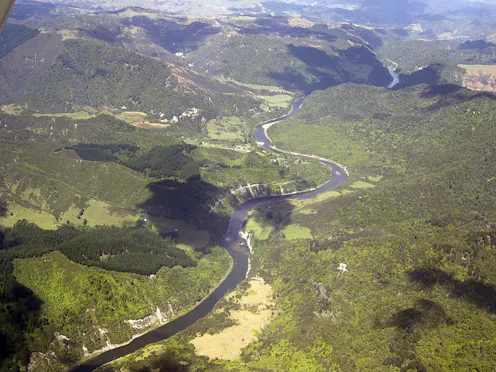
New Zealand’s Whanganui River and the Ganga and Yamuna Rivers in India have been given the right to ‘sue’ over issues like pollution. The challenge now is to ensure these legal rights are enforced.
Contact Julia for
- General
- Media request
- Speaking request
- Consulting / Advising
- Research collaboration
- Research supervision
- Location: Wellington, New Zealand
- Article Feed
- Joined
