

Canada has a promising gender-based violence legal and policy framework, but none of it accounts for the people actually delivering frontline services.
- Assistant Professor, Faculty of Health Sciences, Simon Fraser University

Vaccine uptake is not just a behavioural issue. Challenges like childcare and transportation rarely come up in public conversations about hesitancy, but they play a major role in who gets vaccinated.

Three-quarters of health care in Canada is provided at home by unpaid family caregivers. Not only is this essential health-care work often unrecognized and under-supported, it is rapidly changing.

Although millions are navigating long COVID, four years into the pandemic both patients and their caregivers continue to face challenges accessing the information and care they need.
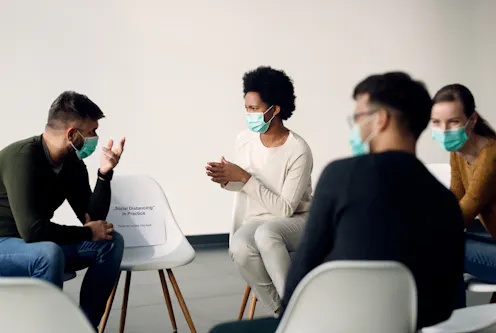
Community-engaged research was disrupted by COVID-19 restrictions, meaning researchers faced serious challenges when their results were most needed: during a public health crisis.

Not only is the health sector feminized, but women — particularly racialized women — are more likely to be in jobs at the low end of the pay scale, but that require prolonged contact with patients.
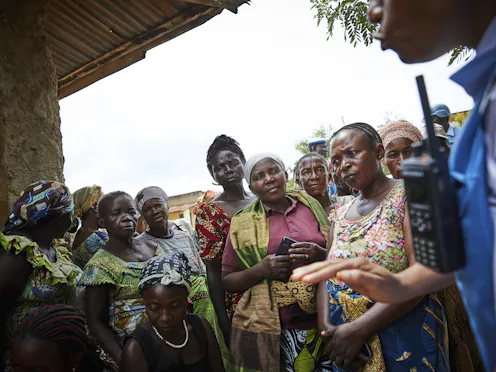
A review of research on both the Ebola and Zika outbreaks, found less than 1% of published research discussed gender issues.
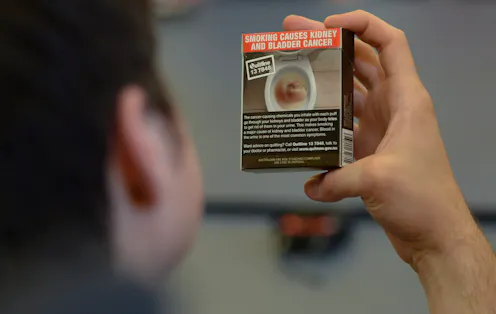
The Canadian government is currently drafting regulations on plain packaging for cigarettes. Tobacco companies are trying to weaken the regulations via lobbying and misleading PR campaigns.

On World No Tobacco Day, the focus is usually on the health risks of cigarettes. But what about the way Big Tobacco exploits impoverished farmers in Malawi?
Contact Julia for
- General
- Media request
- Speaking request
- Consulting / Advising
- Research collaboration
- Research supervision
- Location: Vancouver, Canada
- Website
- LinkedIn: https://www.linkedin.com/in/julia-smith-phd-aa4b2a19/
- X (formerly Twitter): @juliaheather
- Article Feed
- Joined
