
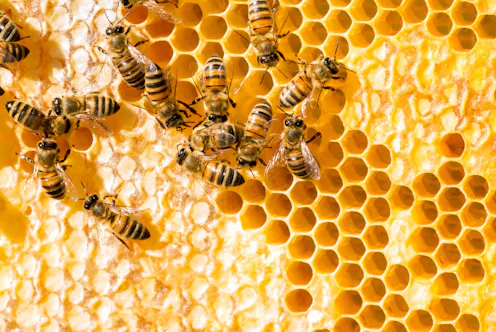
What makes us human? Greek and Roman thinkers were preoccupied with this question. And some of their observations of animals foreshadowed recent findings in the behavioural sciences.
- Professor, Department of Classics and Ancient History, University of Sydney
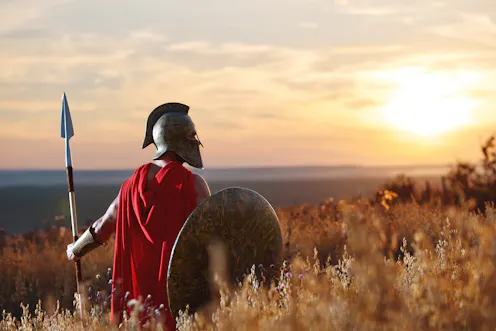
Sejak usia tujuh tahun, anak-anak Sparta belajar berperang dan berlatih mematuhi perintah. Mereka juga berlatih bertempur. Anak laki-laki dan perempuan dilatih secara terpisah.

Antoine de Saint-Exupéry’s classic book, first published in 1941, is a story of isolation, and seeing things anew.
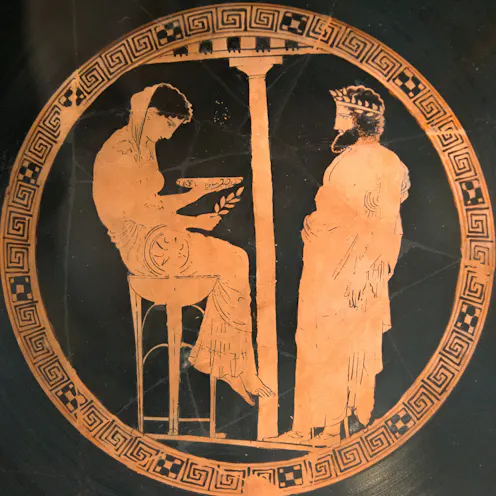
In a time and place that offered few career opportunities for women, the role of priestess at Delphi was enormously influential. She was consulted on everything from warfare to love to public policy.
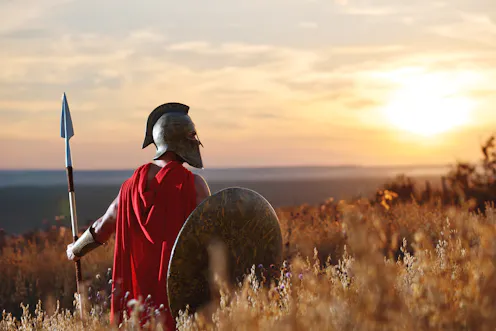
From about age seven, Spartan children learned to fight and practise obeying orders. They also staged pretend battles. Boys and girls were trained separately.
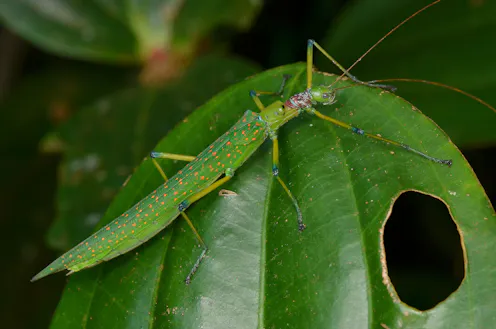
In this age of the pseudo-factual, its more important than ever to acquaint ourselves with the foundations of the scientific tradition, such as Darwin’s Origin of Species.
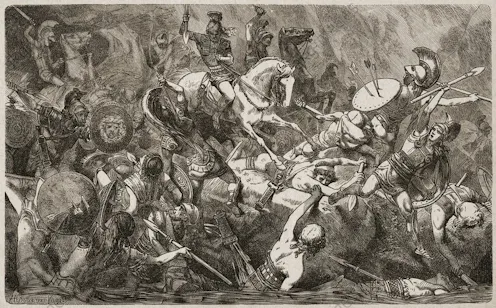
As populism reemerges, Thucydides’s insights into the power of words to influence public sentiments remain acutely up-to-date.
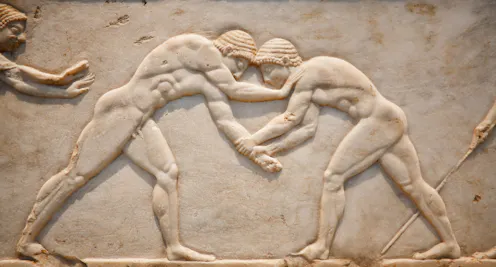
There’s plenty of evidence to suggest that attempts to manipulate the outcome of the competitions are as old as the Games themselves.
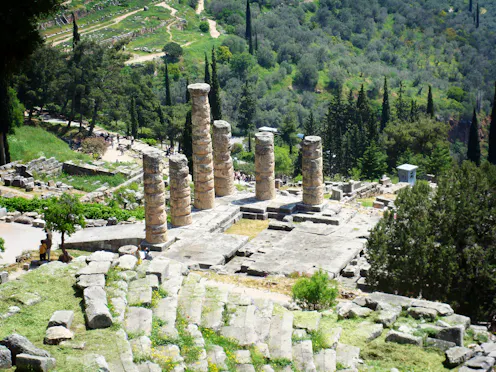
Cicero asked: ‘how to become famous?’ Nero sought to know the timing of his death. The Oracle at Delphi offered pronouncements on all manner of topics - yet as with Google today, the question posed was as important as the answer.

Herodotus’ Histories has it all: tales of war, eyewitness travel writing, notes on flora and fauna and accounts of fantastic creatures such as winged snakes. His stories share a common humanity that speaks to us, 2500 years on.
Contact Julia for
- General
- Media request
- Speaking request
- Consulting / Advising
- Research collaboration
- Research supervision
- Location: Sydney, Australia
- Website
- Article Feed
- Joined
