

New blood tests for Alzheimer’s won’t give you an instant diagnosis. Here’s what they’ll tell you instead.
- Associate Professor | Deputy Director, The MARCS Institute for Brain, Behaviour and Development, Western Sydney University

A new study looked at almost one million married couples and found dementia clustered among couples. Shared lifestyle doesn’t explain everything.

Blaming behaviour we don’t like on a disease means less accountability, and is bad for those who live with dementia. It’s also often inaccurate.
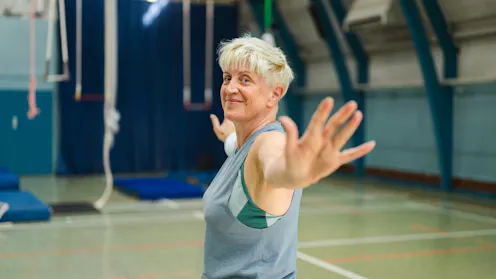
Selon des travaux récemment publiés, la pratique d’une activité physique entre 45 ans et 64 ans réduit les risques de développer une démence, même en cas de prédisposition génétique.
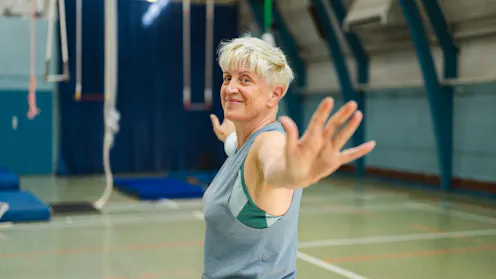
People who did a lot of physical activity between 45 and 64 had much lower odds of developing dementia – even when they carried a genetic risk factor.
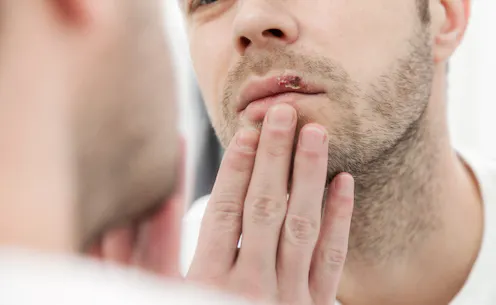
Alzheimer’s is a complex disease caused by many interacting factors. It’s possible the herpes virus could play a small role – but the evidence isn’t conclusive.

Are we promoting prevention strategies that work for everyone, or only for those who already have the means and access?
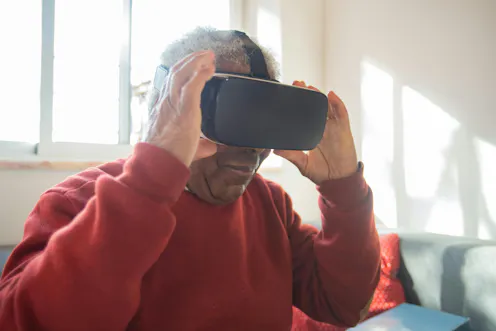
Current methods of screening for dementia have a range of limitations. Using virtual reality for cognitive screening is still a new area, but it’s showing promise.
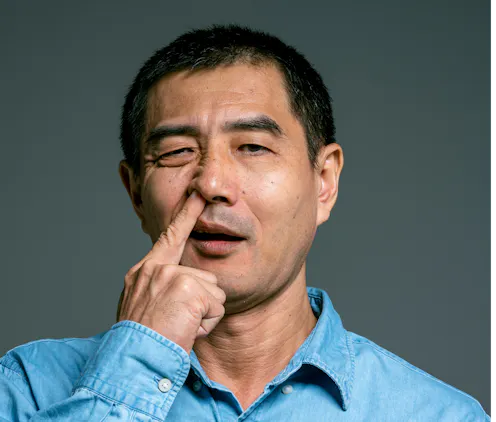
We dug into what was behind the headlines on nose-picking and dementia so you don’t have to. Here’s what the study really says.
We asked more than 830 older Australians about their awareness of 12 factors that help reduce dementia risk.
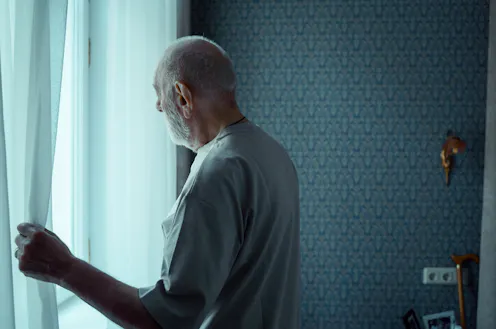
We spent 312 hours observing 39 residents at six Australian aged care facilities to find out how and where they spend their time across the day.
Contact Joyce for
- General
- Media request
- Speaking request
- Consulting / Advising
- Research collaboration
- Research supervision
- Location: Westmead, Australia
- Website
- LinkedIn: joyce-siette-3b58b5170/
- X (formerly Twitter): @jsiette
- Article Feed
- Joined
