
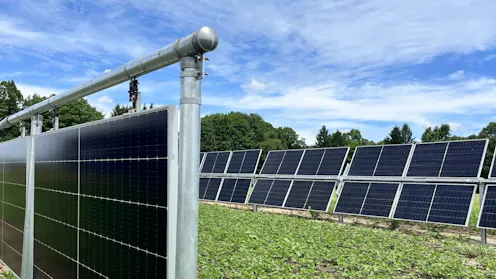
In Canada, agrivoltaics could produce enough electricity to eliminate the need for fossil fuels on the grid entirely, using less than one per cent of the country’s agriculture land.
- John M. Thompson Chair in Information Technology and Innovation and Professor, Western University
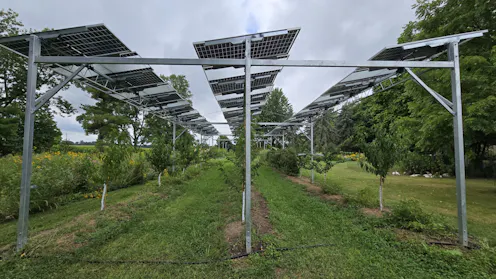
A new study finds farmers can enjoy increased crop yeilds under partial shade of solar panels long after they stop working decades from now.

The problem is that costs – especially the costs to faculty – often go ignored.

It’s time to retire the email signature and take a hard look at improving our communication efficiency.
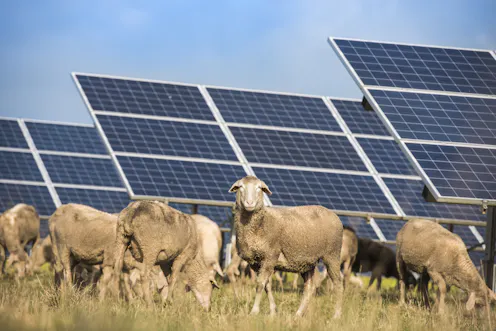
Agrivoltaics — a portmanteau for agriculture and photovoltaics — has enormous potential to solve our climate and energy problems simultaneously.

The 1,000-ton rule states that a person is killed every time humanity burns 1,000 tons of fossil carbon. Minimizing the deaths caused by climate change should be a global priority.

Both solar and battery systems costs have just dropped to the point that grid defection will save the average family money, but this could increase emissions in some cases.

Valuing open source development is a way to attract talented people that are major drivers to economic growth.

Canada has spent billions on health-care software that does not even communicate province to province. Free and open-source software would be a technically superior and far less expensive option.
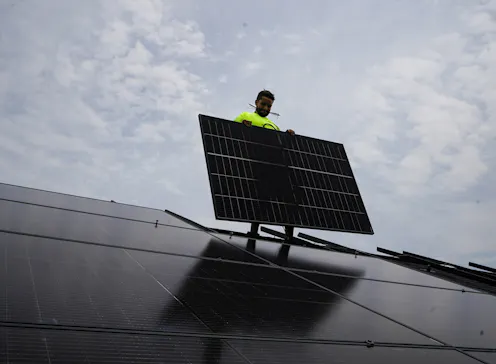
Looking to go solar? While small-scale solar delivers the best results with the least life-cycle impact, a mixed approach offers the best long-term path towards an all-electric future.

Studi terbaru menyatakan 1 miliar orang berisiko besar meninggal sebelum waktunya pada akhir abad ini akibat perubahan iklim. Berikut tujuh kebijakan energi yang bisa menyelamatkan nyawa mereka.

Según un estudio reciente, es probable que mil millones de personas mueran prematuramente a finales de siglo a causa del cambio climático. He aquí siete políticas energéticas que podrían salvarles la vida.

A recent study found one billion people are likely to die prematurely by the end of the century from climate change. Here are seven energy policies that could save their lives.

If Alberta prepares to transition from oil and gas to solar energy, the workforce will need retraining. New research shows that this will cost less than expected.
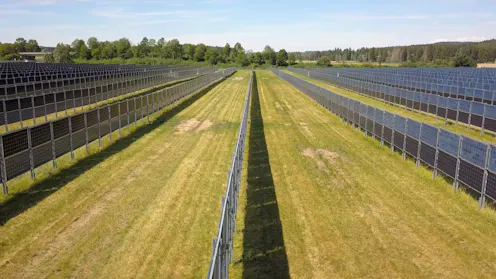
Using agricultural land for both solar and food production presents huge opportunities for Canadian farmers, especially in Alberta.
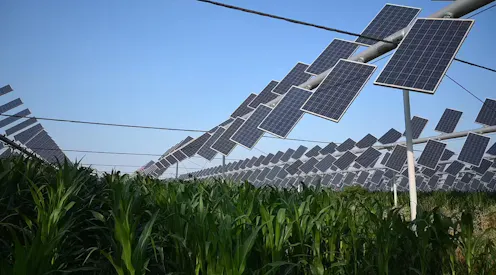
Canada can meet its carbon emission reduction targets, make food cheap again and open up a gigantic trade surplus with the U.S. by shading farm crops with solar panels.

In open-source endowed research positions, professors release all of their intellectual property. Surveys of academics in the U.S. and Canada find most like the idea.

Nearly a half-million Americans die every year from smoking and tobacco use. Might a little-used legal remedy save those lives?
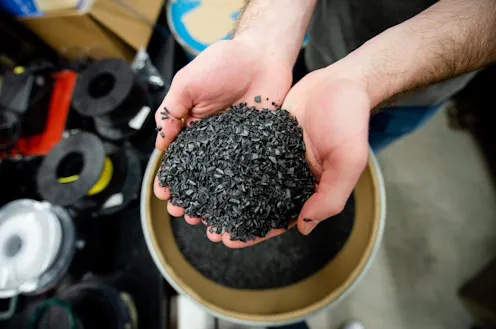
Consumers can turn plastic waste into valuable products at minimal cost using the open source technologies associated with DRAM – distributed recycling and additive manufacturing.
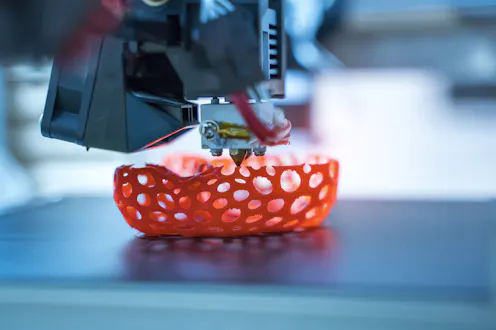
The rush to make personal protective equipment like facemasks and face shields using 3D printers shows that the technology can help circumvent global supply chain disruptions.

The US could only safely use a fraction of its nuclear stockpile without harming Americans through an environmental event called ‘nuclear autumn.’

Seniors and other people suffering from arthritis could do more daily tasks for themselves, and save money, by 3D printing their own small plastic aids, like key holders and pill-splitters.

Cybersecurity efforts could take a lead from open-source software, creating hardware whose designs are open for all to see and examine.
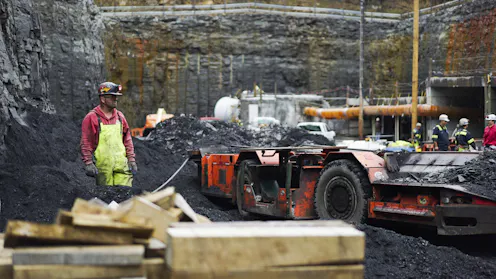
The Trump administration’s Affordable Clean Energy Plan would help the declining coal industry, but a study shows many coal workers could transition to a new industry – solar – and earn more money.

President Trump’s global trade wars may indeed drive manufacturing back to the U.S. – just not in the way he predicted.
Contact Joshua for
- General
- Media request
- Speaking request
- Consulting / Advising
- Research collaboration
- Research supervision
- Location: London, Ontario, Canada
- Website
- X (formerly Twitter): @ProfPearce
- Article Feed
- ORCID
- Joined
