

Les bureaux « assis-debout » ont colonisé les lieux de travail, dans la perspective de réduire le temps quotidien passé en position assise. Mais rester debout, est-ce vraiment meilleur pour la santé ?
- Senior Lecturer in Public Health, Macquarie University

Many workplaces have adopted sit-stand desks, which allow you to sit down or stand up with the push of a button, to reduce the risks of prolonged sitting. But is standing better for your health?

A new study has been found that television viewing increases your risk of dying from an inflammatory-related condition like Alzheimer’s or Parkinson’s disease. But it’s more complicated than that.
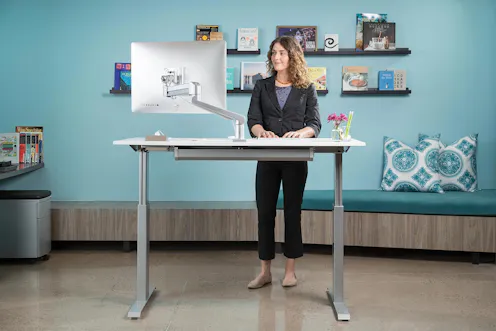
Here’s how reporting of the world’s first specific advice on reducing inactivity at work has overplayed the role of standing desks.

While walking is a great way to get people moving, evidence has found the program doesn’t target people who need it the most, and people swap high intensity exercise for more steps.

More people are getting standing desks in response to our increasing knowledge about the harms of sedentary lifestyles. But can you transition to standing at work without causing yourself harm?
Contact Josephine for
- General
- Media request
- Speaking request
- Consulting / Advising
- Research collaboration
- Research supervision
- Location: Sydney, Australia
- Website
- X (formerly Twitter): @jochau
- Article Feed
- Joined
