
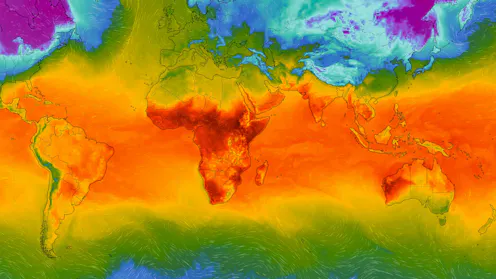
Atteindre zéro émission de carbone d’ici 2050 freinera le réchauffement, mais certaines régions connaîtront encore des chaleurs extrêmes
- Associate professor, The University of Melbourne

Cutting carbon dioxide emissions to zero by 2050 will reduce global warming, but climate modelling shows that some regions may still experience extreme heat.
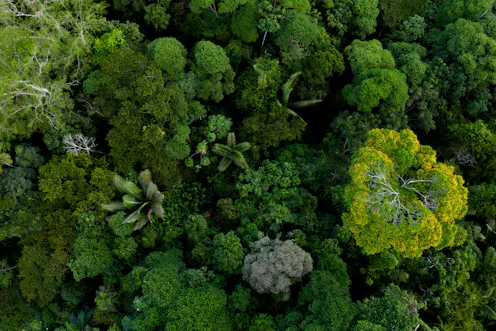
The fossil record suggests Australia may be much wetter, and look far different, in centuries and millenia to come.

Despite cold temperatures, water was relatively abundant in much of the southern hemisphere during ice ages.
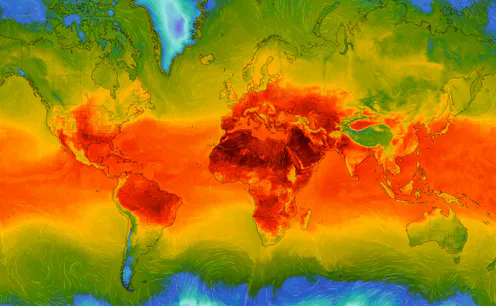
We can’t prevent continued global warming without reaching net zero carbon dioxide emissions. New climate simulations show what might happen when we get there.

We need new experiments to model Earth’s climate if global warming is stabilised at 1.5°C. A new paper explains why.
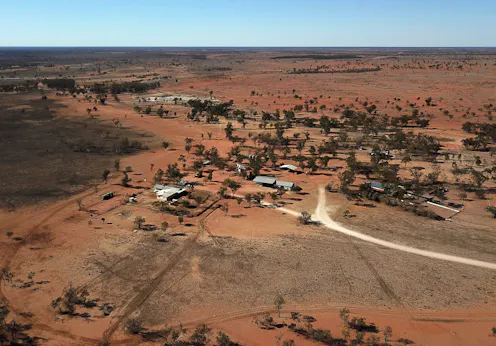
The absence of climate drivers – specifically, the Indian Ocean Dipole and La Niña – explains why Australia has gone so long without heavy rains.
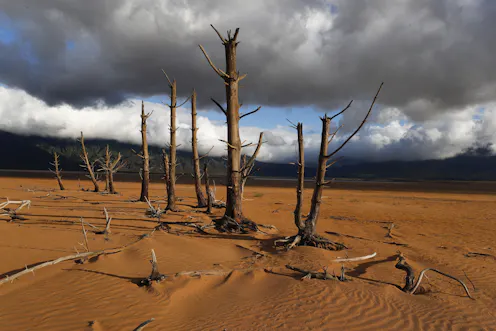
Australia’s subtropical regions are drying, but if we can slow the global temperature rise then rainfall should increase again.
Contact Josephine for
- General
- Media request
- Speaking request
- Research collaboration
- Research supervision
- Location: Melbourne, Australia
- Website
- BlueSky: @drjobrown.bsky.social
- X (formerly Twitter): @JosephineRBrown
- Article Feed
- ORCID
- Joined
