
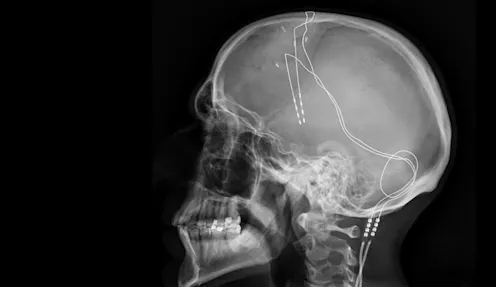
Deep brain stimulation and trasncranial magnetic stimulation treat mental illness by sending electrical currents into parts of the brain. Every new patient provides researchers with a wealth of information. Listen to The Conversation Weekly podcast.
- The E. William Davis Jr, M.D. Professor of Medical Ethics and Professor of Medicine at Weill Cornell Medicine, Cornell University

Congress needs to make sure the HEROES Act includes adequate funding for people with disabilities.
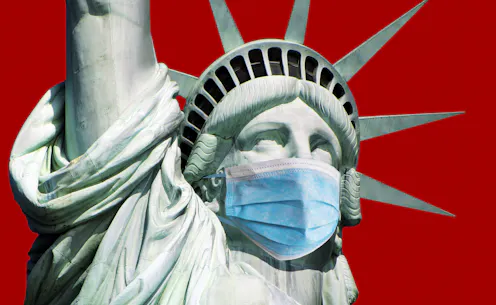
A bioethicist argues that the problem of health disparities existed long before COVID-19 struck with a vengeance in marginalized communities.

Some cite mental illness, or at least instability, as a basis to remove Pres. Trump from office. A doctor and a lawyer use a 1965 novel, ‘Night of Camp David,’ to explain why that’s unlikely.

What if impeaching the president meant the White House would switch parties? It was an ethical question Democrats faced in the 1970s.
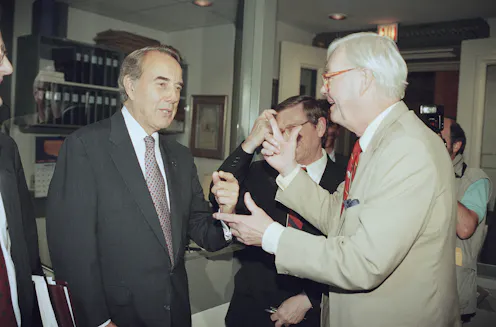
While current congressional leaders are digging in their heels along party lines, it might be good to take a step back and consider how two Senate leaders in the 1980s reached across the aisle.
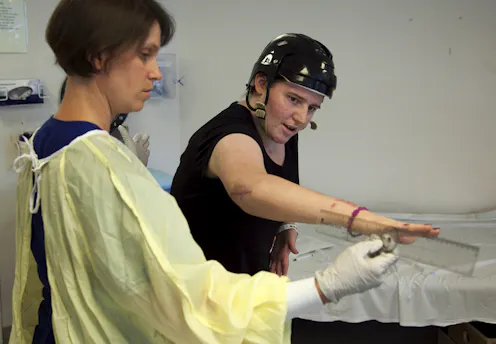
Neuroscience can now make a difference in the lives of people with severe brain injury, but will they get the care they deserve? More than a question of entitlements, this is an issue of civil rights.
Contact Joseph for
- General
- Media request
- Speaking request
- Consulting / Advising
- Research collaboration
- Research supervision
- Location: New York, New York
- Website
- Article Feed
- ORCID
-
- Joined
