
Astronomers have discovered more than 3,000 planets around other stars, so far. In the first of a two-part series we look at how they find world’s elsewhere in the universe.
- Professor (Astrophysics), University of Southern Queensland
Many of the new planets found in other star systems have some extraordinary orbital behavior. So what’s going on?
The number of known exoplanets doubled this week to more than 3,200. But why have only a handful of these those new planets caught people’s imagination?
A US$100-million plan has been announced to send tiny probes out in space in search of life elsewhere in the universe. But are they looking in the right place?

One common terrestrial bacterium has been found to grow in the microgravity of the International Space Station than on Earth, although it remains a mystery why.
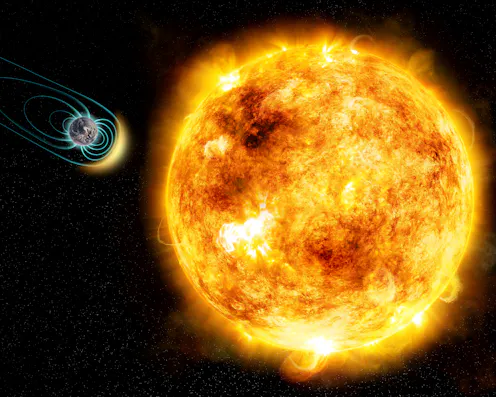
In the search for life on other planets in the universe we need to find the right kind of star, and it needs to have the right kind of space weather.
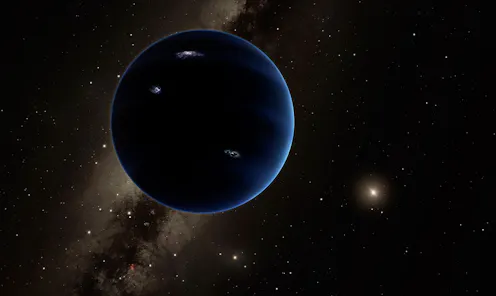
Scientists say they have evidence that the solar system has an extra planet, bigger than Earth and way beyond Pluto. So how come we never knew this before?
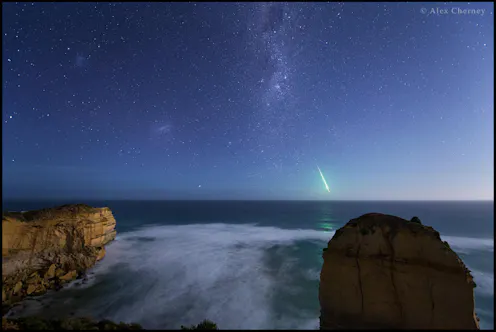
Many meteor showers are a regular annual event, but what you can see varies from year to year. So which showers will be the best for 2016?
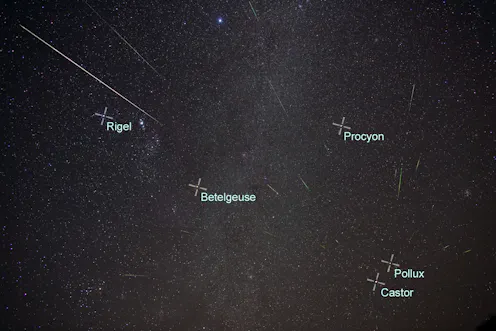
A darkened moon is promising to allow us to see one of the best meteor showers of the year, so long as the skies are clear.

A hint of oxygen and a whiff of methane in a distant exoplanet’s atmosphere may be the first evidence we discover of alien life.

There’s a lot of speculation about a star behaving strangely in our galaxy. But even if it’s not evidence of alien intelligence, it’s sure to be an amazing discovery.

Astronomers have been looking for signs of intelligent life elsewhere in the universe for centuries. But the search has so far found nothing. So what makes this latest hunt so different?
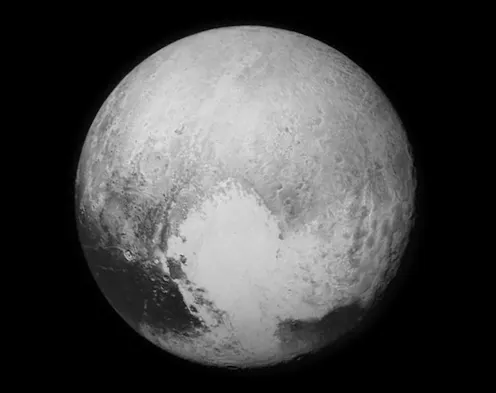
Now the flypast of Pluto is over the space probe New Horizons will begin sending the data back to Earth. It will take many months but what will it reveal about the dwarf planet?
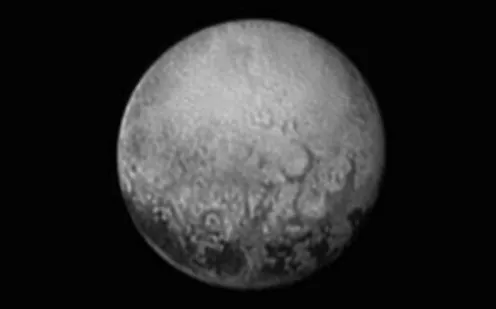
The New Horizons spacecraft is only hours away from its closest approach to Pluto. It’s hoped the brief encounter will help answer many questions about the oddball member of our solar system.

Pluto is one of the most enigmatic objects in our solar system, and its secrets are soon to be uncovered by the New Horizons probe.
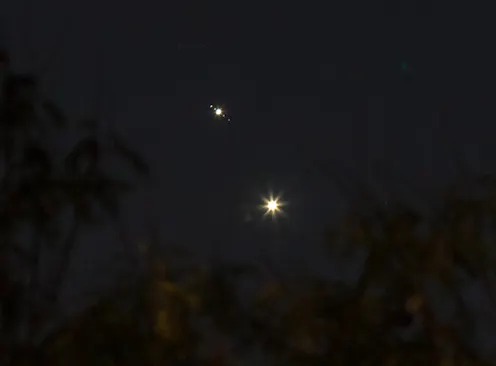
Look up tonight and you’ll see a stunning conjunction of the two brightest planets in the night sky.
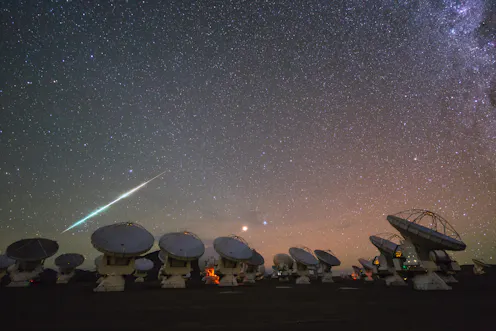
Meteors have been seen since people first looked at the night sky. They are comprised of small pieces of debris, typically no larger than a grain of dust or sand, which continually crash into the Earth’s…

Watching meteors in the night sky can be fun, although typically you only see a few flashes an hour. But there are certain times of the year when you can see many more – events known as meteor showers…
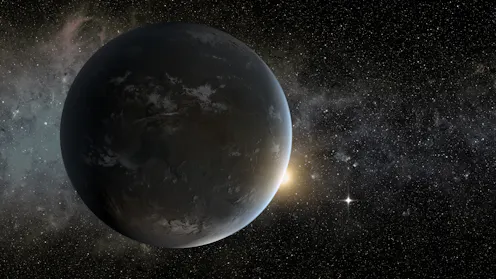
More than 1,000 exoplanets have now been discovered by the Kepler Space Telescope, announced NASA this month, and the figure continues to climb. Three of the newly confirmed Kepler planets are thought…
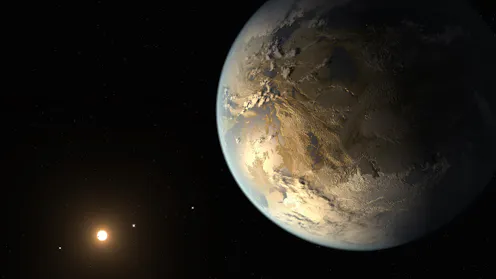
When it comes to finding the right kind of planet to target in the search for life elsewhere in the universe, the size of the planet matters. All planets are believed to form by a process of competitive…
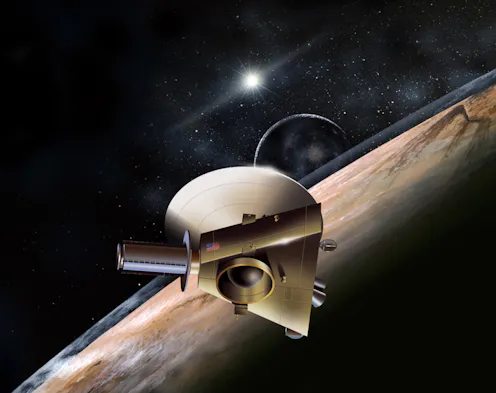
While the Mars Rovers and the Rosetta spacecraft will continue to make headlines in 2015, the stage is set for the solar system’s next great mission – the Pluto-bound New Horizons. Discovered in 1930…

Every so often our Earth encounters a large chunk of space debris which reminds us that our solar system still contains plenty of debris that could potentially have an impact on life on Earth. While the…
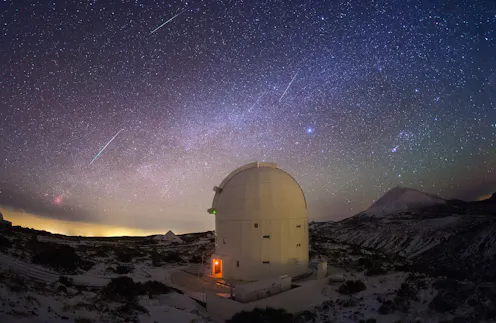
The best meteor shower of the year should put on an impressive display this weekend – weather permitting – with the annual Geminids poised to light up the sky with bright, long meteors visible as frequently…

In the search for life beyond our solar system, we need to consider the system in which a planet moves, including the other planets and assorted debris that accompany it on its journey through the cosmos…
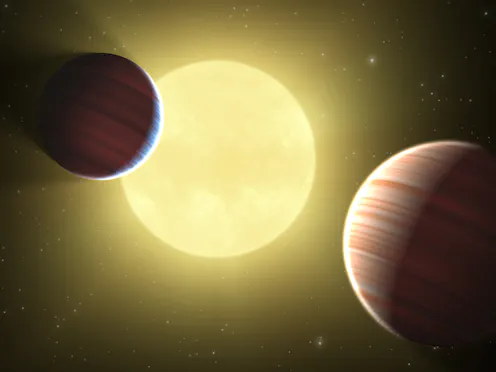
In the search for life-sustaining planets we must first choose the right host star. There are many factors that would make a star system too hostile for life to even get started, let alone survive for…
Contact Jonti for
- General
- Media request
- Speaking request
- Consulting / Advising
- Research collaboration
- Research supervision
- Location: Toowoomba, Australia
- Website
- X (formerly Twitter): @JontiHorner
- Article Feed
- ORCID
-
- Joined
