
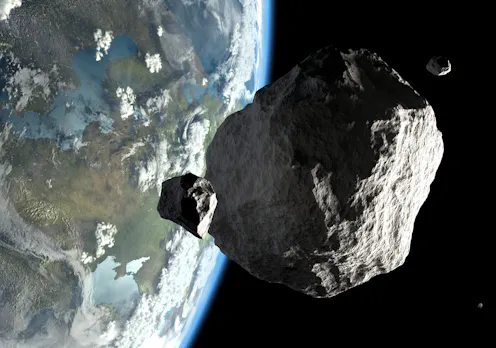
Saat ini kita telah menemukan lebih banyak objek dekat Bumi, tapi tantangannya adalah mengidentifikasi benda yang berpotensi menabrak kita.
- Professor (Astrophysics), University of Southern Queensland
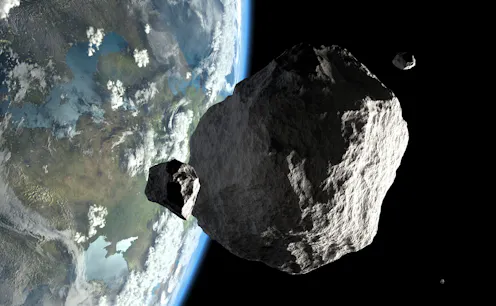
We’re finding more near-Earth objects all the time, and the challenge is to identify those that could potentially hit us. So how come we missed one that caused a huge blast in December?
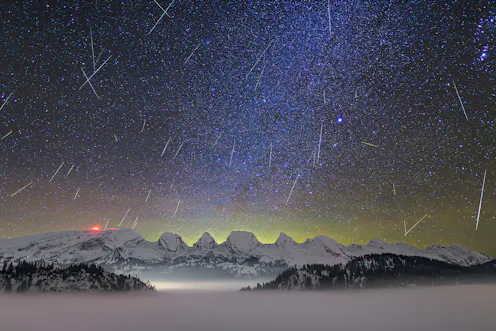
Moonlight will spoil some of the big meteor showers this year, but still plenty of others to see. So here’s your guide on when and where to look to catch nature’s fireworks.
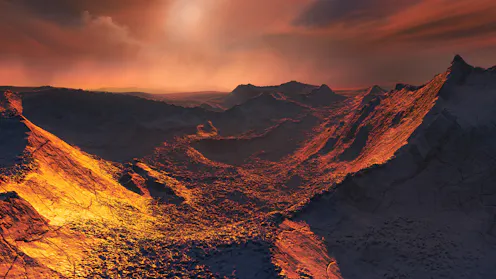
The new planet is believed to be orbiting Barnard’s Star, a red dwarf that’s not visible to the naked eye but one of the closest stars to our Solar System.
There are probably more than a million planets in the universe for every single grain of sand on Earth. That’s a lot of planets. My guess is that there probably is life elsewhere in the Universe.
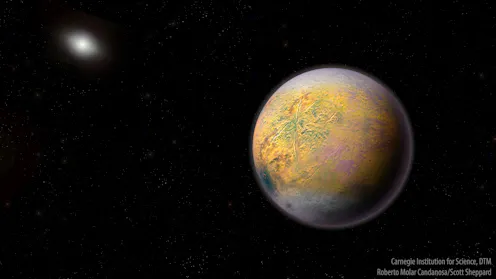
Whether you call it Planet X or Planet Nine, talk of another planet lurking in our Solar system won’t go away. So what does the discovery of a new object – nicknamed “The Goblin” – add to the debate?
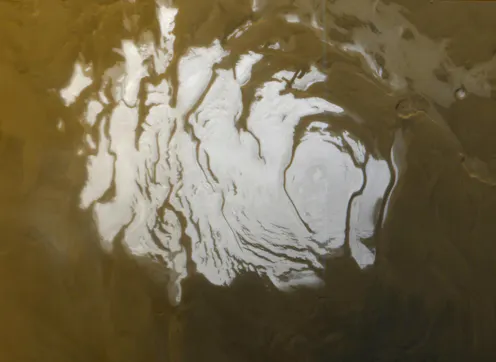
Los investigadores han encontrado un gran lago de agua salada enterrado a 1,5 kilómetros bajo el casquete polar sur de Marte. ¿Qué significa eso para la vida en el planeta rojo?
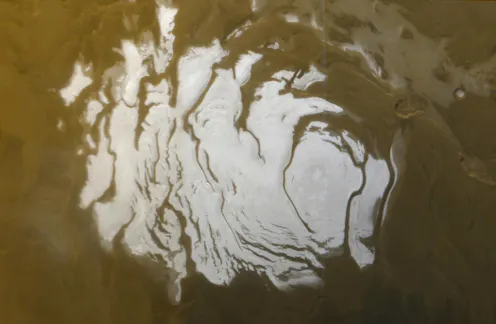
Researchers have found evidence of a large lake of salty water, buried 1.5 kilometres beneath the southern polar ice cap on Mars. So what does that mean for life on the red planet?
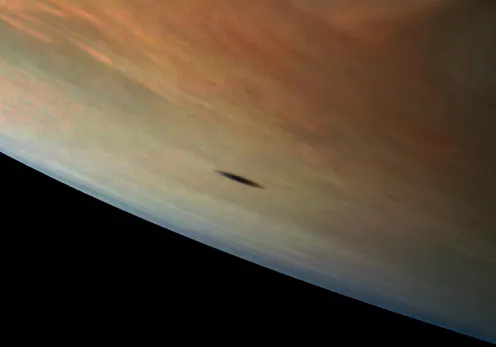
Jupiter now has at least 79 moons, the most for any known planet. But where did these newly discovered moons come from?
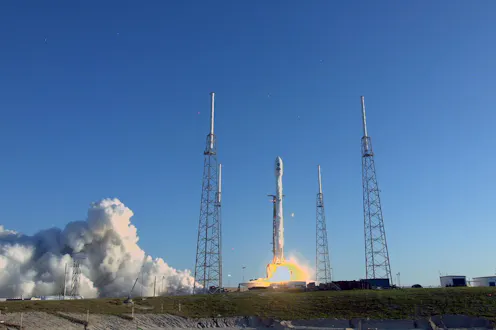
The new planet-hunting telescope TESS was successfully launched today by NASA, and Australia will play a key role in checking out any new worlds it discovers.

Stephen Hawking inspired people with his work on black holes and other mysteries of the universe. Many were quick to pay tribute to the theoretical physicist who died today in the UK, aged 76.
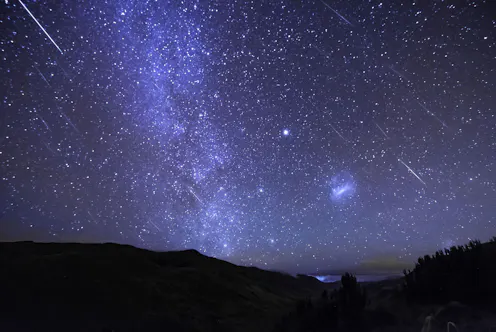
Your guide to some of the best meteor showers for 2018. Where to look and when in both the northern and southern skies to catch nature’s fireworks.
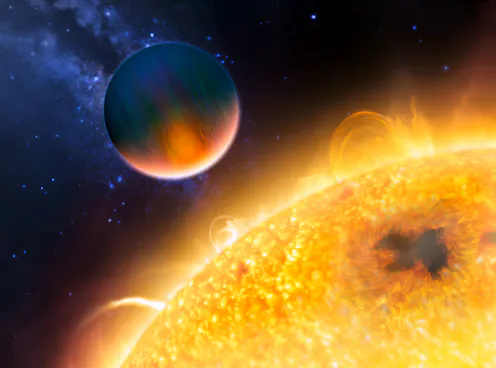
A solitary planet in an eccentric orbit around an ancient star may help astronomers understand exactly how such planetary systems are formed.
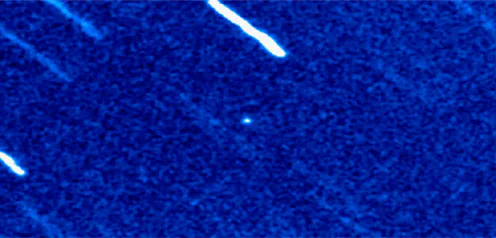
The mystery object seen moving through our Solar system shows the void between the stars is far from empty. So can we expect more interstellar visitors?
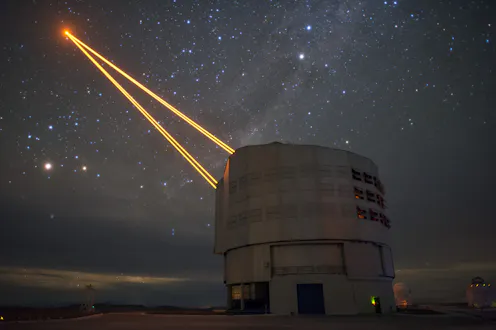
How exactly do the stars twinkle in the night sky? As it turns out, the answer is full of hot air… and cold air.
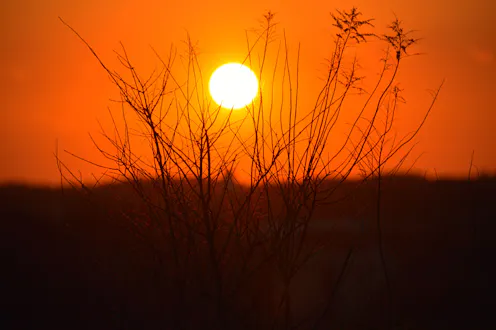
In five or seven billion years time, the Sun’s life will come to an end. And it will be really spectacular - if you’re watching from far enough away.
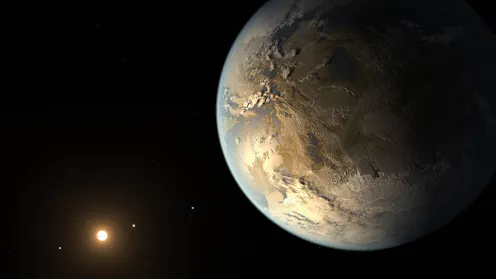
Plants on other planets are bound to be even weirder than the strangest ones we find on Earth – if they even exist.
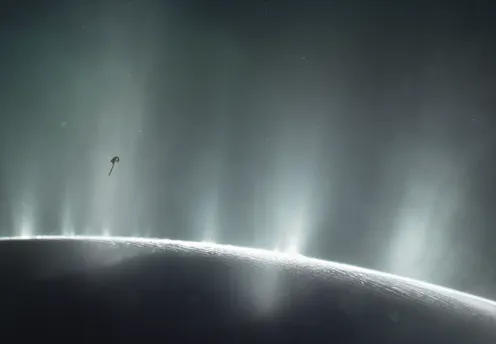
Earth is a relatively dry planet compared to some of the other ocean worlds in our Solar system. Life needs water so what about life on these other places?
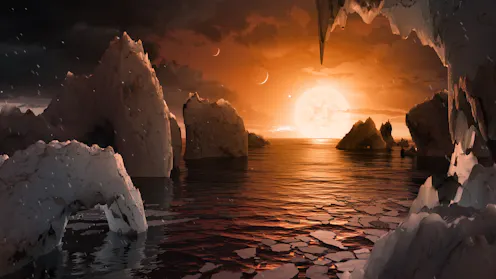
Several of the newly-discovered exoplanets orbiting a small star appear to be locked in an intricate dance that hints at how such planetary systems can form.
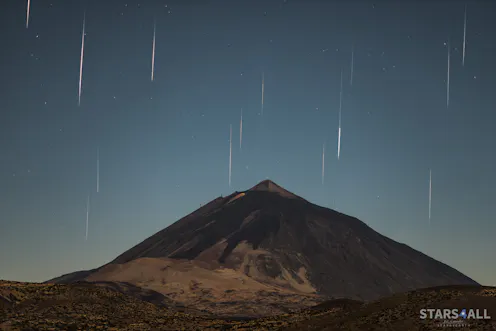
2017 is looking to be a spectacular year for meteor showers. So here’s what to look out for in both the northern and southern skies.
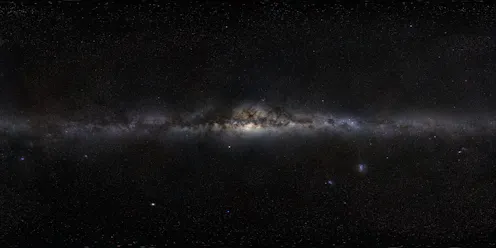
Understanding how the billions of stars in our galaxy formed and evolved is the subject of a huge galactic archaeology project.
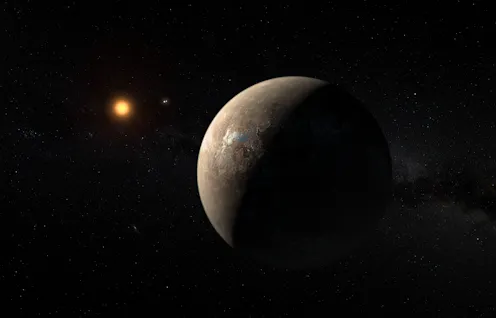
Astronomers have found an Earth-like planet orbiting our nearest neighbour, the red dwarf star Proxima Centauri. So any chance that planet may be habitable?
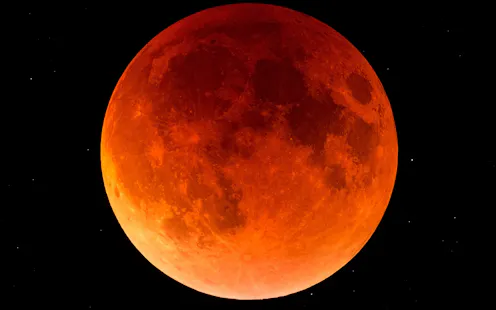
The red hue of the moon during a total lunar eclipse gives astronomers at cue on how to find out more about the planets being discovered around other stars.
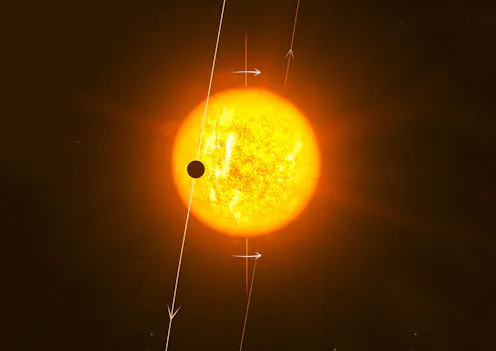
More than three thousand planets have been found orbiting other stars in our galaxy. The challenge now is to find out more about these planets.
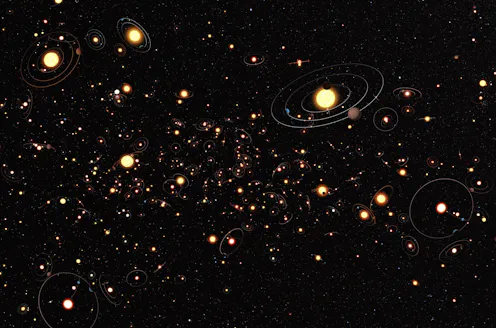
A look at some of the more obscure methods astronomers use to detect planets around other stars, in the second of a two-part series on finding world’s elsewhere in the universe.
Contact Jonti for
- General
- Media request
- Speaking request
- Consulting / Advising
- Research collaboration
- Research supervision
- Location: Toowoomba, Australia
- Website
- X (formerly Twitter): @JontiHorner
- Article Feed
- ORCID
-
- Joined
