
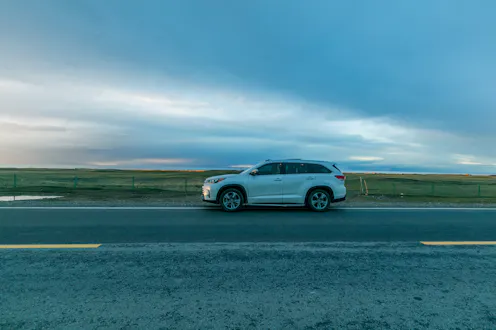
Emissions from city drivers have largely fallen, while emissions from rural and regional drivers have risen.
- Professor of Human Geography, The University of Queensland
Male cyclists greatly outnumber female cyclists in Australia. New research points to ways to close the gap.

Scooter share schemes actually become more popular in hot weather, as people turn to them to avoid breaking a sweat

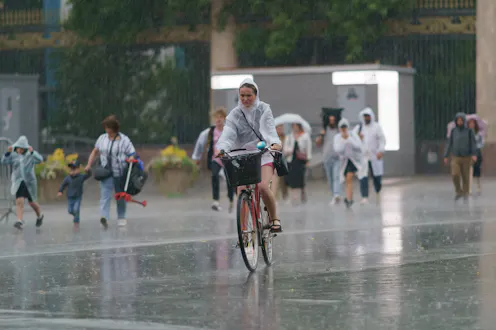
Cyclists in Melbourne are less likely than those in Dublin or Seville to ride in the rain. Understanding why is crucial.

China-born migrants in Australia’s capital cities are becoming more suburban, but there are differences in settlement patterns between the biggest cities and smaller cities.
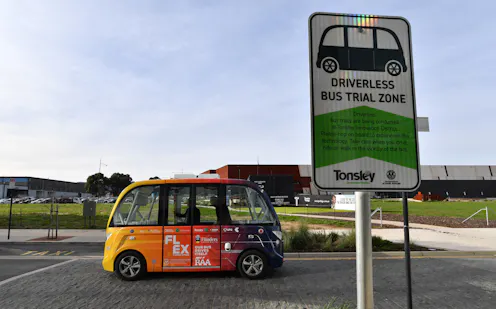
To maximise the benefits and limit the costs, the use of autonomous vehicles should be pooled and their access to the city restricted.
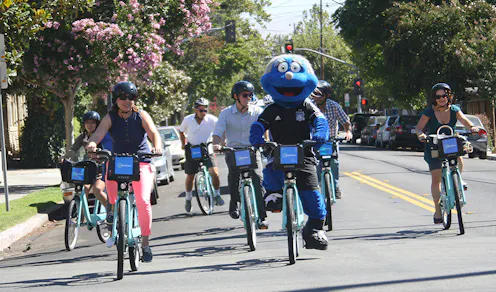
Urban planners often hope bike-share schemes might reduce reliance on cars and help with congestion. But very few of those who use share bikes have switched from driving.

Dockless or stationless bike sharing is risky business, relying a bit too much on common decency. Bike sharing schemes can work, but they may need to forego user convenience for bike safety.

The relationship between weather and our travel choices is complicated. We can’t change the weather, but, with many other factors in play, good policy and design can reduce its impacts.

New analysis reveals just how little is spent on cycling and walking projects around Australia. No state’s spending on cycling is more than 1.5% of its road funding.
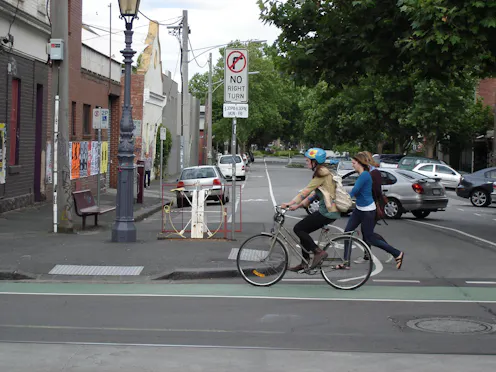
A comparison of Australian cities reveals cyclists and walkers are still very much a minority of commuters, despite the economic, health and environmental costs. Action on three fronts is needed.
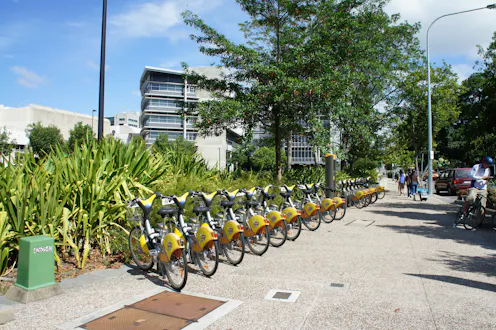
Many short-term bike-hiring programs have been launched amid much fanfare, only for their popularity to decline soon after. Several key factors need to be in place for a program to work.

Cities around the world are starting to rethink the vast areas of land set aside for parking. The convergence of several trends likely will mean this space becomes available for other uses.
Contact Jonathan for
- General
- Media request
- Speaking request
- Consulting / Advising
- Research collaboration
- Research supervision
- Location: Brisbane, Australia
- Website
- Article Feed
- ORCID
- Joined
