
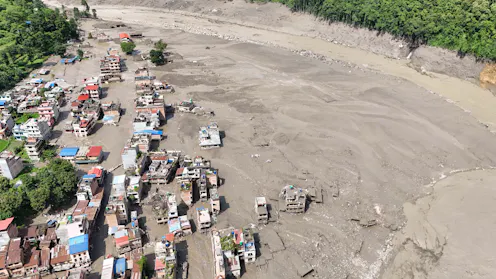
Glacier melt is partly responsible for the disaster along the border with Tibet and Nepal. An expert explains why this is a growing issue for the world.
- Professor of Glaciology and Earth Observation, University of Bristol

Scientists have tracked decades of glacier retreat in the fast-warming Arctic islands of Svalbard.
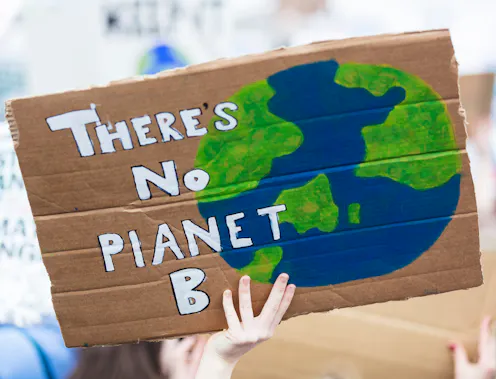
Temperature rise of more than 1°C pushes us towards irreversible climate tipping points, yet Earth is 1.2°C warmer than in pre-industrial times.
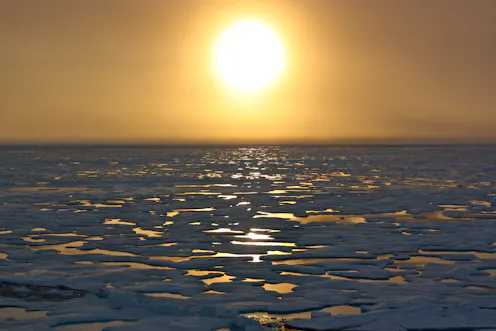
A short history of predicting an ice-free Arctic – and why you should listen to this one.
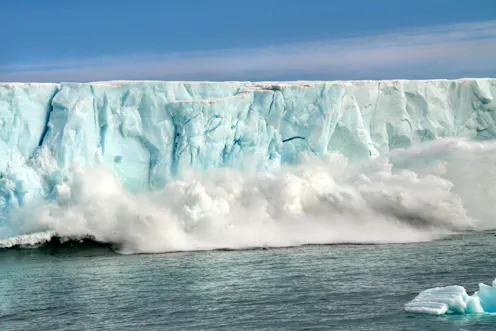
The Arctic is on average around 3°C warmer than it was in 1980.
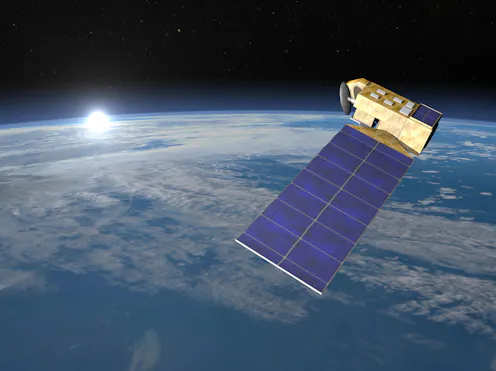
Earth observation satellites can measure millimetre changes in sea level and track deforestation in near-real time.

Our new research shows the island’s largest glaciers are losing ice faster than previously thought.
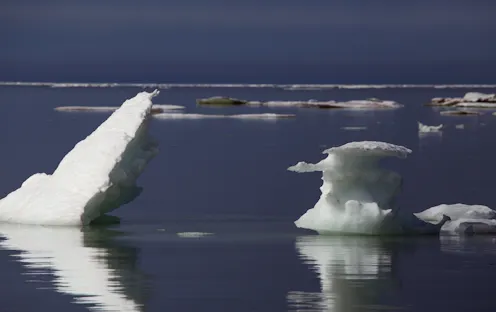
The Laptev Sea is one of the Arctic’s biggest nurseries of new sea ice in winter, but Siberia’s record summer heat may have halted production.
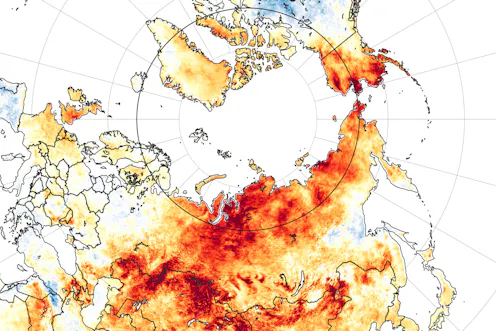
Les modèles prédisent depuis un certain temps qu’à chaque degré de réchauffement de la planète, l’Arctique connaîtra un doublement ou plus.
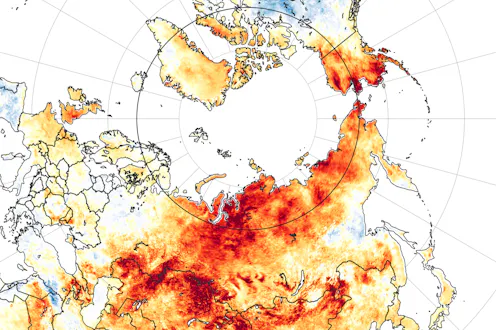
Models have predicted for some time that with every degree of global warming, the Arctic will see double or more.

Sea levels could rise by two metres by 2100, sparking a refugee crisis unlike anything the world has ever seen.
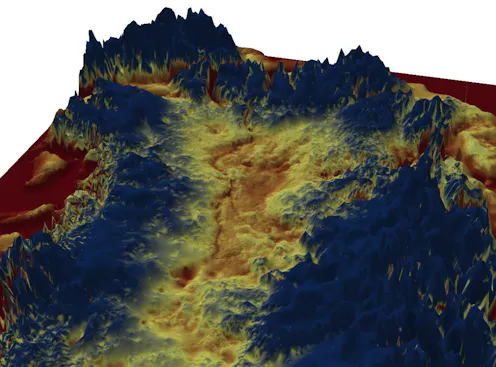
A previously unknown canyon has been discovered in Greenland, hidden beneath the ice. It is at least 750 kilometres long. To put that in perspective, imagine a ten kilometre wide gorge, up to 800 metres…
Contact Jonathan for
- General
- Media request
- Speaking request
- Consulting / Advising
- Research collaboration
- Research supervision
- Location: Bristol, UK
- Website
- X (formerly Twitter): @jlbamber
- Article Feed
- ORCID
- Joined
