
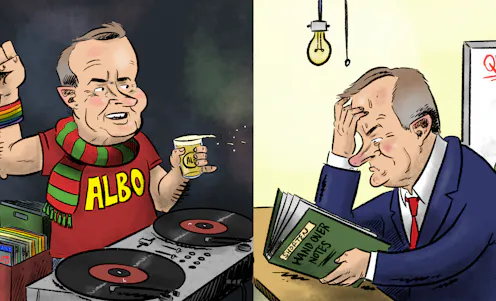
The new Labor leader is from the party’s left wing, which the government and some media will try to exploit. But Anthony Albanese’s way through this is with policies and leadership.
- Sir John Bunting Chair of Public Administration, Australian National University
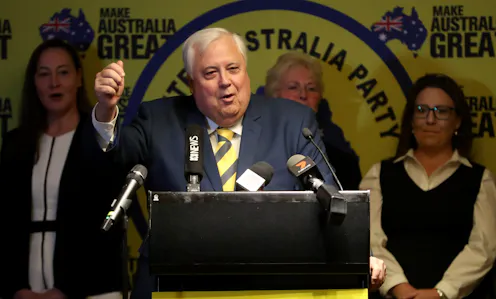
He’s spending big and may well win a spot in the Senate. But the big question is what the billionaire businessman intends to do if he returns to the Australian parliament.
History tells us governments do not always get what they wish for, and in fact often perverse outcomes flow from policy choices.
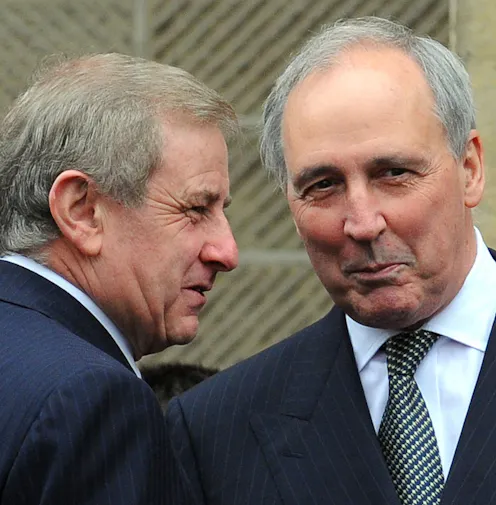
Cabinet papers released today by the National Archives show Working Nation began as a rational exercise but was soon overtaken by a desire to make the policy everything to everyone.

Under current government policy we are penalising the sector of the economy where there is the largest proportion of existing employment and the best prospects for future growth.
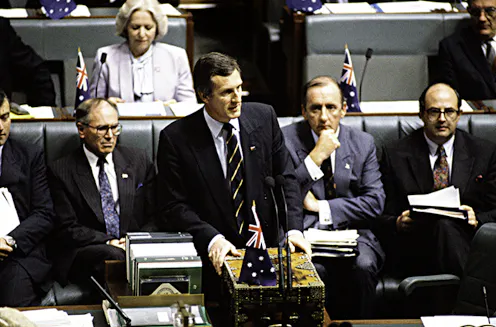
Blindsided by John Hewson’s policy platform, the Keating government scrambled to come up with solutions to the “recession we had to have”.
What’s in store for key policy areas, from health to education to infrastructure to asylum seekers, under a returned Coalition government?
For an election that is supposed to be based on who will manage the economy better, the debate has been disappointing.
Among Labor’s most popular refrains is the claim that the government has cut $80 billion from schools and hospitals. Is it true?
Is Prime Minister Malcolm Turnbull right to say that Labor plans to increase taxes by A$100 billion over ten years?
The impending election will mean a lot of spin and little substance from both sides of government in this year’s federal budget.

They’re the lines you sometimes hear before or after budgets from governments and commentators of all persuasions. The problem is they go against reality.
Solving the entrenched problems within our budgetary process is tricky - or is it?
Repeal day – a political stunt copied from David Cameron’s government in the UK – will go ahead in Australia this Wednesday. The very fact the government plans to repeal some 10,000 regulations suggests…
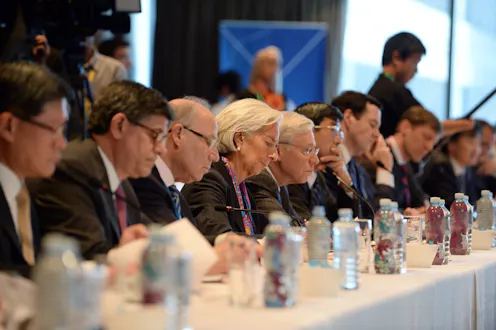
Australia should cut company taxes and increase innovation to avoid falling behind in the productivity race, according to a new report from the Organisation for Economic Co-operation and Development. The…
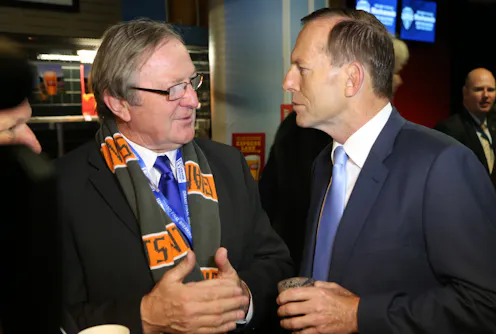
Federal politicians can rack up relatively large bills in going about their day-to-day duties. In the last six months of 2012, Julia Gillard had allowances totalling A$647,000 – that’s nearly three…
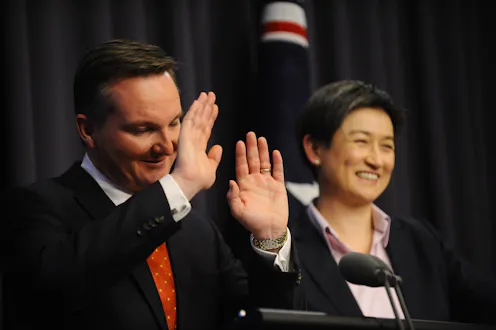
A slowing economy and drop in government revenue has led to an increased budget deficit, new taxes and some cuts to existing programs. Delivering the Rudd government’s long awaited economic statement…
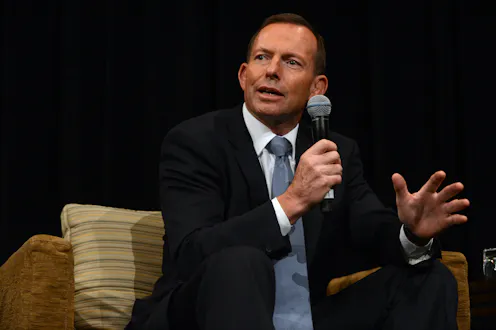
In last night’s budget reply, Tony Abbott crowed he will “put the house back in order” and that the “budget will be in better hands under a Coalition government than under Labor”. It was a very measured…
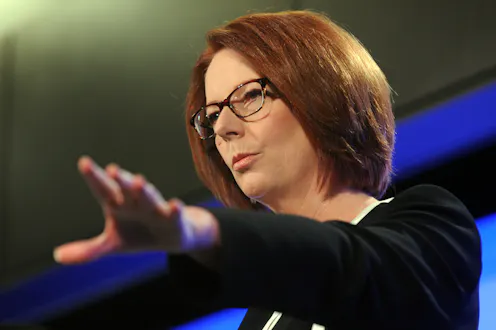
The business community was effectively sidelined at the last federal election, and they felt somewhat miffed about it. Business associations were caught flat-footed at the suddenness of Julia Gillard’s…
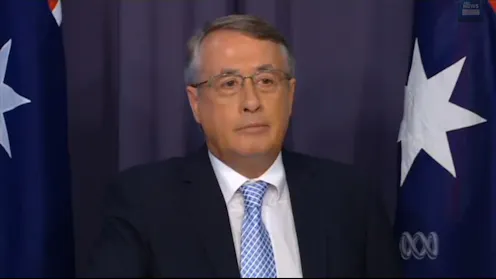
Treasurer Wayne Swan has acknowledged it’s unlikely the government will deliver the budget surplus it had been promising for next year, following the release of a disappointing monthly financial statement…
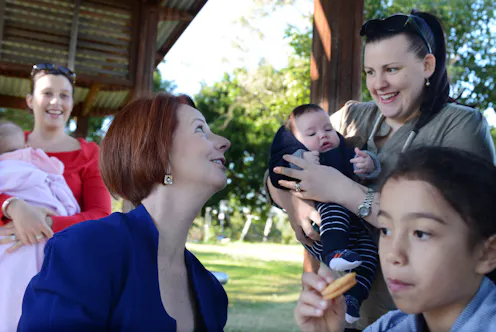
Each year the budget is like an annual health check on a patient with many complexities. In a black coat, not a white one, the august Treasurer reports the nation’s temperature, provides much-needed tonics…
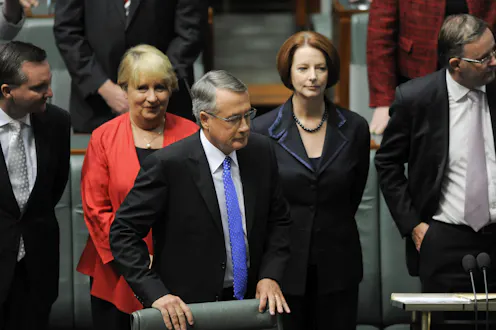
Labor has made a $5 billion pitch to true-believers with a $1.5 billion surplus, cash hand-outs and tax breaks for low- and middle-income earners in the federal budget. And the opinion-makers are on the…
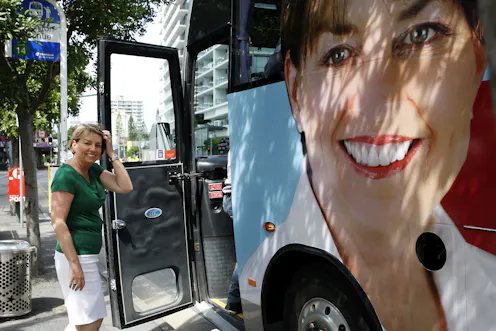
It’s long been said that Queensland is beautiful one day and perfect the next. But it has been a long time since Queensland politics reached these superlative heights. The state has been mired in controversies…
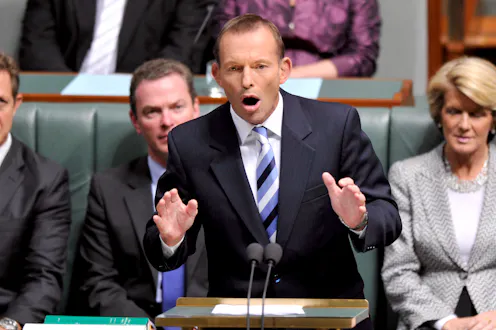
Tony Abbott has arguably outlined the most important public policy agenda for the next decade (no matter which side of politics forms government over that period). The major questions will now be: who…
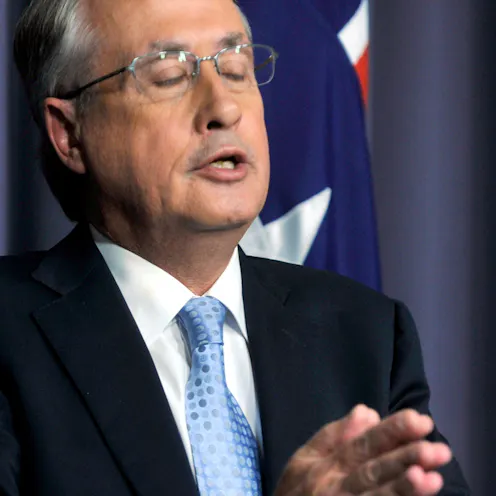
To understand the political uses of budget surpluses, we need to go back to the early 1980s when Australia and New Zealand governments self-imposed a fiscal straitjacket. They decided that running a surplus…
Contact John for
- General
- Media request
- Speaking request
- Consulting / Advising
- Research collaboration
- Research supervision
- Article Feed
- Joined
