
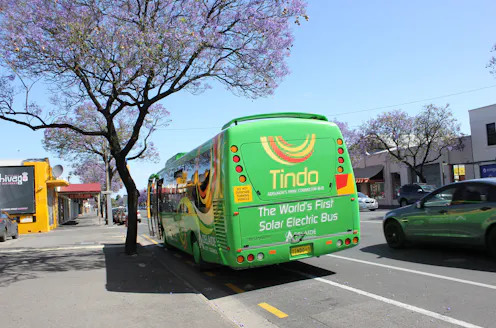
Transport is the one sector where Australia hasn’t reined in the growth in greenhouse gas emissions. Electric cars will cut emissions but still leave us with all the other problems of car use.
- Honorary Senior Fellow in Transport Planning, The University of Melbourne
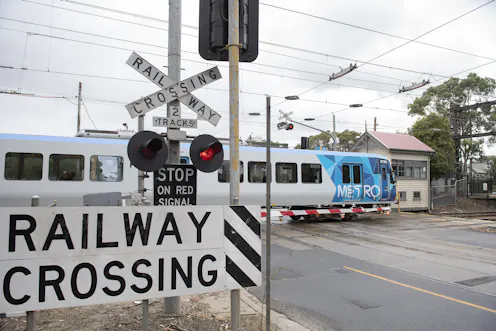
The pervasive impacts of infrastructure projects on public health are often overlooked. New research is teasing out the many ways Melbourne’s level-crossing removals will affect people’s health.
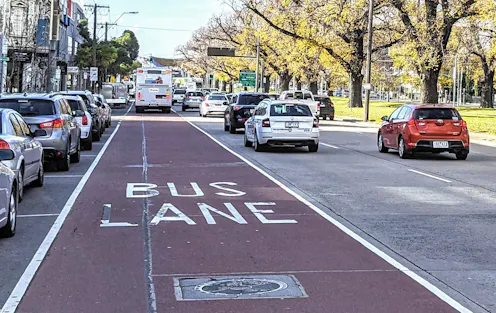
As COVID-19 restrictions are eased, cities face crippling congestion if people shun crowded public transport. More frequent and faster services, using innovations like pop-up bus lanes, can avoid this.
Unsolicited market proposals are not transparently assessed. Infrastructure should be built to serve the public interest, not shaped by its private backers, but the checks to ensure this are broken.
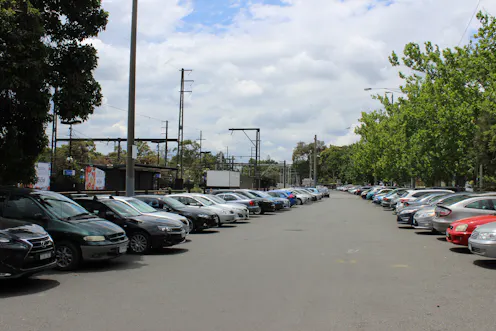
The Commuter Car Park Fund announced in the budget sounds big, but is likely to create only around 30,000 extra spaces – a marginal benefit for Australia’s 1.2 million daily public transport users.

Recent decisions to proceed with major road projects have not considered viable alternatives, despite this being a legal requirement.
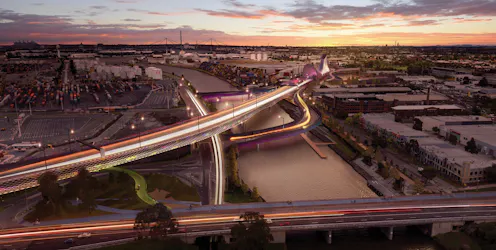
Melbourne’s proposed road project relies on assumptions that inflate estimates of the traffic the new link will carry – but other choices about the future of transport are open to us.
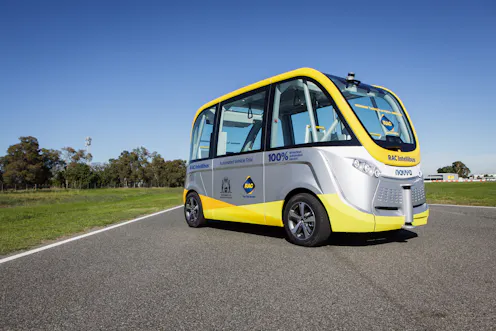
There’s every chance that, if mismanaged, driverless vehicle technologies will entrench the ills of car dependency.
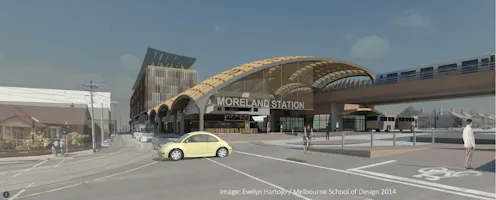
Elevated rail to remove level crossings, done properly, has many benefits – and the alternatives are more disruptive and costly. But announcing projects with little consultation is asking for trouble.
Contact John for
- General
- Media request
- Speaking request
- Consulting / Advising
- Research collaboration
- Location: University of Melbourne
- Article Feed
- ORCID
- Joined
