
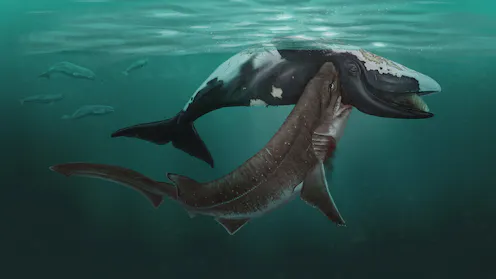
Could new populations of seals and porpoises attract the descendants of some of the large shark species that were thriving in this region 4-5 million years ago?
- Professor of Evolutionary Palaeoecology, Bournemouth University
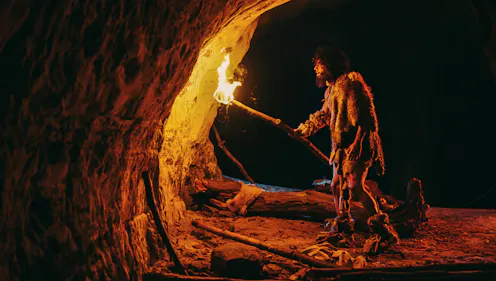
A maioria dos animais se refugiou em pequenas áreas mais quentes. Mas alguns, como os humanos, parecem ter ficado onde estavam. Isso é surpreendente, pois nossos ancestrais se originaram na África e pode parecer improvável que eles fossem resistentes a climas frios.
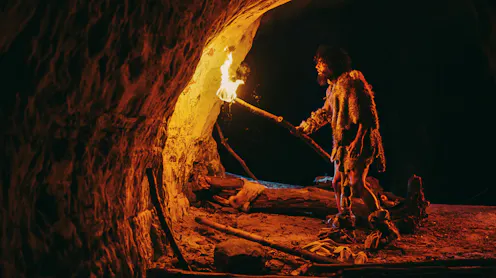
Cuando en la última glaciación la mayoría de los animales se desplazaron hacia enclaves más cálidos, los humanos permanecieron donde estaban. ¿Por qué?
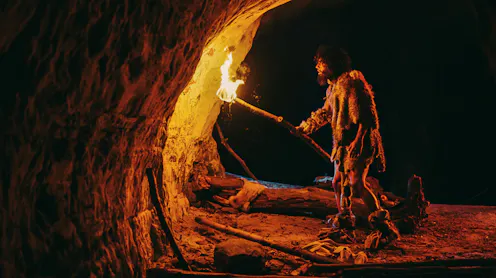
Most animals retreated to small, warmer enclaves. But some, like humans, seemed to have stayed where they were.

A war with Neanderthals makes a compelling narrative but the evidence is limited is best.
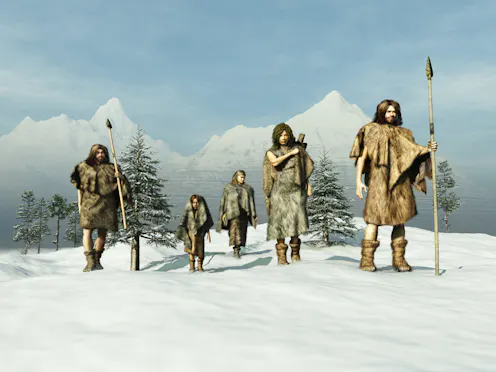
Environmental change can be a slow creep towards disaster for species. We studied how prehistoric humans coped to help make sense of the future using video game technology.
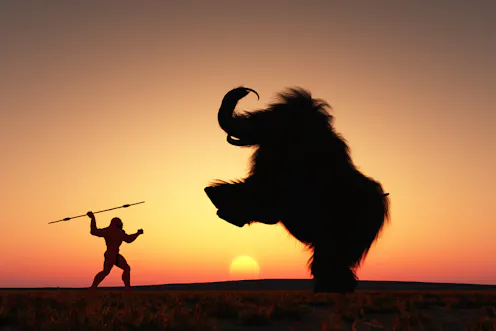
A new study suggests Neanderthals may have lived in woodlands rather than tundras, meaning they were most likely sprinters.
Contact John for
- General
- Media request
- Speaking request
- Consulting / Advising
- Research collaboration
- Research supervision
- Article Feed
- Joined
